

It’s Not Just About Kung Pao Chicken
The moment a waiter in New York or London places a plate of orange chicken on your table, the stereotype is set. But if you traveled to Chengdu today, you would find a bowl of Mapo Tofu so spicy it makes you sweat and drink milk tea instantly. If you went north to Shandong, you’d taste salty seafood soups that have nothing to do with sweet-and-sour pork.
China isn’t just one giant kitchen; it’s eight distinct culinary regions separated by geography, climate, and history. To truly understand China, you have to stop ordering the same dish everywhere. This guide cuts through the noise of Westernized Chinese restaurants and maps out what real regional food tastes like.
The Eight Great Traditions Mapped
Chinese cuisine is often summarized as “Eight Great Cuisines,” but a map reveals why they differ so drastically. It’s not just about taste; it’s about survival in different environments.
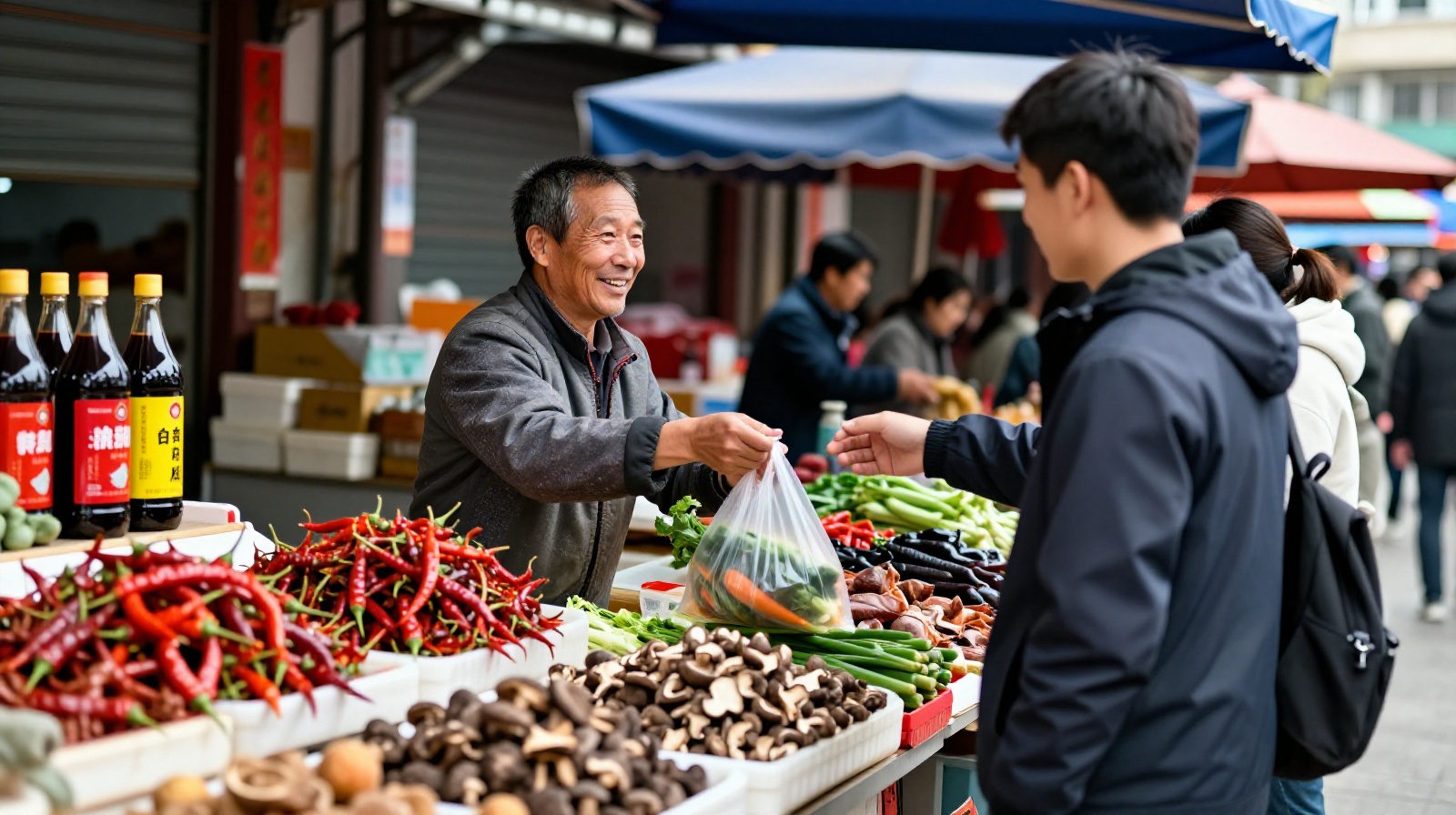
In the humid southwest, Sichuan and Hunan provinces use chili peppers to cut through dampness. In contrast, Shandong in the north relies on salty soy sauces and vinegar to preserve food for long winters. The coastal south of Guangdong (Canton) prioritizes fresh seafood and light broths because the humidity preserves freshness differently than the dry cold of the north.
Taste Profiles: What You Should Actually Order
Instead of guessing, here are the specific dishes you should seek out in each major region to understand the local flavor logic.
Sichuan & Chongqing: The Numbing Spice
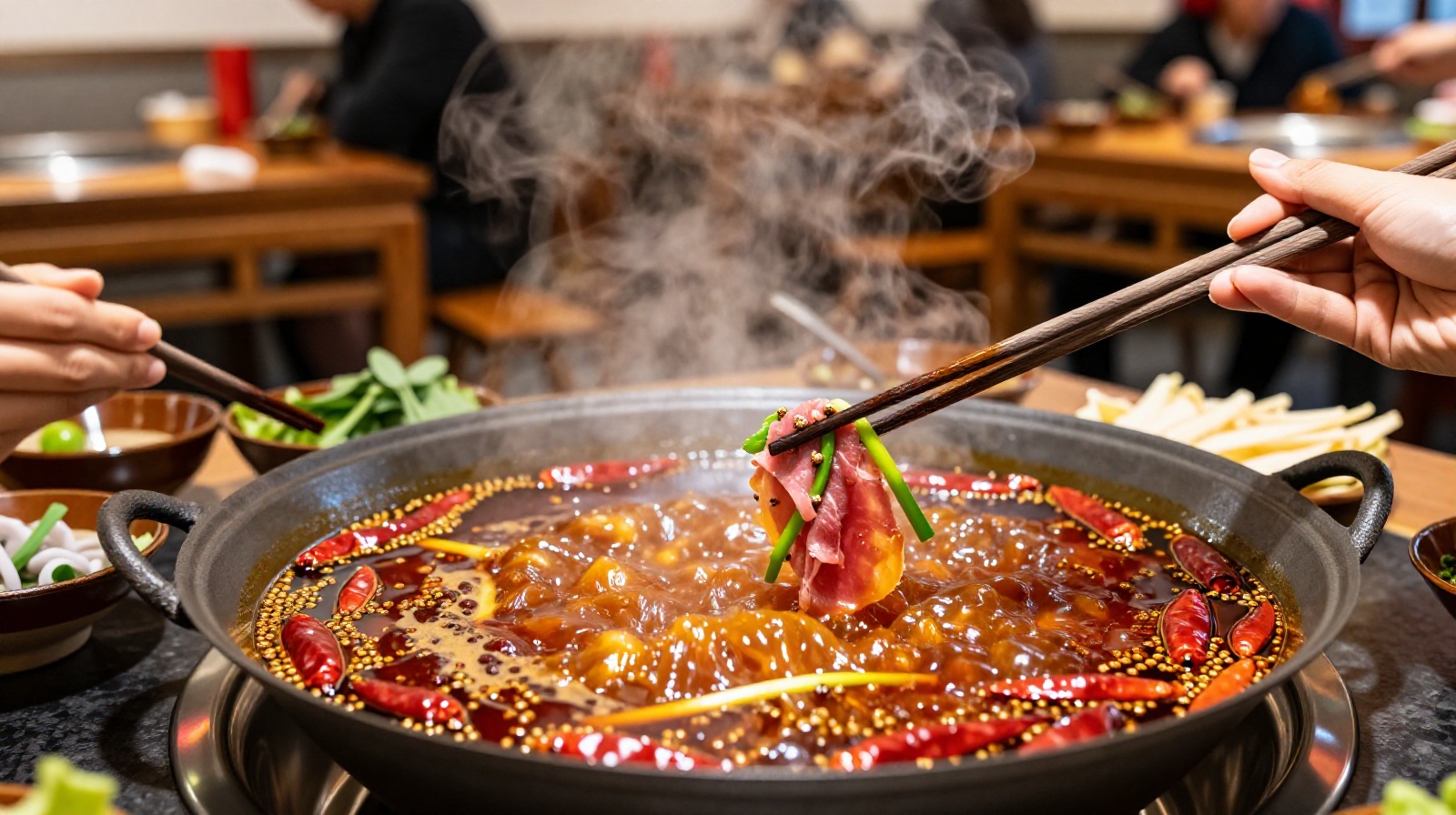
Forget “spicy” as just heat. Sichuan cuisine introduces a fourth dimension: mala, or numbing-spicy. This comes from Sichuan peppercorns, which tingle your tongue.
- Must-try: Mapo Tofu (silken tofu in chili bean sauce) and Hot Pot (a communal boiling pot where you cook raw ingredients yourself). It’s messy, loud, and incredibly social.
Canton (Guangdong): The Art of Freshness
In Guangzhou, chefs believe the best ingredient should speak for itself. Heavy spices are avoided to let the natural sweetness of seafood shine.
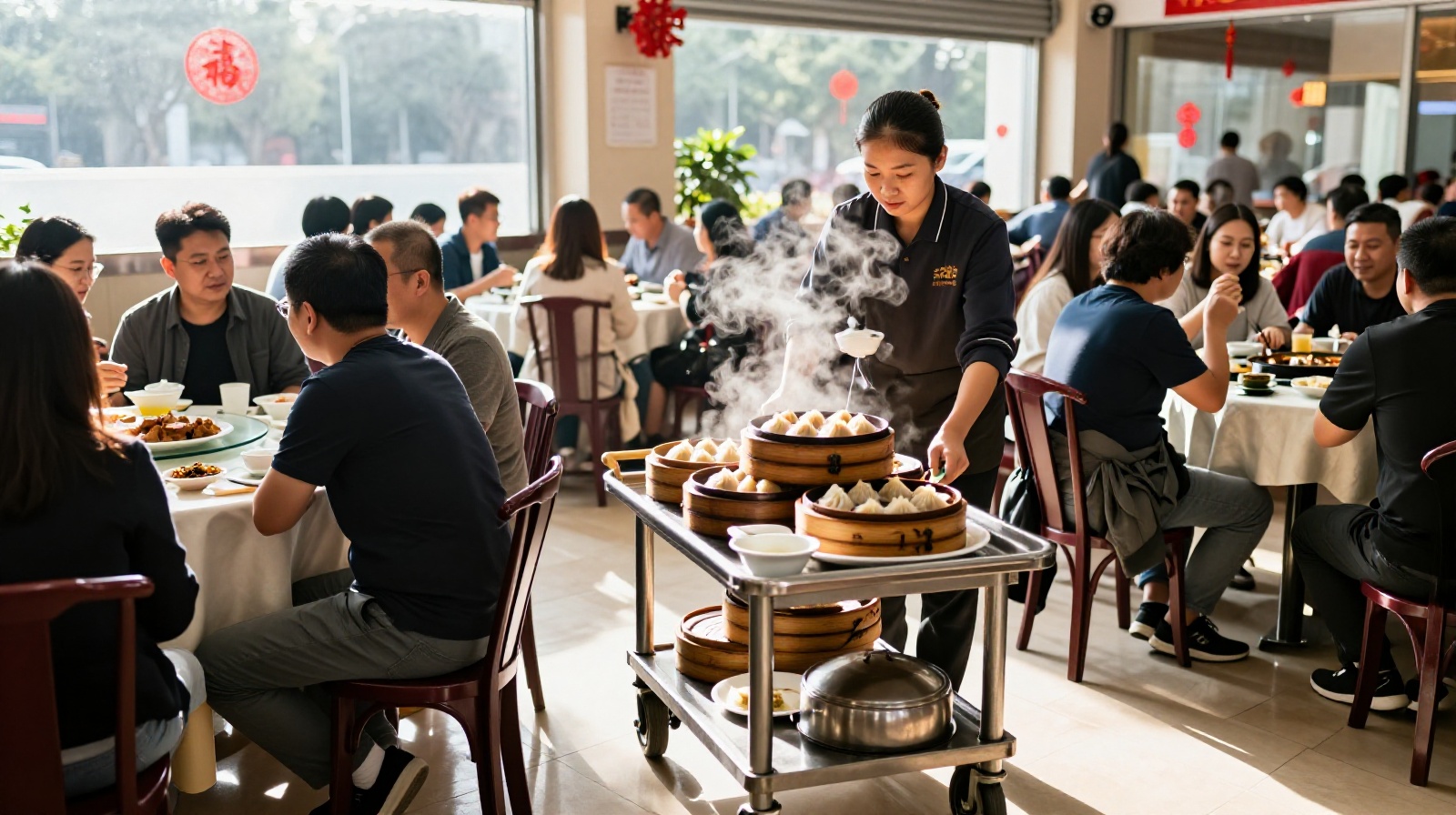
- Must-try: Dim Sum (small steamed dumplings served in bamboo baskets) and Roast Goose. The texture is key here—crispy skin, tender meat.
Jiangsu & Zhejiang: Sweet and Delicate
The Jiangnan region south of the Yangtze River is known for its lakes and canals. Dishes here are often slightly sweet, with a focus on texture and presentation.
- Must-try: Dongpo Pork (slow-braised pork belly) and West Lake Vinegar Fish. The sweetness isn’t cloying; it balances the savory broth perfectly.
Shandong: Salty & Savory
As the home of imperial cuisine, Shandong cooking is known for its heavy use of scallions, garlic, and vinegar. It’s a robust style that influenced Beijing’s restaurant culture significantly.
- Must-try: Sweet and Sour Carp (a whole fried fish with a sweet-sour glaze) and Braised Abalone.
The Secret Language of Ingredients
What makes these regional dishes different? It’s the logic behind the seasoning. If you look closely at how locals eat, patterns emerge.
Chili is not a universal currency in China. In Hunan, it’s pure heat; in Sichuan, it’s paired with numbing peppercorns; in Yunnan, it’s often used fresh and green alongside herbs. Sugar? In the south (like Shanghai), sugar is a primary flavor to balance acidity. In the north, salt is king.
Build Your Own Food Tour
If you are planning a trip to China, don’t just pick cities randomly. Build your itinerary around taste. Start in Chengdu for the spice and chaos of hot pot. Move north to Xi’an for wheat-based noodles like Biangbiang. Then head south to Guangzhou for morning tea.
This route takes you through the evolution of Chinese history—from the imperial courts of the north to the trade ports of the south. You’ll taste how geography shapes culture, one bite at a time.
Why This Matters
Understanding regional food is the fastest way to break down barriers with locals. When you ask for mala sauce instead of just “spicy,” or order Dim Sum correctly, you signal respect for their culture. It transforms a meal from mere fuel into a conversation about history, climate, and home.