

The Sound of a Friendly Neighborhood
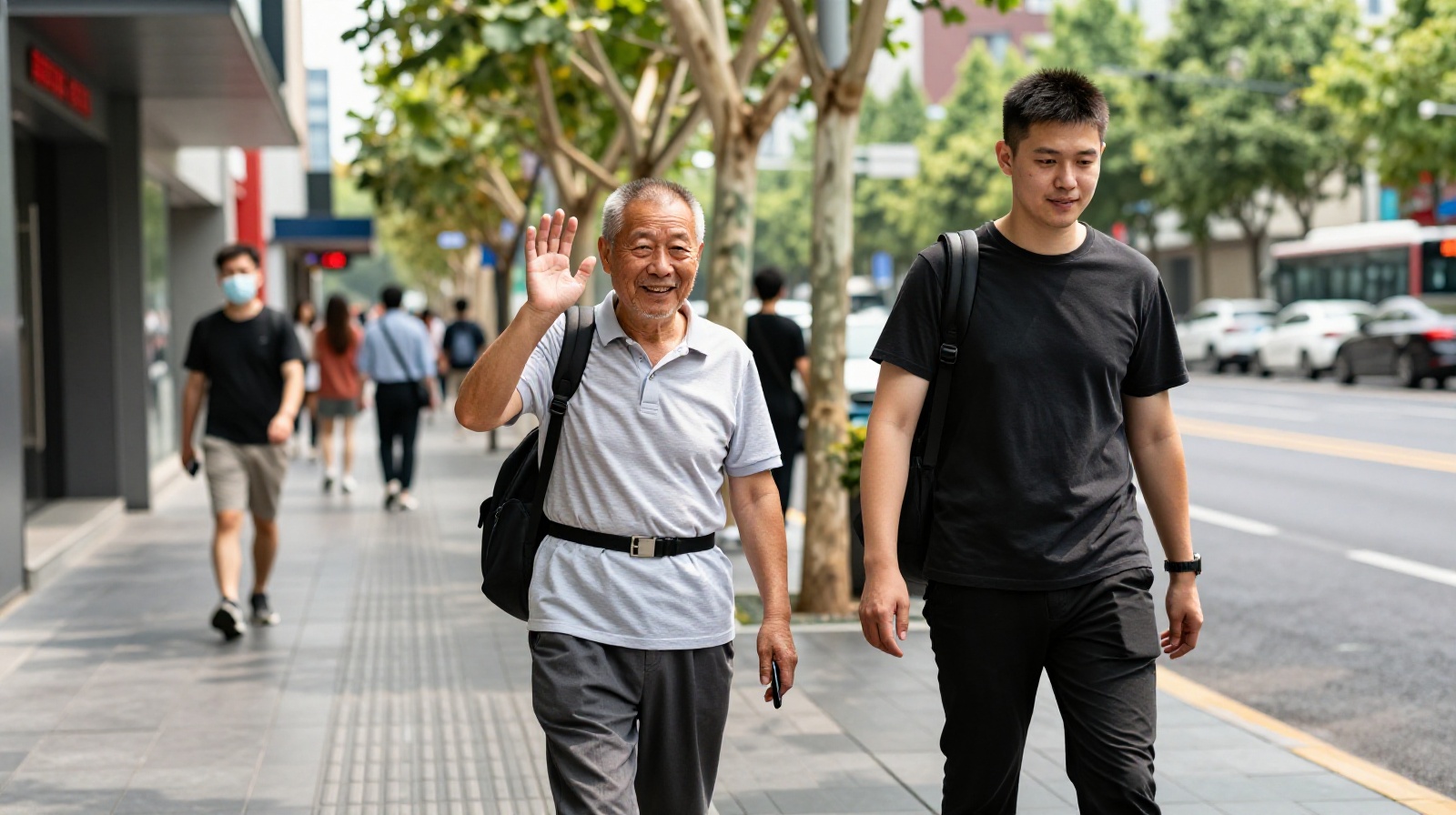
Imagine walking down a bustling street in Shanghai. You pass an elderly man sweeping his shop’s front steps. Without breaking stride, he looks up and asks, “Chi le ma?” (Have you eaten?). A moment later, at a subway station, a colleague rushing to a meeting nods and says the same thing.
For visitors from Europe or North America, this is often confusing. In English-speaking cultures, asking someone if they have already had a meal feels like an invasion of privacy or a literal question about their schedule. You might hesitate, wondering: “Do they want to invite me for lunch? Are they judging my eating habits?”
Here is the truth: They are not asking about your stomach. They are saying hello. In China, “Have you eaten?” is the most common social lubricant, a way of showing care that has been passed down for generations.
Why Food Comes First in a Greeting
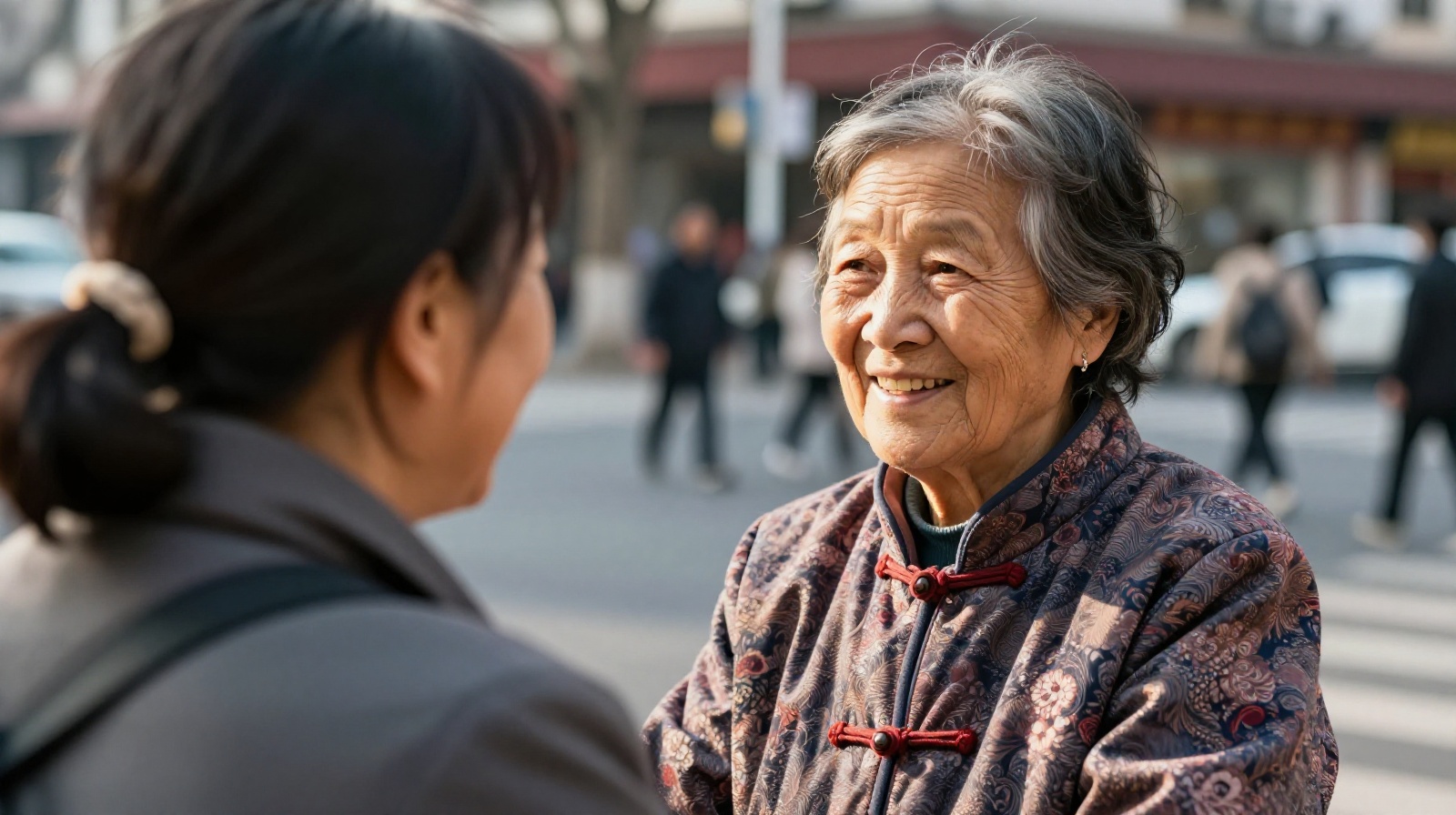
To understand this, you have to look at history. For centuries, China faced periods where food was scarce. Hunger was a real, daily threat for most families. Therefore, the greatest expression of care one could offer wasn’t “How is your job?” or “Is everything okay with your family?” It was asking if the other person had been fed.
This cultural DNA remains today, even in modern cities like Shenzhen where people have plenty to eat. The question has evolved from a literal check on survival into a symbol of warmth and concern. It translates roughly to: “I care about your well-being,” or simply, “Hello, I am glad to see you.”
Think of it like the British saying, “How’s the weather?” or the American “Good morning!” In those cultures, we talk about the sky or time. In China, we talk about food because that is where life begins.

The Trap of Literal Translation
The most common mistake foreigners make is treating the question as a literal inquiry and trying to answer it in detail. If someone asks you “Chi le ma?” and you stop to say, “Yes, I had dumplings at 11:30 AM with two friends,” the conversation stops dead.
It creates an awkward silence because the other person is not actually waiting for a menu review. They are just greeting you while passing by. If you answer too specifically or say, “No, I haven’t eaten yet,” they might feel compelled to invite you immediately, leading to social pressure if you aren’t hungry.
How to Respond Naturally
The key is brevity and reciprocity. You do not need to explain what you ate or where. The standard response is a quick confirmation followed by asking them back.
- The Standard Reply: “Chi le” (Eaten) or “An zai, chi le” (Just ate). Then immediately add, “Ni ne?” (And you?)
- If you haven’t eaten: You can say “Huan mei chi” (Not yet), but keep it brief. The other person will likely say, “Chi le ma?” again later or offer a light invitation.
- The Polite Variation: For elders or in more formal settings, you might add “Xie xie ni” (Thank you) to show appreciation for their concern.
This exchange takes less than three seconds. It acknowledges the other person’s kindness and keeps the flow of daily life moving smoothly.
Cross-Cultural Context: Why the Difference?
If you come from a culture where greetings focus on individual status or mood, China’s food-focused greeting might seem strange. But consider this: different societies prioritize different values in their daily interactions.
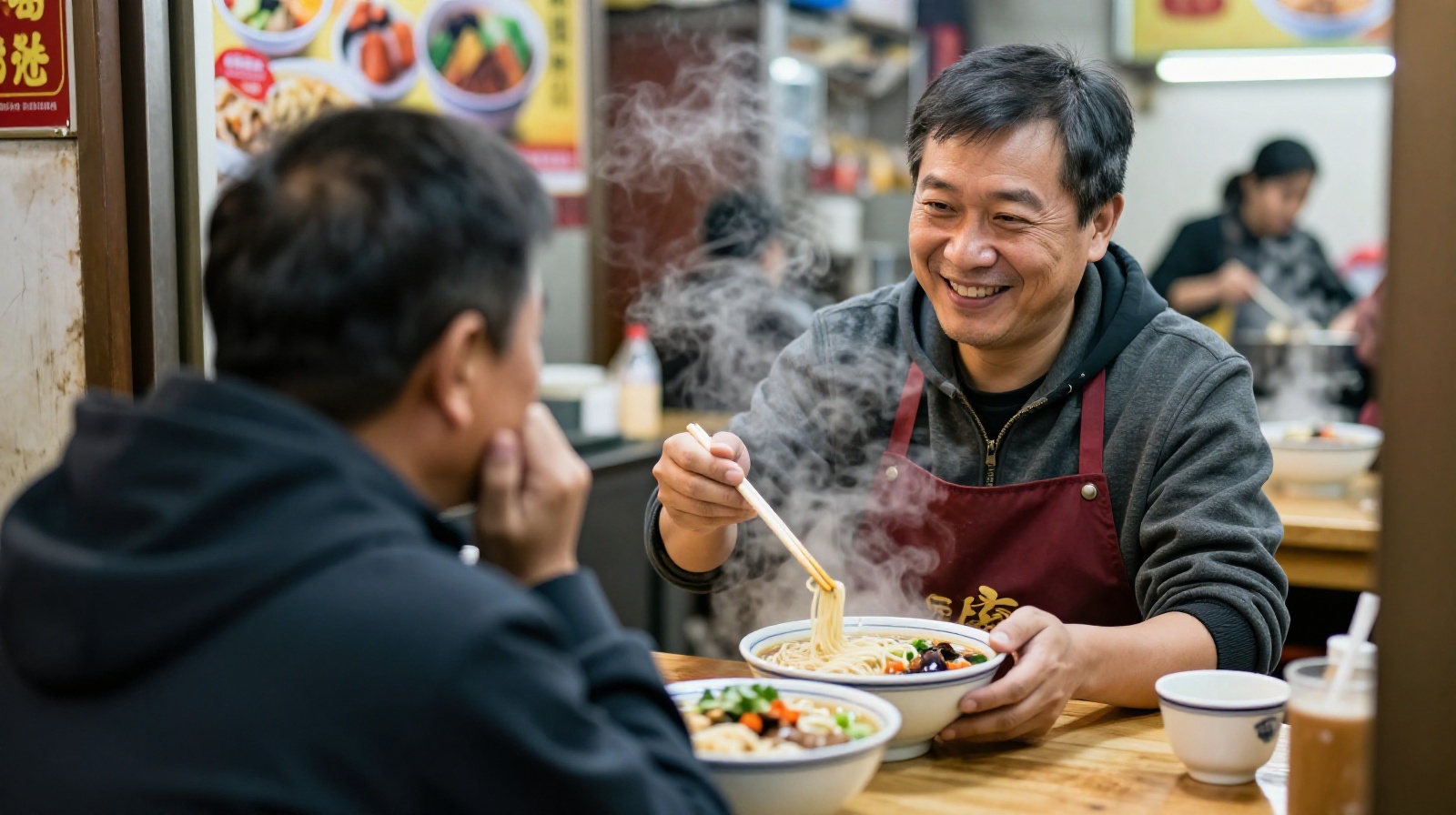
Western cultures often value autonomy. Asking “How are you?” expects a quick check-in on feelings or work, respecting personal space. Chinese culture traditionally values interdependence and community welfare. By asking about food, the speaker is implicitly saying, “I am part of your daily reality; I hope my community supports your basic needs.”
It is not a difference in politeness; it is a different language of care. Once you recognize that “Have you eaten?” is just a warm handshake disguised as a question about dinner, the confusion disappears.
Tips for Foreigners Visiting China
When traveling or living in China, don’t overthink these interactions. If you are walking down the street and someone asks if you’ve eaten:
- Smile immediately.
- Reply with “Chi le” (Eaten) or “Huan mei chi” (Not yet).
- Add “Ni ne?” (And you?) to show friendliness.
- Keep walking. There is no need to stop and chat unless they actually invite you in.
This simple phrase opens doors. It signals that you understand the local rhythm of life and respect the unspoken rule: food is life, and sharing a meal (or at least asking about one) is the ultimate sign of friendship.