

The First Meal: A Race Against the Clock
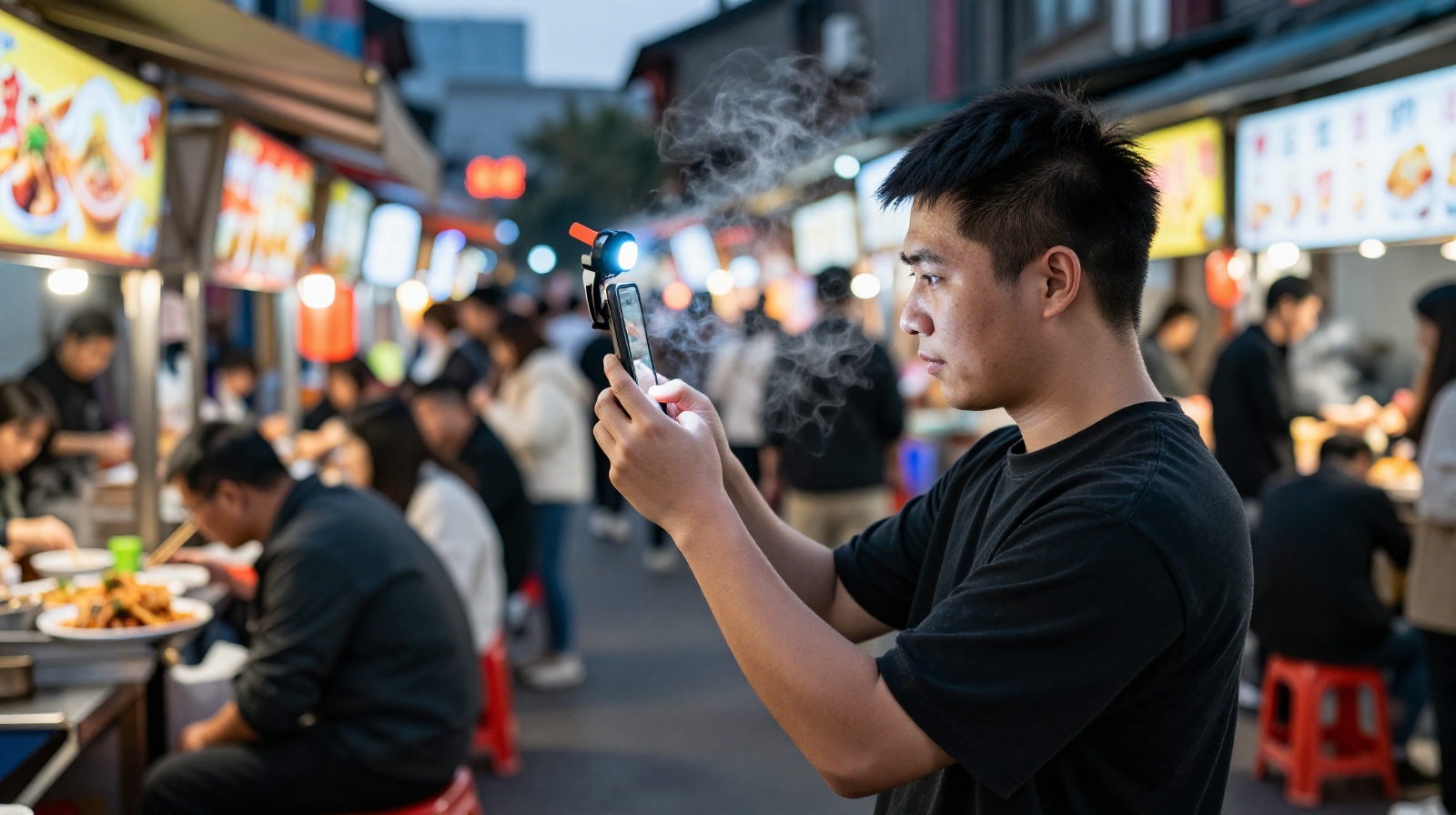
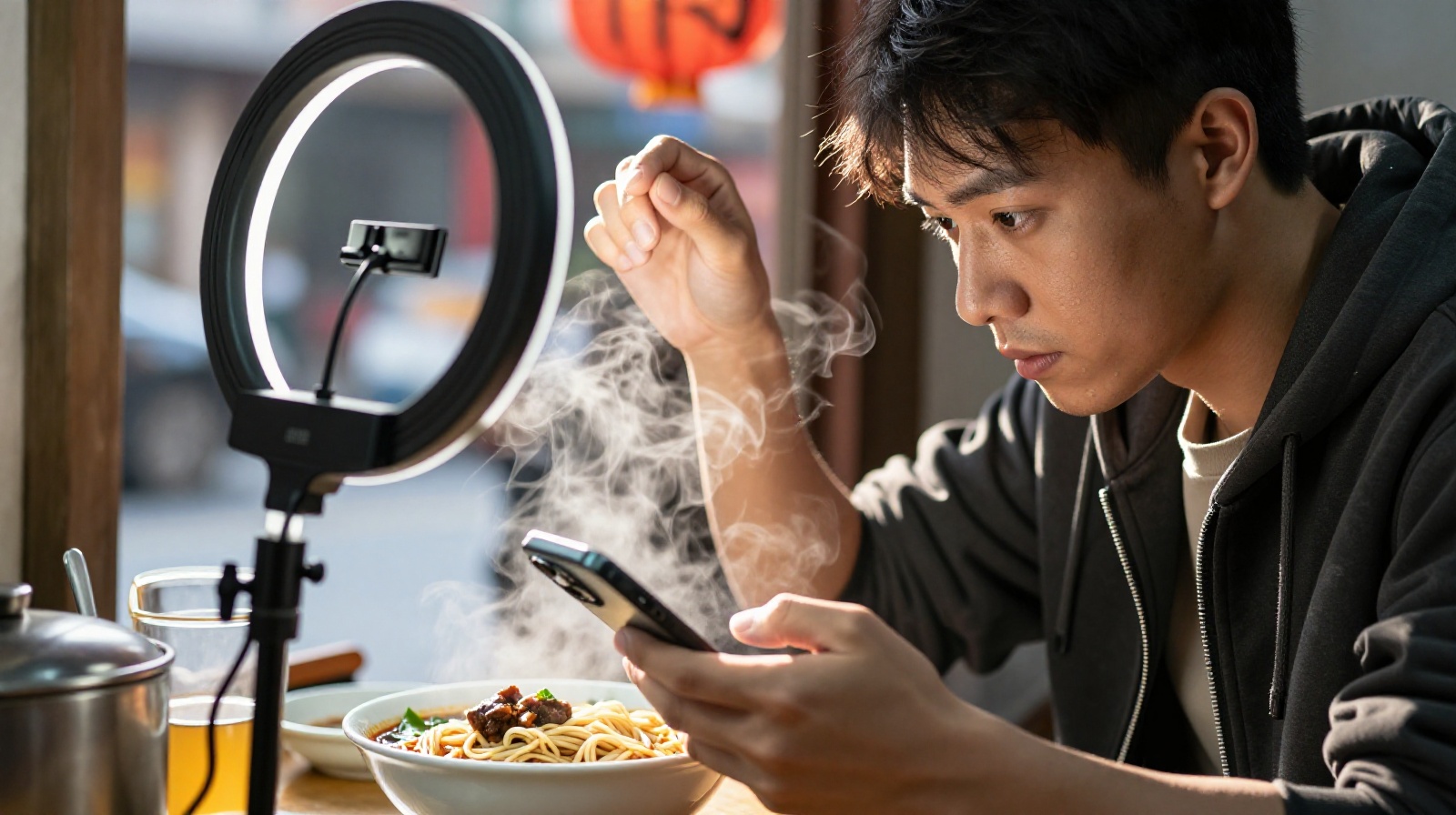
It is 7:30 AM in a small, steam-filled breakfast alley in Chengdu. The air smells of Sichuan peppercorns and fried dough. Li Wei adjusts his ring light, his expression focused rather than hungry. He isn’t here to eat for pleasure; he’s here to film ten meals today. “If I don’t start now,” he whispers, wiping condensation from the lens, “I won’t finish before sunset.” This is the reality of modern Chinese content creation: a high-stakes marathon where hunger is a tool, not a feeling.
Li represents a new generation of influencers who treat food as both art and data. In China’s digital ecosystem, attention is currency. To keep an audience, creators must post daily, often multiple times a day. This pressure has birthed a niche profession: the professional eater. But behind the viral clips lies a physically demanding routine that few outsiders see.
The Physical Toll of Constant Consumption
By noon, Li has already filmed three meals. The camera captures him slurping noodles with exaggerated enthusiasm, but in reality, he is counting calories and fighting nausea. “My stomach feels like a balloon,” he admits between takes. To maintain his image as an energetic foodie while consuming thousands of calories, many influencers rely on strict workout schedules or, more commonly, fasting days to compensate.
The industry standard for weight management in this niche is brutal. A recent study by a Beijing health institute noted that 40% of full-time food vloggers report digestive issues related to overeating. Some resort to induced vomiting after filming sessions, while others use appetite suppressants—a dangerous reality hidden behind the colorful filters of social media apps like Douyin (TikTok China) and Xiaohongshu.
When the Menu is Written by Brands
The third meal presents a dilemma. Li is at a trendy hotpot restaurant, but the pot in front of him contains only pre-approved ingredients: premium beef slices, rare mushrooms, and specific vegetables selected by a brand manager. “I can’t eat what I want,” he says, his smile fixed for the camera. “The deal dictates the menu.” This is the commercial reality of the Chinese influencer economy. With over 30 million content creators competing for visibility, brand deals are the primary income source.
Li explains that a single video about a specific restaurant can be worth hundreds or even thousands of dollars, but it comes with strict guidelines. “If I complain about the service or the price,” he notes, “the brand pulls the contract.” The line between genuine review and advertisement has blurred. Audiences are increasingly skeptical, searching for hidden cues that reveal when a video is sponsored.
The Saturation Game: Speed Over Flavor
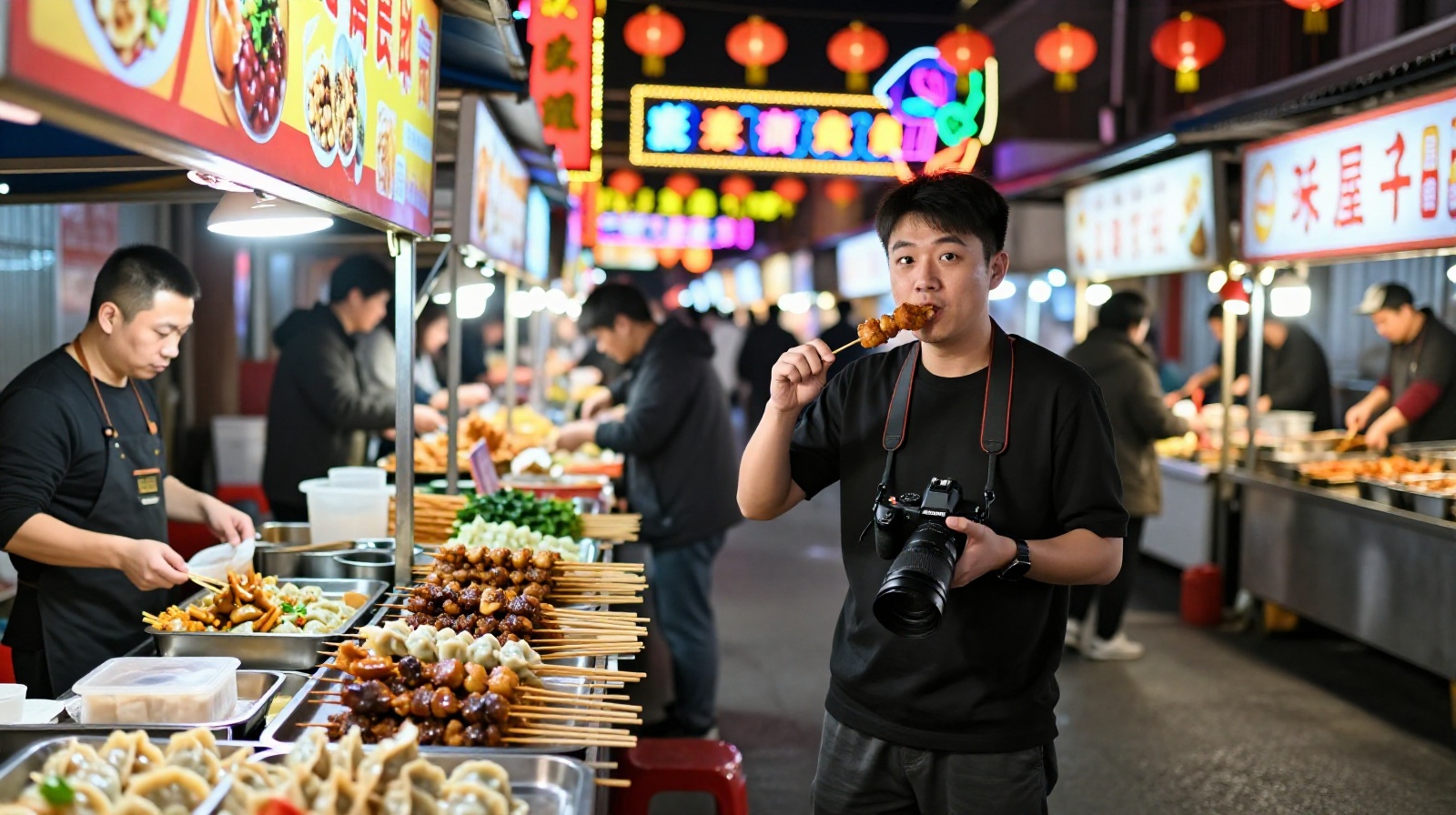
By late afternoon, Li is filming in a chaotic night market. Thousands of small vendors sell skewers, dumplings, and spicy tofu. The competition here is fierce. To stand out, Li has to be faster than his peers, editing the footage while walking to the next stall. “Speed is everything,” he says, snapping photos with one hand and eating with the other. “If I don’t post within an hour of visiting a place, my data drops.”
This rush for speed has changed how food is experienced in China. Restaurants now design dishes specifically for cameras—vibrant colors, dramatic plating, and steam that lasts long enough for a 15-second clip. The flavor often takes a backseat to the visual impact. It’s a strange paradox: people are eating more than ever, yet the act of dining has become a performance.
The Crisis of Authenticity
As evening falls, Li finishes his tenth meal at a modest street stall. The camera turns off. The smile vanishes. “I’m exhausted,” he says, rubbing his temples. “Sometimes I wonder if anyone really cares about the food anymore.” This is the authenticity crisis facing Chinese food bloggers. As viewers become more savvy, they demand genuine experiences rather than staged scenes.
Some creators are responding by slowing down. A new trend of “slow food” vlogging is emerging, focusing on the story behind the dish, the chef’s journey, and the local culture, rather than just the consumption. It’s a shift back to storytelling, but it requires more time and less commercial pressure.
More Than Just Eating
Li Wei’s day ends at 10 PM. He is home, finally able to sleep without thinking about the next shoot. His story reflects a microcosm of China’s digital economy: fast-paced, highly competitive, and driven by data. For every viral success, there are countless hours of unseen labor.
Yet, despite the physical toll and commercial pressures, Li remains passionate. “Food is how people connect,” he says. “Even if I eat 10 meals a day for the camera, I still believe in the stories behind them.” In a world where content is king, Li’s struggle reminds us that even in the most digital of industries, human connection and genuine experience remain the ultimate currency.