

More Than a Ritual: A Scene in Xining
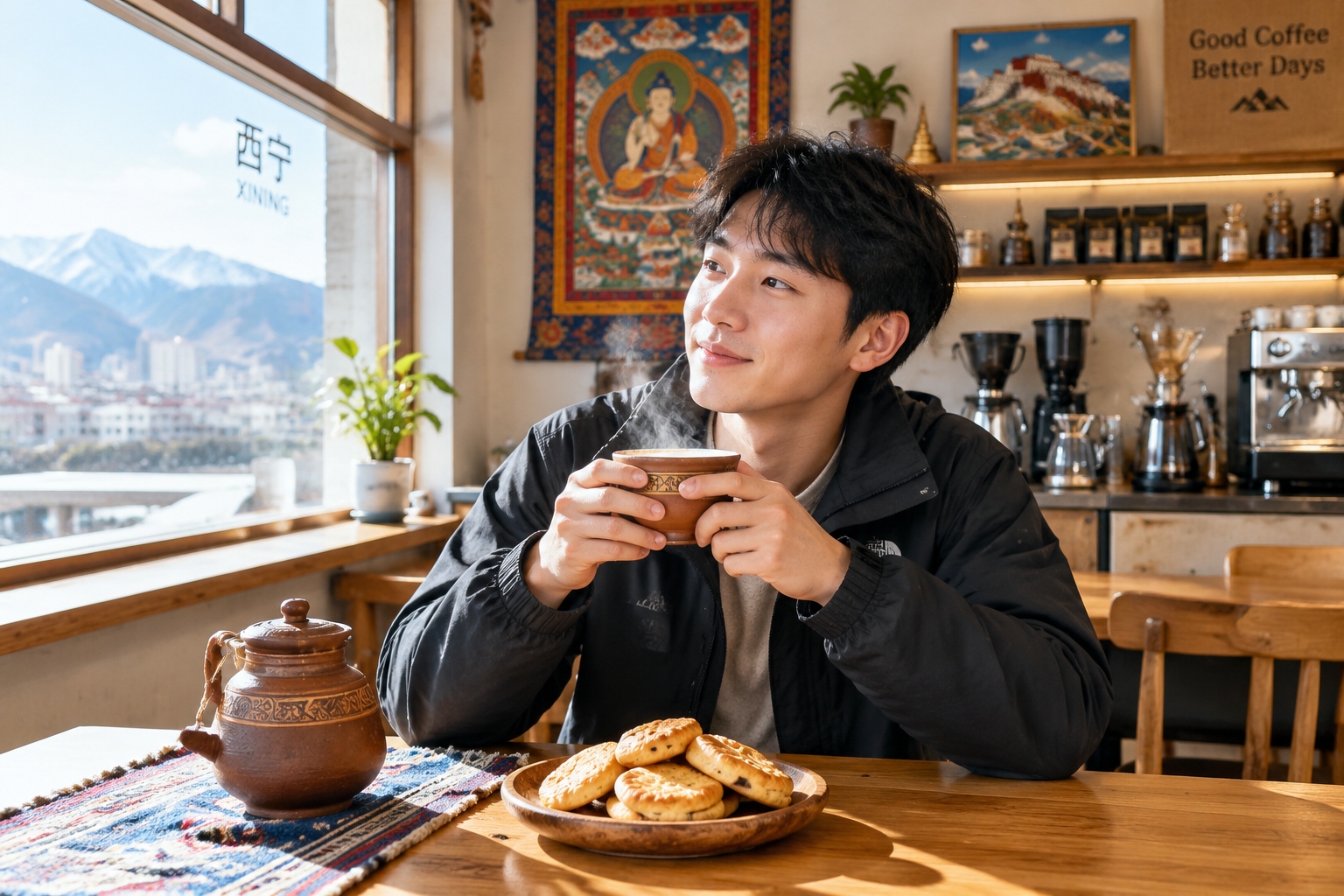
It is 3 PM on a Tuesday. Inside a modern cafe in Xining, the capital of Qinghai province, the air smells less of roasted coffee beans and more of salty, nutty warmth. Li Wei, a 28-year-old graphic designer, sits by the window. In front of him isn’t an espresso or a latte, but a steaming clay pot of butter tea and a plate of golden-highland barley biscuits.
This is not a tourist photo op. This is daily life for millions in western China. While outsiders often imagine Tibet and Qinghai as places frozen in time, where tradition exists only in museums, the reality here is dynamic. The afternoon tea ritual has evolved from a survival necessity on the nomadic grasslands into a flexible social hub for urban residents.
From Survival to Social Lubricant
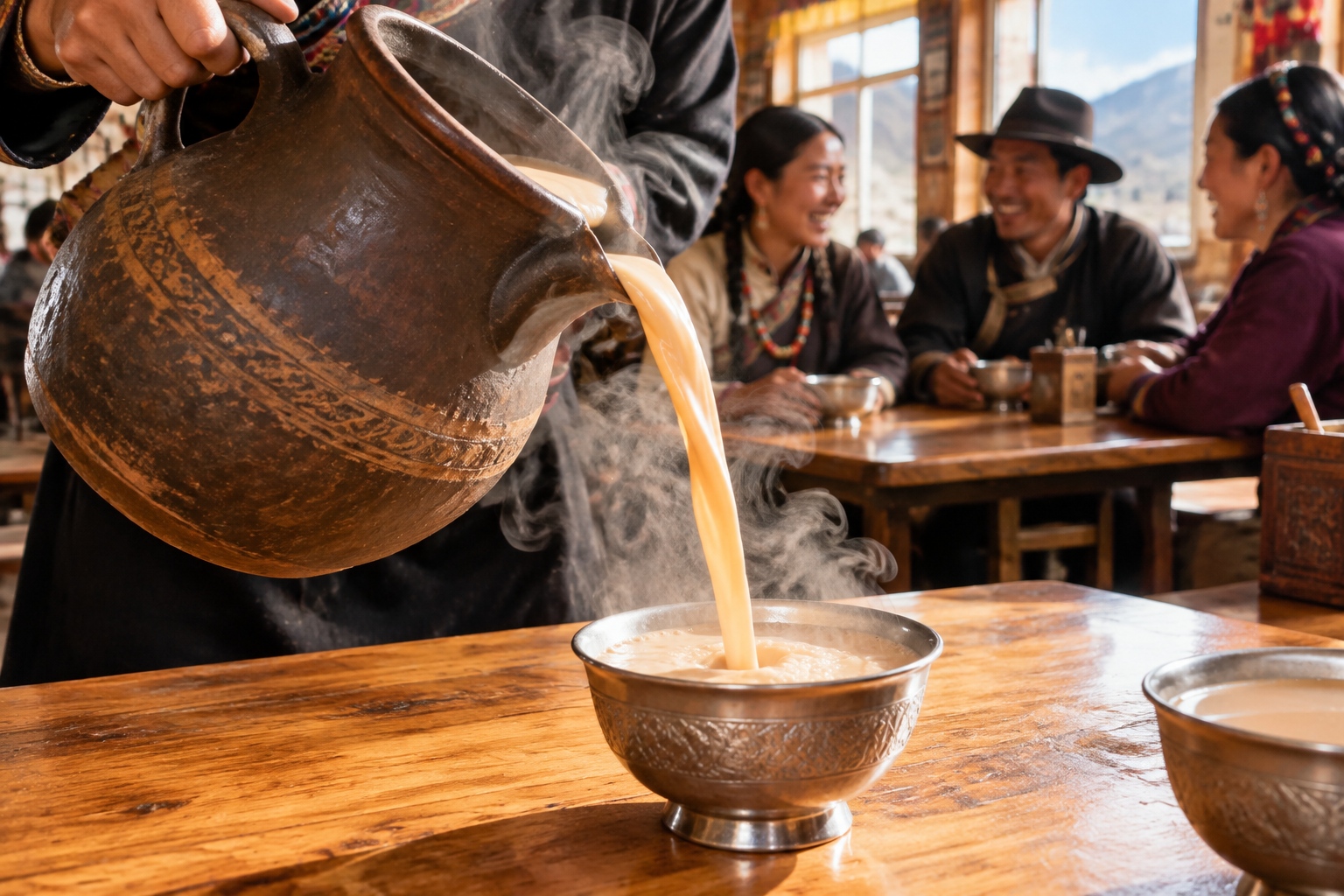
To understand this cup of tea, you must first look at its history. For centuries, butter tea was not just a drink; it was fuel. In the high-altitude Qinghai-Tibet Plateau, where oxygen is thin and temperatures drop sharply, hot water alone wasn’t enough. Adding yak butter and salt provided essential calories and warmth.
Today, Li Wei doesn’t need those calories to survive. He lives in a heated apartment with central heating. Yet, he still visits the tea house three times a week. Why? Because the cup has changed function.
In the morning, a quick sip is for energy. But in the afternoon, it is social currency. In many Chinese cities, coffee shops are where people work alone or close deals silently. In Qinghai’s tea houses, the atmosphere is louder and more communal. The thick clay pots sit in the center of tables, passed around like a communal bowl.
The Biscuit That Bridges Generations
While the tea provides the liquid connection, the highland barley biscuits (naqian) provide the solid ground for conversation. These aren’t the flaky, buttery pastries you find in Paris or New York. They are dense, slightly chewy, and often topped with sesame seeds or sugar.
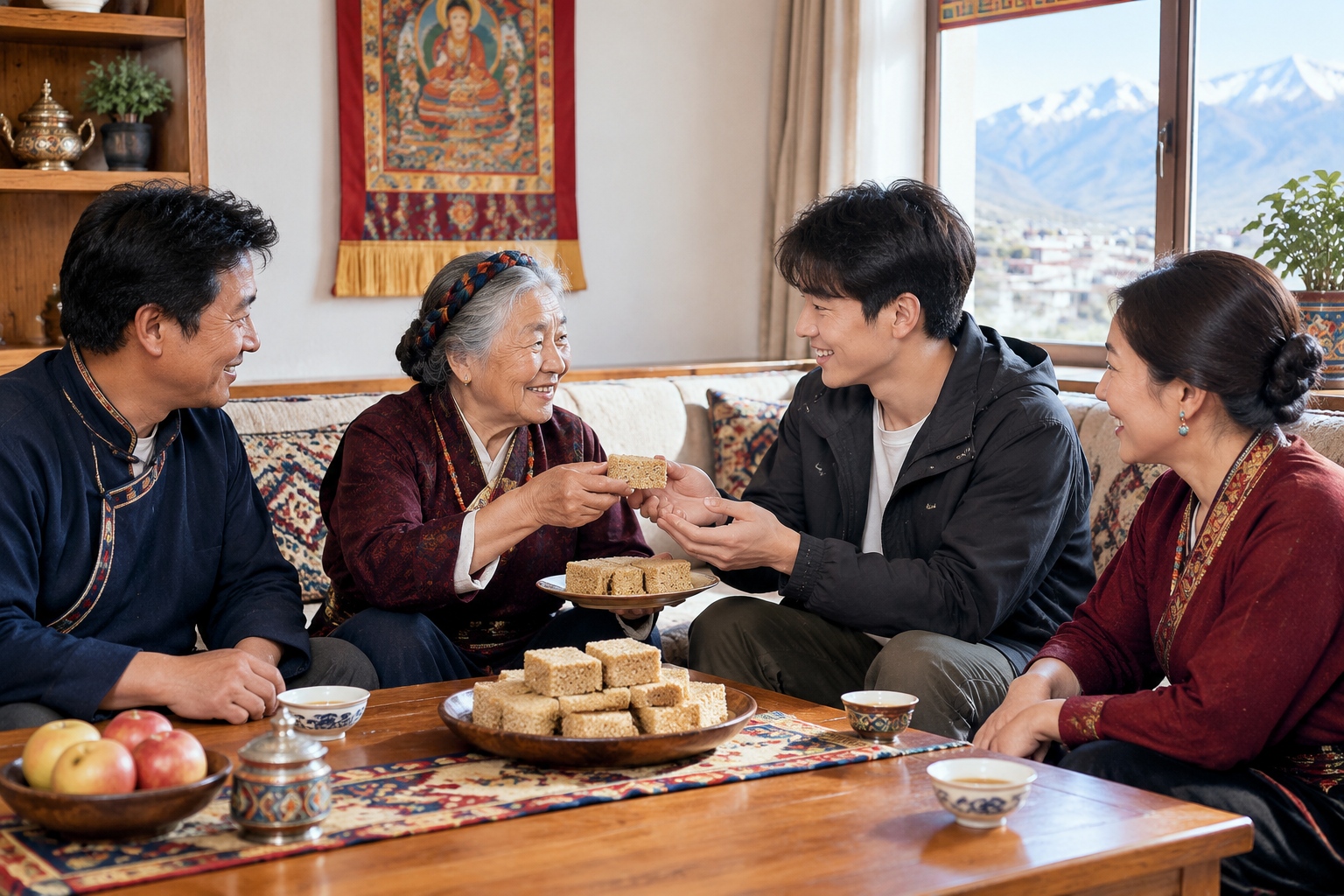
For Li Wei’s grandmother, who lives upstairs, these biscuits represent stability. She remembers grinding barley by hand when she was a girl. Today, her grandson buys them from a machine-made bakery in the mall next door. The taste is almost identical, but the process has shifted from farm to factory.
This blending of old and new is key to understanding modern Qinghai culture. It isn’t about rejecting tradition; it’s about adapting it. When Li Wei brings his grandmother these biscuits, they don’t just talk about family news. They discuss stock prices, traffic updates, or the new subway line opening nearby. The biscuit remains the same, but the topics have moved into the 21st century.
A Hybrid Culture in Public Spaces
You might wonder: Is there no Starbucks here? Of course, there are coffee chains. But you will rarely see them emptying out the local tea culture. Instead, a unique fusion has emerged.
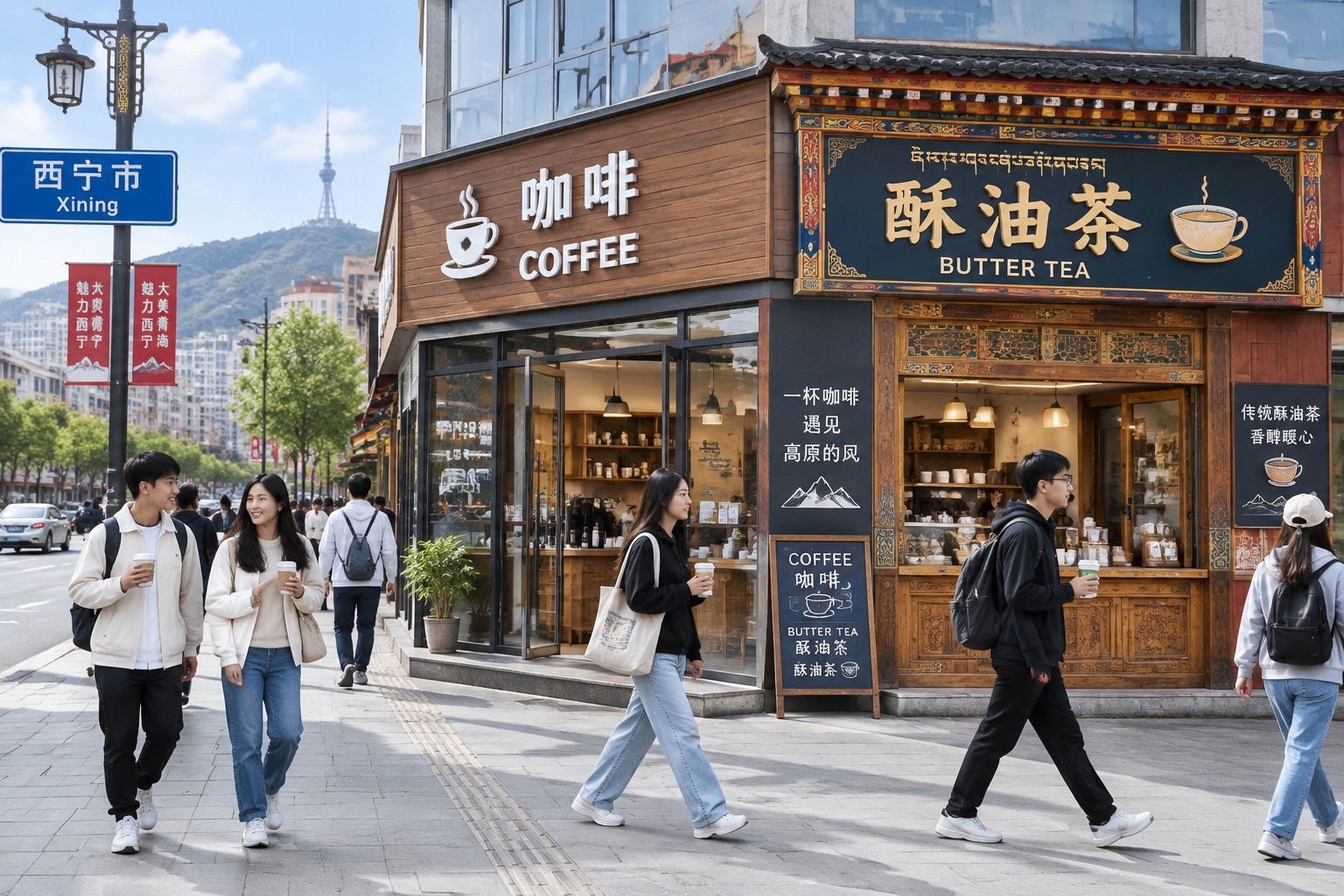
Walk into a busy street in Xining today. You will find cafes selling both American-style lattes and traditional butter tea. Some places even serve “butter tea lattes,” mixing yak butter with espresso—a bold experiment that sounds strange but is surprisingly popular among young people seeking something new yet familiar.
This isn’t just about taste; it’s about identity. Young Qinghaiis are proud of their heritage, but they also want to participate in the global economy. The tea house becomes a neutral ground where these two worlds meet. A business meeting might start with a handshake and a cup of coffee, then move to a discussion over butter tea as the conversation deepens.
What This Tells Us About Modern China
The afternoon tea scene in Qinghai challenges the stereotype that modernization means Westernization. It shows that Chinese societies can adopt global technologies and lifestyles while retaining their unique cultural core.
For Li Wei, the butter tea is a reminder of where he comes from. For his colleagues from Shanghai or Beijing, it’s an invitation to understand a different pace of life—one that values connection over efficiency. In a world obsessed with speed, the act of sitting down for a slow, salty cup of tea in Xining feels like a gentle rebellion.
It is not about the past. It is about how people today choose to live. The butter tea pot, filled with yak fat and salt, continues to simmer, just as it has for centuries, but now it sits on tables made of glass and steel, surrounded by smartphones and city lights.
Start the discussion at forum.chinacomes.com