
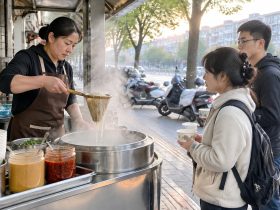
A day in Wuhan begins at a steaming noodle stall, crosses the Yangtze on a commuter ferry, and ends on the riverbank where the city exhales. ...
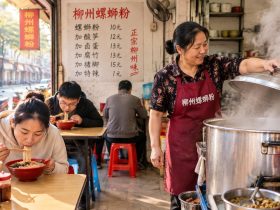
In Liuzhou, the day begins with a bubbling pot of sour bamboo shoots and ends with e-bikes humming along the river. A street-level look at how ...
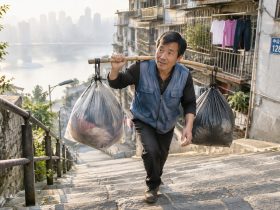
In Chongqing, daily life is a vertical climb. Follow the city's iconic porters up stone staircases, descend into a converted air-raid shelter for hotpot, and discover ...
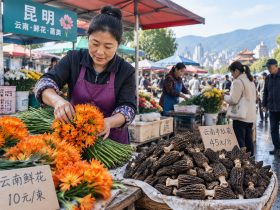
From the wild mushrooms and mountain herbs of Kunming's wet markets to the quiet courtyards of Bai villages by Erhai Lake, Yunnan's everyday life is a ...
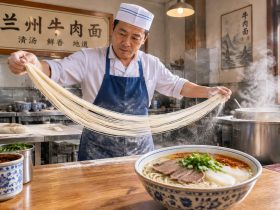
In Lanzhou, a bowl of beef noodles is more than breakfast—it's a daily ritual tied to the Yellow River. From dawn kitchens to night markets, the ...

What does a $3 million apartment in Shenzhen's Nanshan district actually feel like? I walked past the facial recognition gates, rode the silent elevator, and found ...
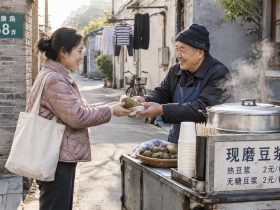
From sticky rice rolls at dawn to QR-code payments at the wet market, a walk through Shanghai's neighborhoods reveals how old alley life and new coffee ...

At 6 a.m. in Harbin, the morning market smells of smoked red sausage and frozen persimmons. Behind the ice sculptures, ordinary workers and street vendors keep ...
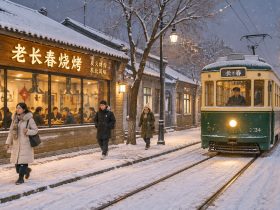
On a minus-20-degree night in Changchun, the city's pulse beats inside a smoky barbecue joint and along the tracks of its old tram line. A street-level ...
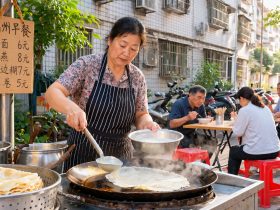
In Fuzhou, Quanzhou and Xiamen, breakfast is a fifteen-minute ritual that turns a sidewalk into a neighborhood living room: five-yuan bowls, shared tables, and the same ...