


The Morning Routine at the Liu Family Home
It is 8:15 AM in a third-tier city in Anhui province. The smell of steamed buns and soy milk fills the small kitchen. Twenty-four-year-old Li Wei puts down his laptop, not to attend a Zoom meeting or draft code, but to help his mother peel garlic for lunch. He isn’t unemployed in the traditional sense; he calls himself a ‘full-time child.’ For the past six months, he has been living at home, managing household chores, accompanying his parents on walks, and cooking three meals a day. In return, his parents transfer him 3,000 yuan (about $420) monthly—a sum that covers his personal expenses.
Li is not alone. Across China, especially in smaller cities where job opportunities have shrunk, a growing number of graduates are choosing to stay home. They call themselves ‘full-time children’ (全职儿女), a term that blends the traditional Confucian ideal of filial piety with the harsh reality of today’s job market.

More Than Just ‘Staying at Home’
The concept sounds simple, but the dynamics are complex. Unlike previous generations where staying home meant waiting for a permanent job offer or simply being idle, these young people have a clear social contract with their parents. They trade domestic labor and emotional companionship for financial support.
In many cases, this is a strategic pause rather than a permanent retreat. ‘I need to take care of my father’s diabetes while he recovers from surgery,’ explains Li Wei. ‘If I go back to work now, who will drive him to the hospital? If I can’t find a job that pays well or offers stability, why not use this time to be useful at home?’
This arrangement is often framed as a new form of filial piety. In Chinese culture, caring for parents is a sacred duty. However, with high youth unemployment rates hovering around 15-20% (depending on the data source and city tier), many young people feel they have no other choice but to pause their careers.

The Economics of Family Support
For families like the Lius, this is a pragmatic solution. Parents often see it as an investment: ‘He will work harder later if he takes care of us now.’ They view the money they give him not as charity, but as payment for services rendered.
The financial numbers add up. In tier-3 and tier-4 cities, entry-level salaries are often low—sometimes barely covering rent in a shared apartment. For parents earning pensions or savings, paying their child 3,000 yuan is cheaper than hiring a full-time caregiver or paying for expensive nursing services.
But the psychological weight is heavy. ‘I feel guilty sometimes,’ admits Li Wei. ‘My friends are all traveling to big cities, buying cars, or getting engaged. I’m here peeling garlic.’ The fear of falling behind peers is real. Yet, the pressure to find a ‘good’ job in a saturated market is often paralyzing.

A Cultural Shift? Or Economic Necessity?
Is this a new cultural phenomenon or just an economic reaction? Sociologists argue it’s a mix. The traditional expectation that children must ‘make their mark’ and move out is clashing with the reality of a tightening job market.
In the past, moving to a big city was the only path to success. Today, many young people are re-evaluating this. They see the high cost of living in Beijing or Shanghai as unsustainable. Staying home offers stability, even if it comes with social stigma.
There is also a shift in family dynamics. Parents are aging faster than ever, and the ‘4-2-1’ family structure (four grandparents, two parents, one child) means children are often the sole caregivers. The ‘full-time child’ arrangement allows them to fulfill this role without the stress of commuting or long hours.
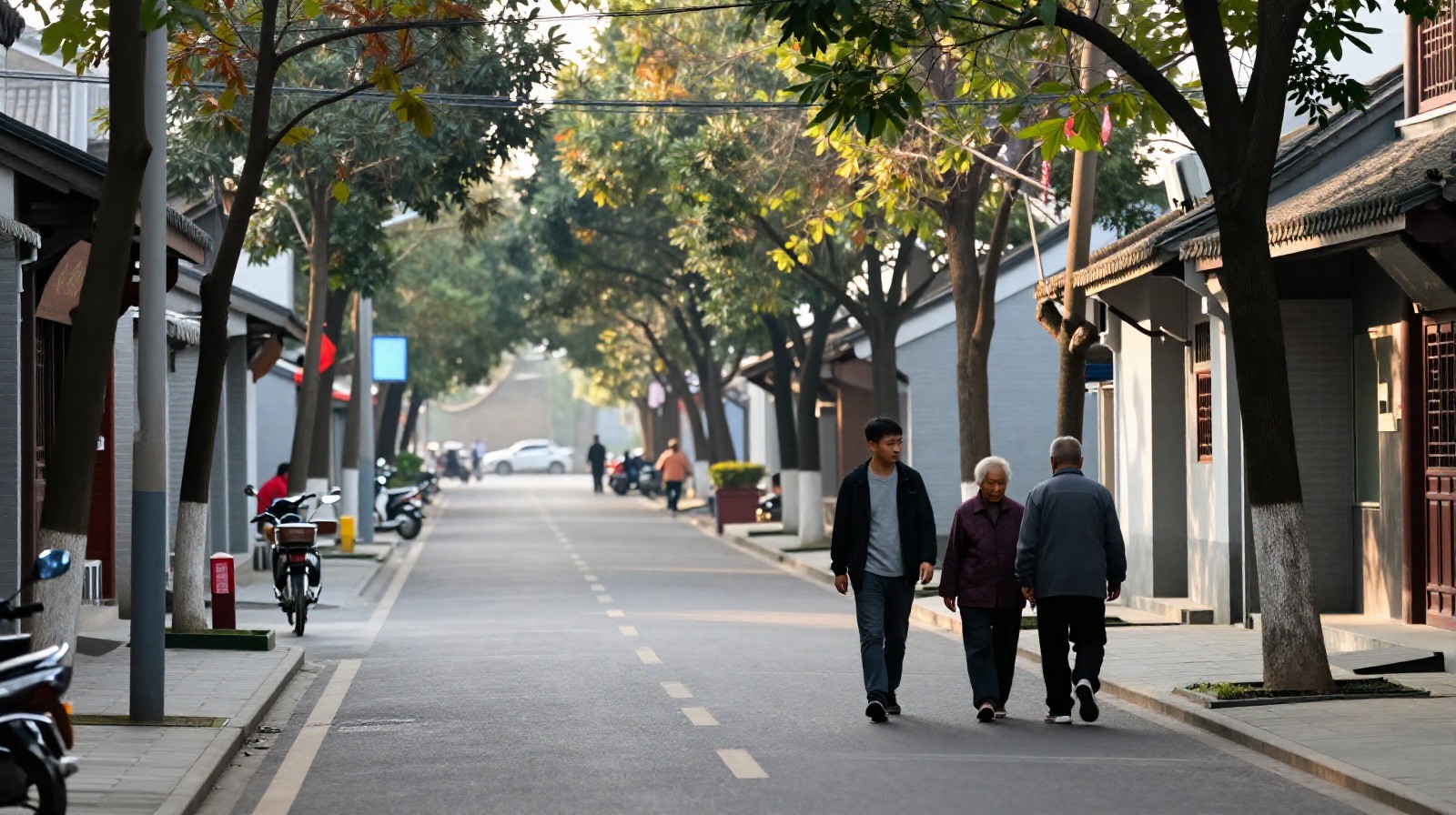
The Future: A Temporary Pause or a Permanent State?
Will Li Wei ever go back to work? He hopes so, but he’s cautious. ‘I’m not lazy,’ he says. ‘I just need the right opportunity.’ The question remains: will the job market recover enough for him to return to the workforce soon?
For now, this arrangement seems sustainable for many families. It provides emotional support for aging parents and a safety net for young adults in an uncertain economy. But it also raises questions about long-term career development and the potential loss of skills.
As China navigates its economic transition, the ‘full-time child’ phenomenon may become more common. It is not just a trend; it is a reflection of how families are adapting to survive together in a changing world.