
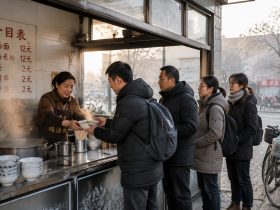
Forget the tourist menus. In Liaoning, the real food map runs from a 7 a.m. noodle window in Shenyang to a 1 a.m. wonton stand, a ...
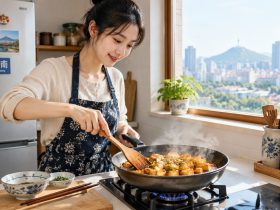
Discover how the classic Lu cuisine technique of 'guo ta' transforms simple tofu into a comfort dish in ordinary Chinese homes. Tips for substitutions and step-by-step ...
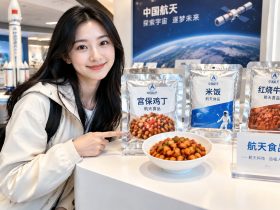
Think Chinese astronauts eat bland space paste? In Tiangong, they’re likely tearing into Kung Pao Chicken and fish-flavored pork strips. Here’s how the space menu works—and ...
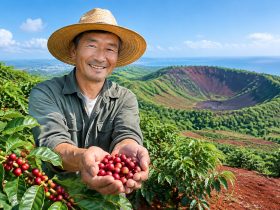
In Haikou, coffee grown on ancient volcanic soil has a distinct character. A barista and a geologist explain what volcanic eruptions left behind, and how that ...
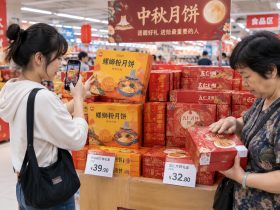
A week before Mid-Autumn Festival, one generation photographs a luosifen mooncake while the other checks the price of five-nut. The mooncake still means reunion — but ...
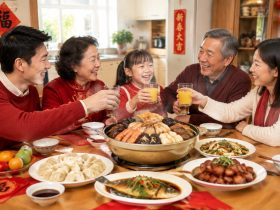
Explore how Chinese families celebrate Spring Festival through food, from northern dumplings to southern poon choi, and what these dishes reveal about home, tradition, and change. ...
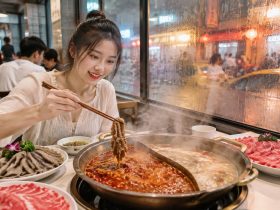
On a 33°C night in Chengdu, the queue outside a hot pot restaurant runs past a fruit stand and a cold jelly cart. Nobody looks miserable. ...
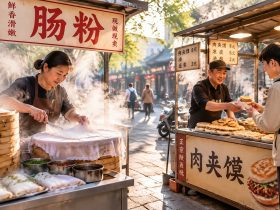
In China, breakfast changes dramatically from region to region. Follow a morning in Guangzhou and Xi'an to see how rice, wheat, history, and work rhythms shape ...
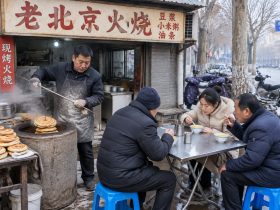
Donkey meat huoshao is Hebei's most recognizable breakfast: crisp layered flatbread, thin slices of braised donkey, a bowl of corn porridge, about $1.70 in total. So ...
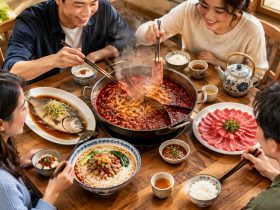
From Chengdu's electric Sichuan peppercorns to Shunde's bone-free fish, a food tour through five very different Chinese kitchens — with smart tips for finding local eateries ...