

The Sound of the Table
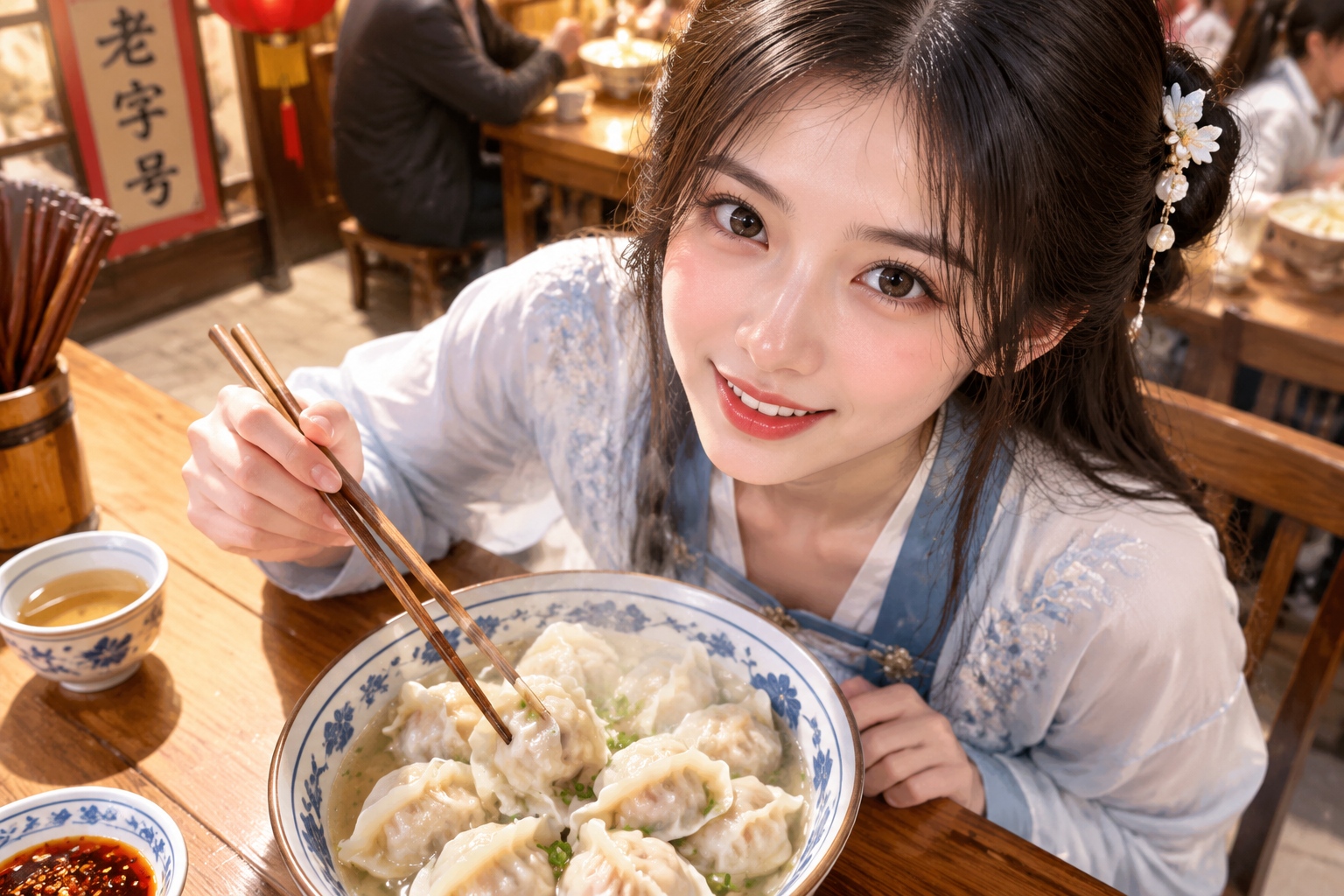
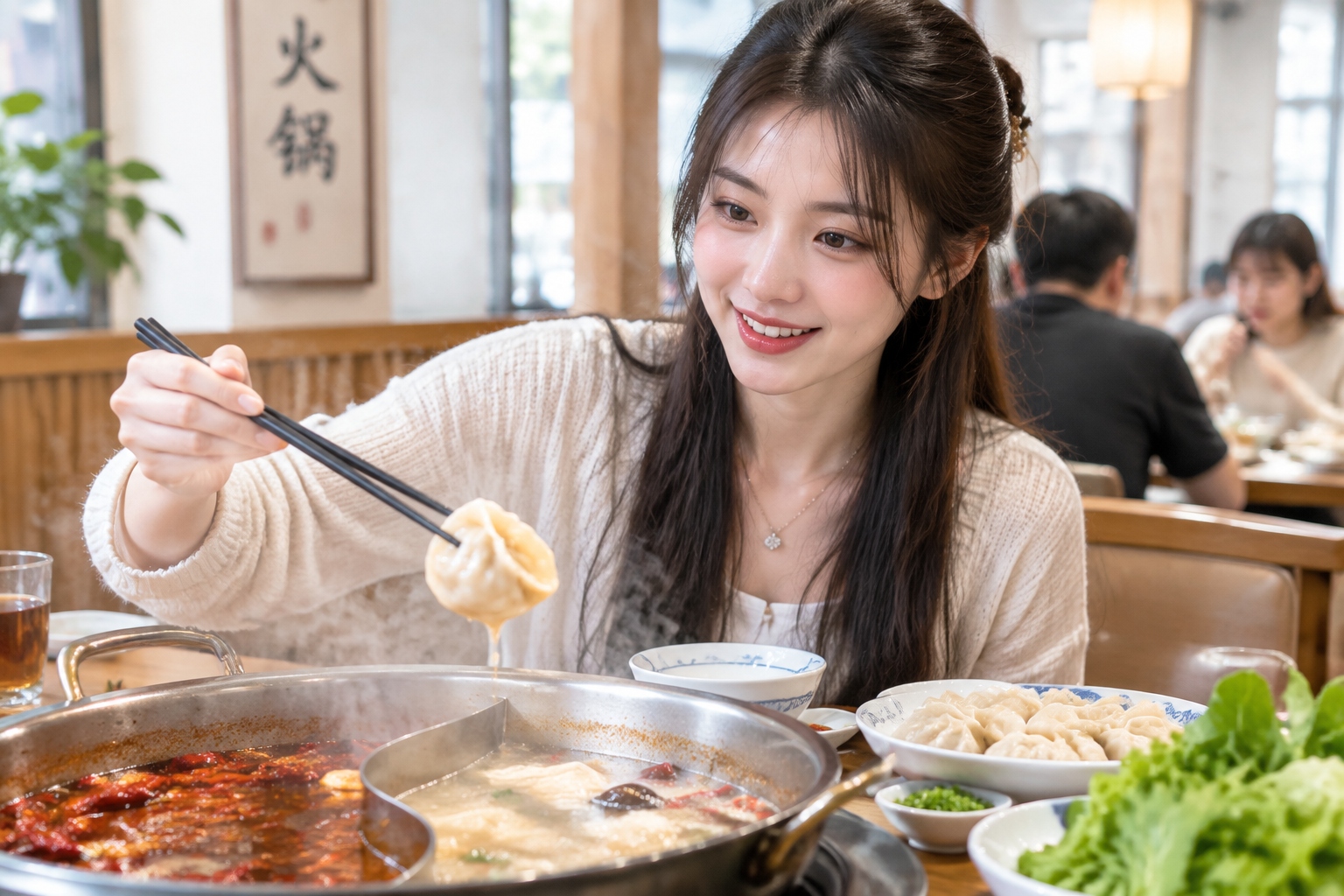
It starts with a sound. In a bustling Beijing hotpot restaurant, the rhythmic clatter of bamboo against ceramic echoes louder than conversation. A young woman in her twenties balances a delicate dumpling between two slender sticks, dipping it into spicy broth without spilling a drop. She doesn’t look like she’s struggling; to her, this is as natural as breathing. For many foreigners visiting China for the first time, watching someone eat with chopsticks can feel like witnessing a magic trick or a difficult sport. But for locals, these two sticks are an extension of their hands, a cultural language spoken at every meal.
From Survival Tool to Cultural Icon
The story of the chopstick is not just about eating; it’s a history lesson in disguise. Originating over 3,000 years ago during the Shang Dynasty, they weren’t always the slender tools we see today. Early versions were often long wooden sticks used for cooking and serving food from large communal pots directly to individual bowls, reflecting a culture that valued sharing and efficiency over cutting meat at the table.
Over centuries, as Chinese cuisine evolved to favor stir-frying and steaming—methods that pre-cut food into bite-sized pieces—the chopstick transformed. It became an instrument of precision. The shift from cooking tool to dining utensil mirrors a broader societal change: moving away from brute force toward refined coordination. Today, the standard design—a pair of unconnected sticks, usually round at one end and square at the other—is found in almost every Chinese household.
The Hidden Philosophy in Wood or Bone
Why are chopsticks designed this way? To a casual observer, they look simple. But hold them close enough to see the details, and you’ll find ancient wisdom embedded in their shape. Traditional Chinese philosophy often speaks of harmony between heaven and earth. This is reflected in the classic chopstick design: round at the top (representing heaven) and square at the bottom (representing earth). The two sticks working together symbolize Yin and Yang—opposing forces that create balance when combined.
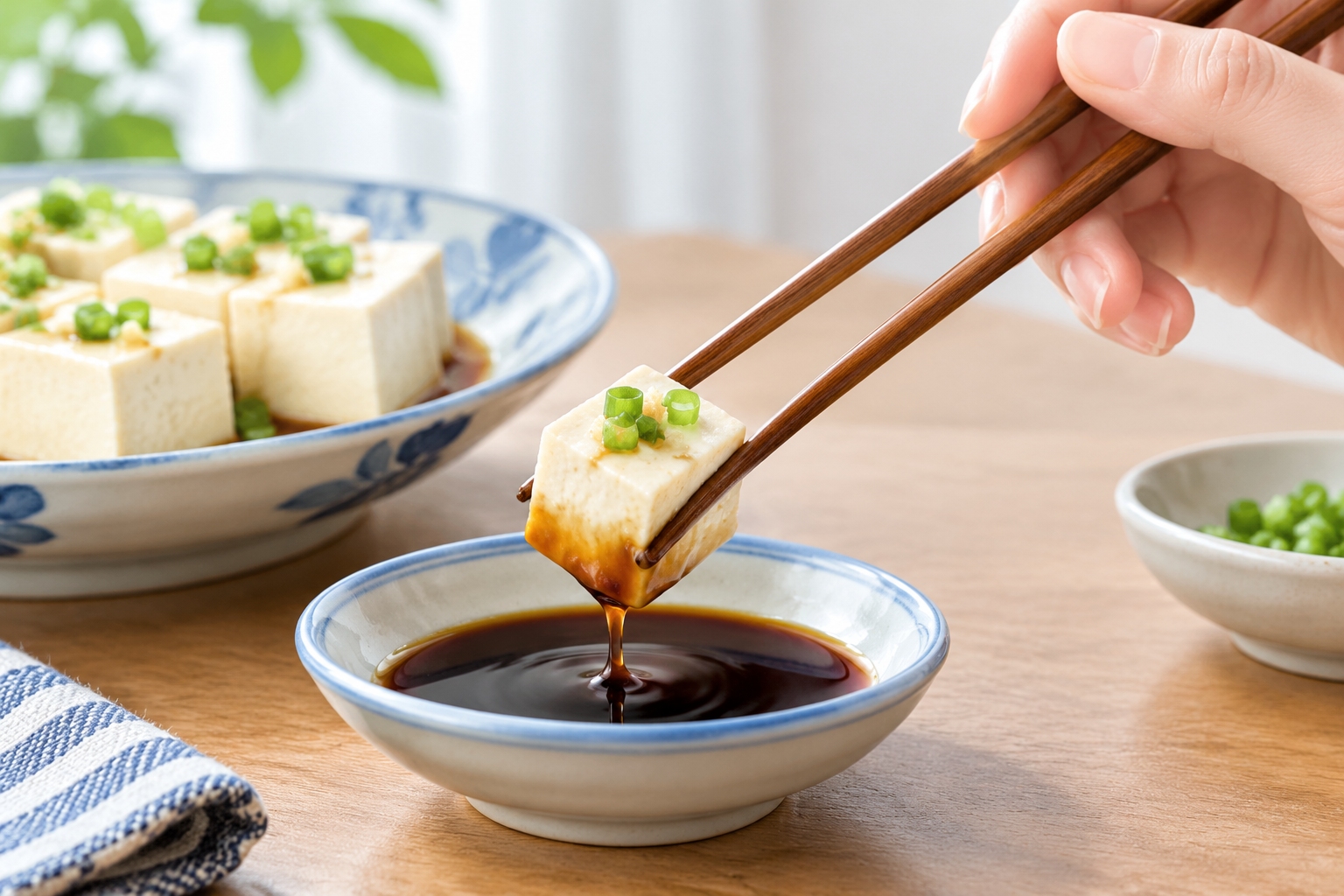
Beyond geometry, there’s a philosophy of gentleness. Unlike forks or knives which pierce and cut, chopsticks require you to work *with* the food, not against it. You must apply just enough pressure to lift a piece of tofu without crushing it, or grasp slippery noodles without tearing them. This requires patience and finesse. In a fast-paced modern society where speed is often prized, the act of eating with chopsticks forces a moment of mindfulness.
The Taboos: What Not to Do
Using chopsticks correctly involves more than just holding them; it involves knowing what *not* to do. There is a set of unspoken rules that, if broken, can feel deeply rude or even bring bad luck in traditional Chinese culture.
First, never stick your chopsticks vertically into a bowl of rice. This resembles incense sticks burned for the dead and is strictly forbidden at the dining table. Second, do not use them to point at people. Pointing with any part of your body is considered aggressive; pointing with food utensils adds a layer of disrespect. Finally, avoid tapping on bowls with chopsticks. Historically, this was a signal used by beggars to ask for alms. Doing it in a restaurant suggests you are poor or demanding.
These rules might seem strict, but they serve a purpose: they turn a meal into a shared social ritual rather than just fueling the body. They remind diners that the table is a place of respect and harmony.
A Skill for Everyone
Can foreigners really learn to use them? Absolutely. The learning curve is steeper at first, but it flattens quickly with practice. Most Chinese people start using chopsticks as toddlers, so their muscle memory is built early. For adults visiting China, the best approach is observation and imitation.
Start by picking up large items like dumplings or tofu before attempting slippery noodles. Don’t be discouraged if you drop something; in a friendly setting, laughter often replaces frustration. Many restaurants in tourist areas even offer chopstick training guides on placemats or apps that show the correct grip. The goal isn’t perfection immediately, but participation. When you successfully pick up your food without resorting to a fork, you aren’t just eating; you’re joining in.
The Modern Table
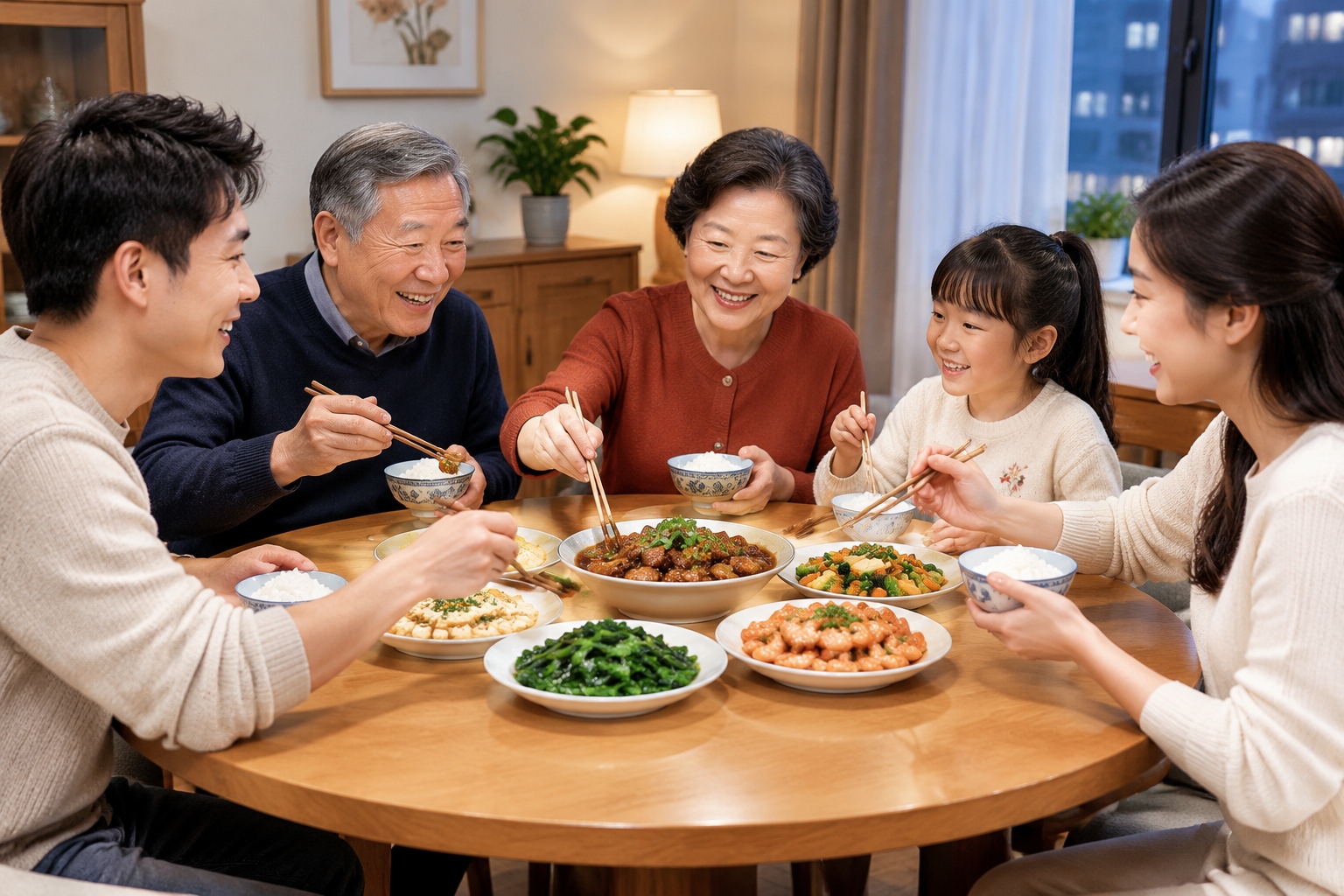
Today, chopsticks remain central to Chinese life, even as the country modernizes rapidly. In high-tech offices in Shanghai or Silicon Valley-style parks in Shenzhen, lunch breaks still feature communal dishes shared with chopsticks. They bridge the gap between ancient tradition and contemporary life.
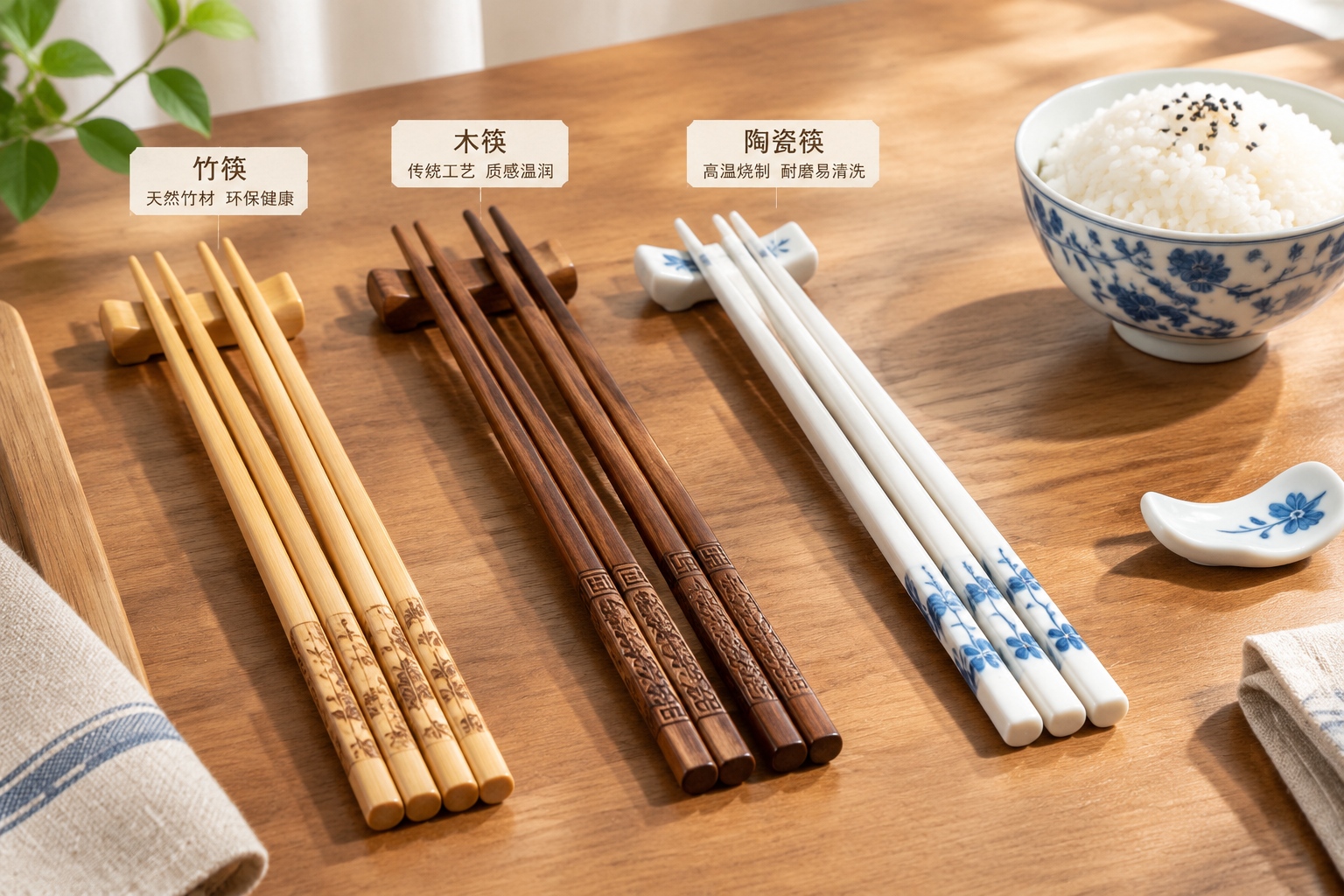
Whether made of simple bamboo, polished wood, or even high-tech titanium for durability, they remain a constant thread connecting generations. As you watch a family gather around a table, passing dishes back and forth, you realize that the art of chopsticks is not about the food itself, but about the connection it fosters between people.
Start the discussion at forum.chinacomes.com