

The Empty Aisles That Used to Define China
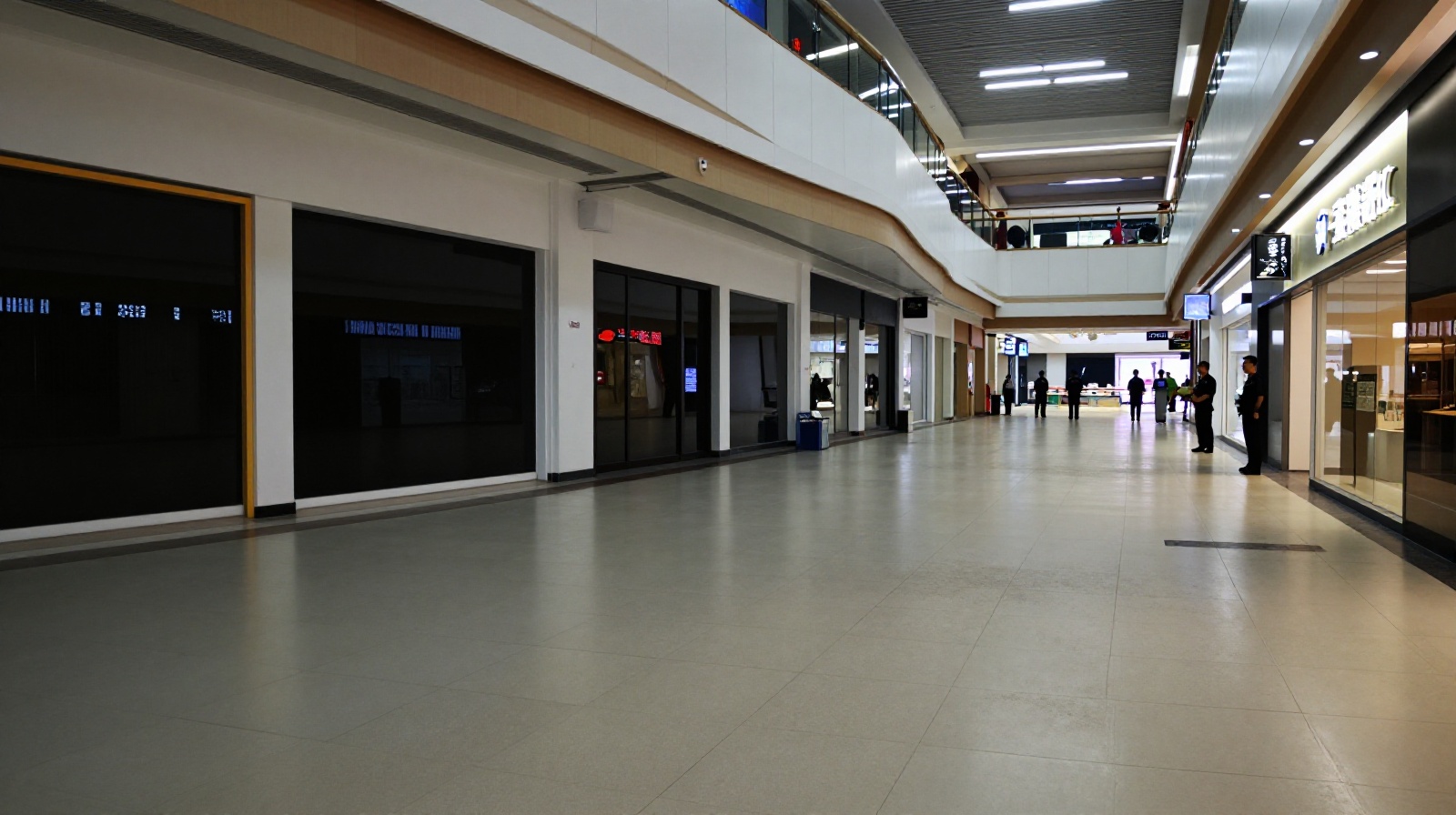
Five years ago, Li Wei stood on the fourth floor of a massive mall in Wuhan, looking out at rows of darkened storefronts. The escalators hummed softly, but there was no crowd. Just a few security guards and stray cats. This was the era of “ghost malls”—gigantic retail complexes built during China’s rapid urbanization boom that failed to attract tenants or shoppers.
At that time, the narrative was simple: e-commerce had killed physical retail. Online platforms like Alibaba and Pinduoduo offered endless variety and lower prices, leaving brick-and-mortar stores with high rent and low foot traffic. Many investors wrote off these malls as white elephants, assets stuck in concrete jungles.
The Turning Point: Technology as the New Anchor
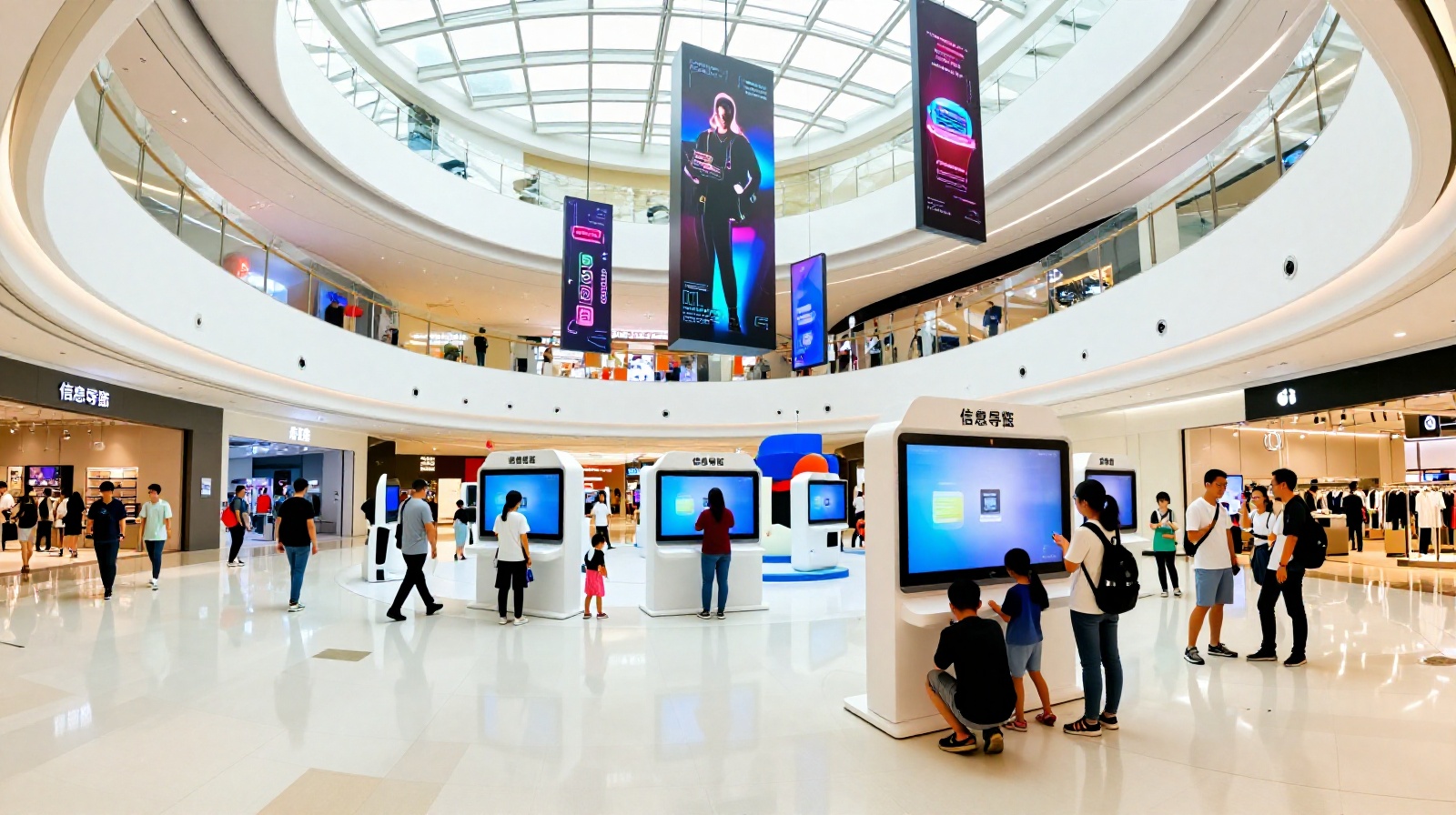
Today, Li stands in the same spot, but the scene is unrecognizable. The fourth floor is no longer a corridor of silence; it’s an open-air plaza filled with families testing virtual reality (VR) flight simulators and teenagers streaming content from interactive screens.
The change didn’t happen overnight. It began when mall operators realized that selling clothes or food wasn’t enough anymore. To survive, they had to become destinations where technology made the experience impossible to replicate online.
“We used to just collect rent,” says Zhang Min, a senior operations director for the Wuhan complex. “Now we are a tech company that happens to own a building.”
The transformation started with data. Operators installed thousands of sensors and cameras throughout the mall. This wasn’t about spying on shoppers; it was about understanding behavior. The system could tell exactly which store had the longest queue, which zone was too quiet at 2 PM on a Tuesday, and how long customers lingered in front of a specific display.
AR Navigation and AI: The Invisible Guides
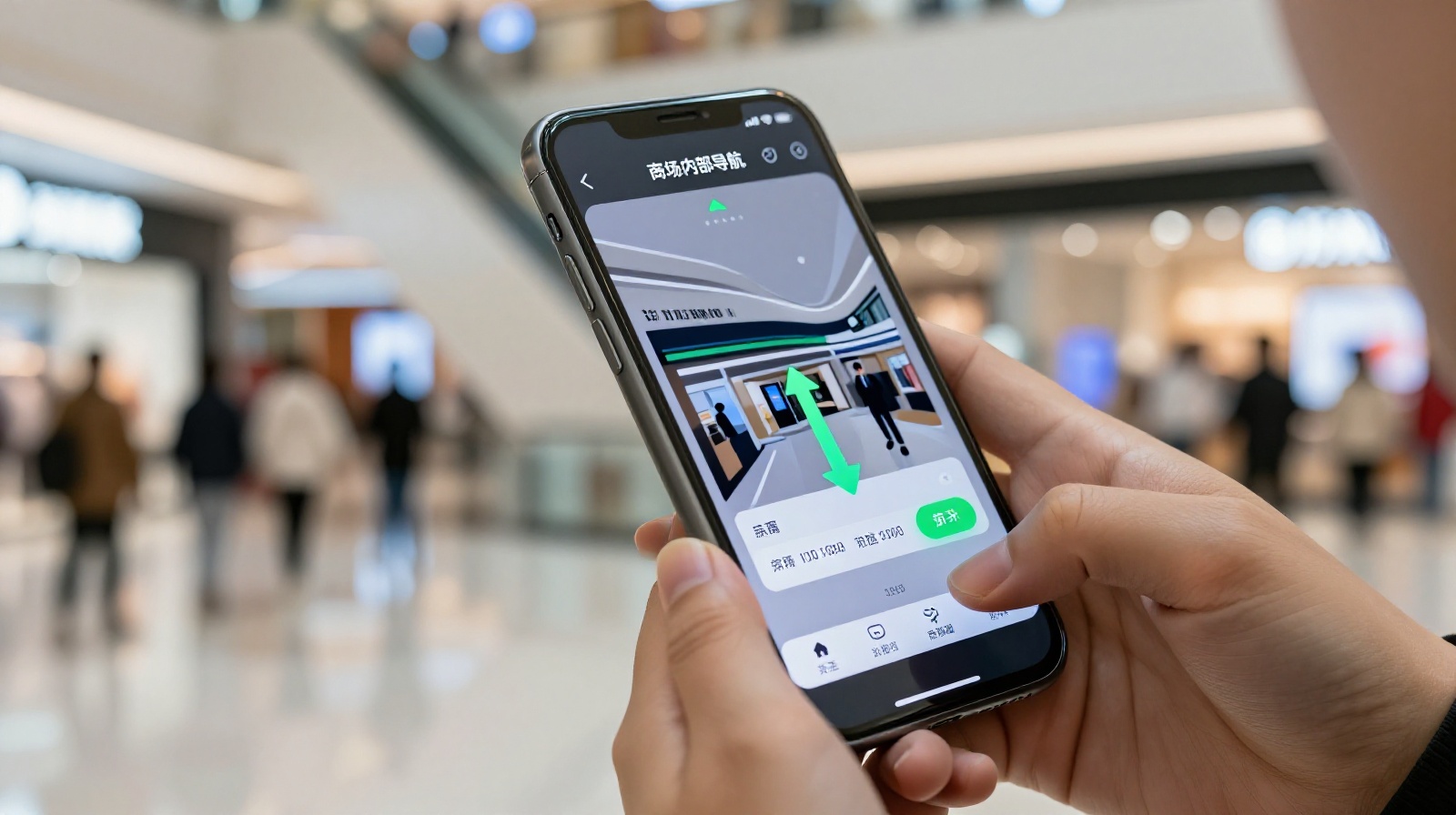
For young shoppers, the most visible change is the smartphone experience. Before entering, users scan a QR code on their phone to activate an augmented reality (AR) navigation system inside the mall.
Instead of walking blindly between floors, they see digital arrows floating in the air, guiding them directly to a store selling a specific brand of sneakers or a coffee shop with a quiet corner for working. This solves one of the biggest pain points of large malls: confusion and wasted time.
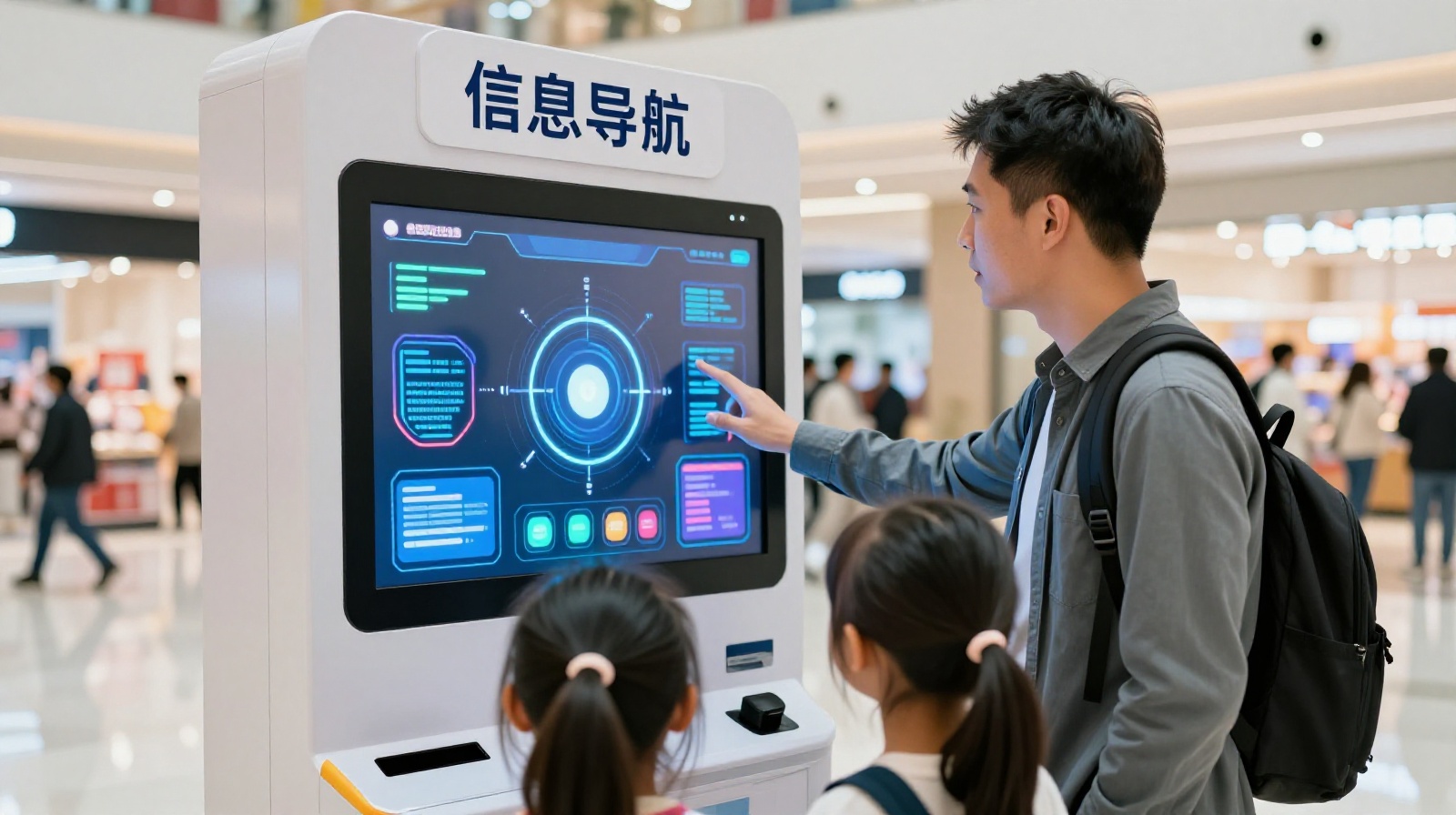
Beyond navigation, AI-powered concierges have replaced static information desks. These are voice-activated kiosks that can answer hundreds of questions in real-time. “Where is the nearest restroom?” “Is there a vegan menu at Restaurant X?” “What’s the discount code for today?” The AI responds instantly, integrating with the user’s digital wallet to apply coupons automatically.
Li Wei, the young professional I interviewed earlier, noted that she now visits the mall three times a week. “I don’t just buy things,” she explained. “I come here to try out the new AR art installations or to let my kids play in the AI-managed playground. The mall feels like a tech park mixed with a community center.”
Beyond the Hype: Is This Real Recovery?
It is crucial to distinguish between a genuine revival and temporary marketing tricks. Some malls have indeed resorted to heavy discounting or celebrity events to generate short-term buzz, only to return to emptiness once the event ends.
However, the data from Wuhan and similar cities suggests a structural shift. Foot traffic in these upgraded centers has risen by an average of 40% over two years, while retention rates have doubled. Stores that previously closed are now signing five-year leases because the digital infrastructure brings consistent customer flow.
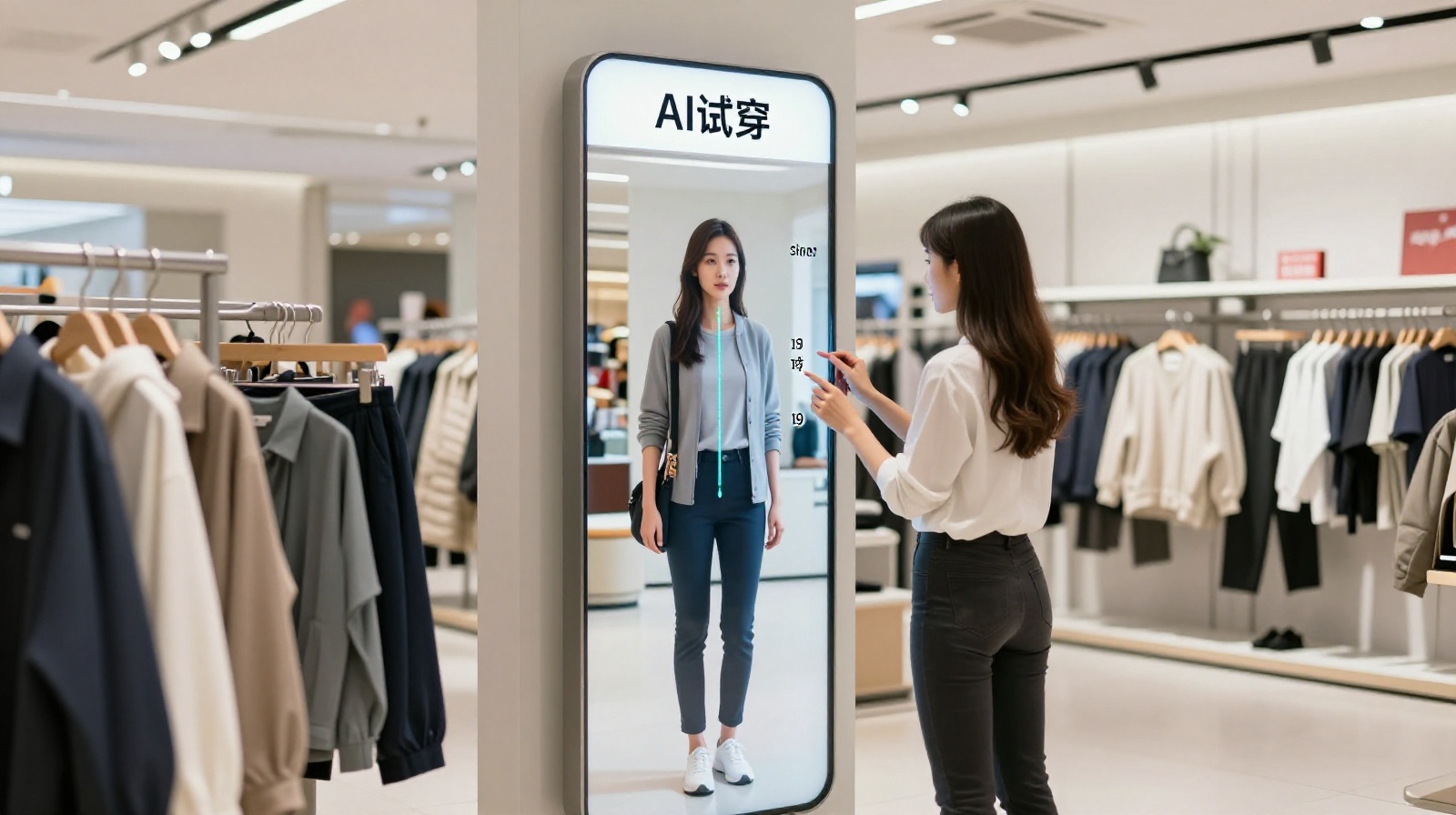
The key is “phygital” integration—blending physical and digital. For example, some stores allow customers to try on clothes virtually using mirrors equipped with AI cameras, then order the exact fit for home delivery if they don’t like the size immediately. This reduces inventory waste and improves efficiency.
The Future of Retail: Experience Over Inventory
This shift signals a broader lesson for the global economy. The era of the shopping mall as merely a warehouse for goods is over. The future belongs to spaces that offer what screens cannot: social connection, tactile experiences, and seamless technological integration.
For China, this revival isn’t just about saving retail; it’s about urban governance. These massive centers are becoming the new “living rooms” of cities, providing safe, climate-controlled environments for families, seniors, and youth to gather. They are also hubs for green technology, with many adopting solar-powered cooling systems and smart waste management.
As Zhang Min put it, “We stopped trying to compete with Amazon on price. We started competing on time and emotion.”