
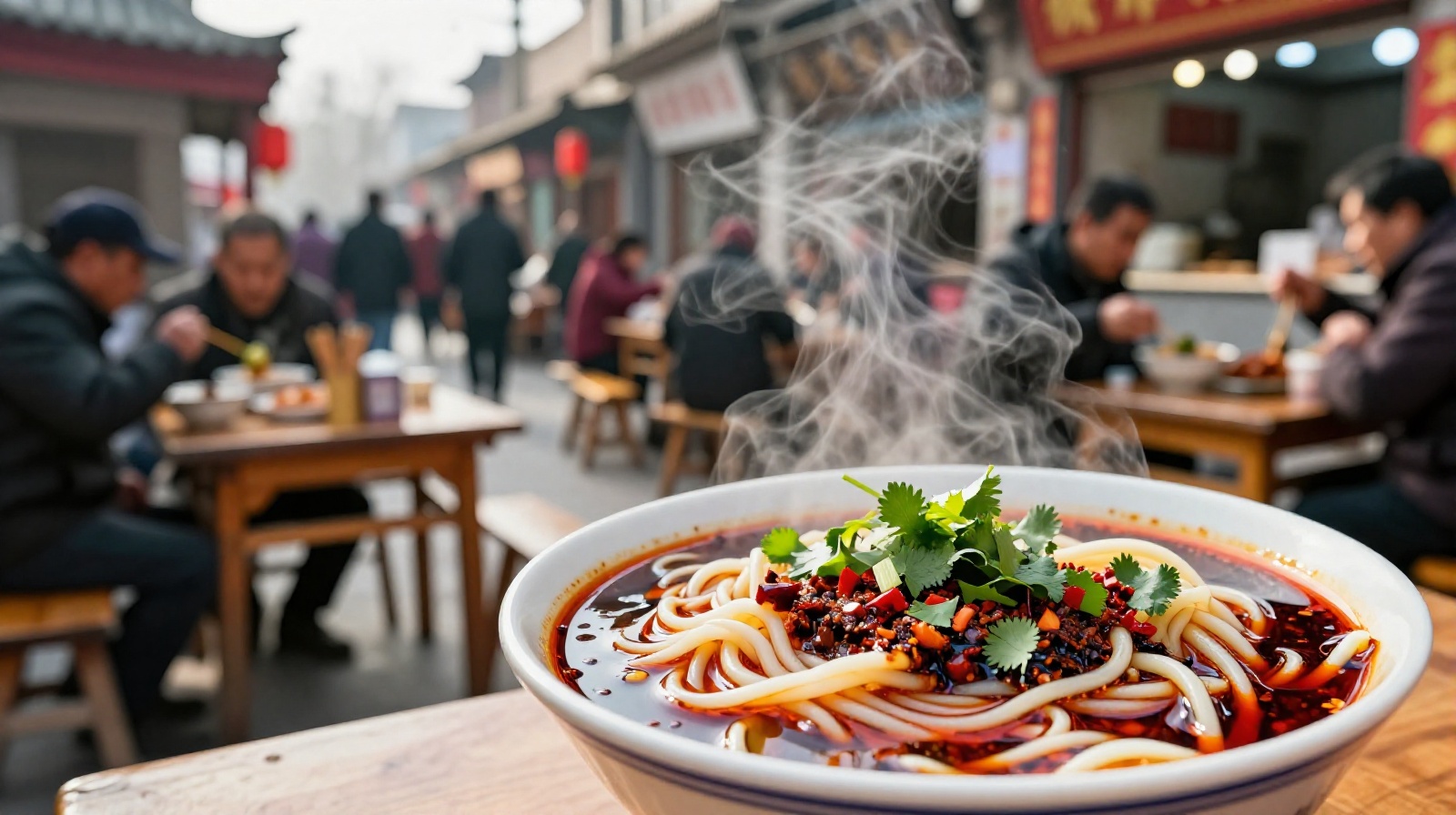

A Morning in Lanzhou: The Sound of Sizzling Oil
In the cold dawn of a December morning in Lanzhou, the capital of Gansu province, the air smells intensely of sesame and spice. Before most people have even taken off their coats, they are already lining up at small street stalls for baofa (steamed buns) or beef noodles. But the real star isn’t the dough; it’s the bowl in front of every customer: a mound of noodles topped with a vibrant red layer of chili oil.
This isn’t just about liking spicy food. It is a deeply ingrained daily ritual. In Lanzhou, if you order noodles without chili, the waiter might look at you as if you ordered soup without salt. The local appetite for capsaicin—the compound that makes peppers hot—is among the highest in China. But why does this specific province, located deep in the arid northwest, rely so heavily on a crop originally from South America?
From Silk Road to Survival: A Historical Imperative
To understand Gansu’s relationship with chili, one must look beyond the plate to history and geography. The chili pepper arrived in China via the Maritime Silk Road around the 16th century but took over a hundred years to reach the interior northwest.
By the time it settled in Gansu, the region was facing harsh realities. With an average annual rainfall of less than 300 millimeters in many parts and temperatures that can drop below -20°C in winter, agriculture was a struggle. Salted vegetables and pickles were essential for survival during long winters when fresh produce vanished.
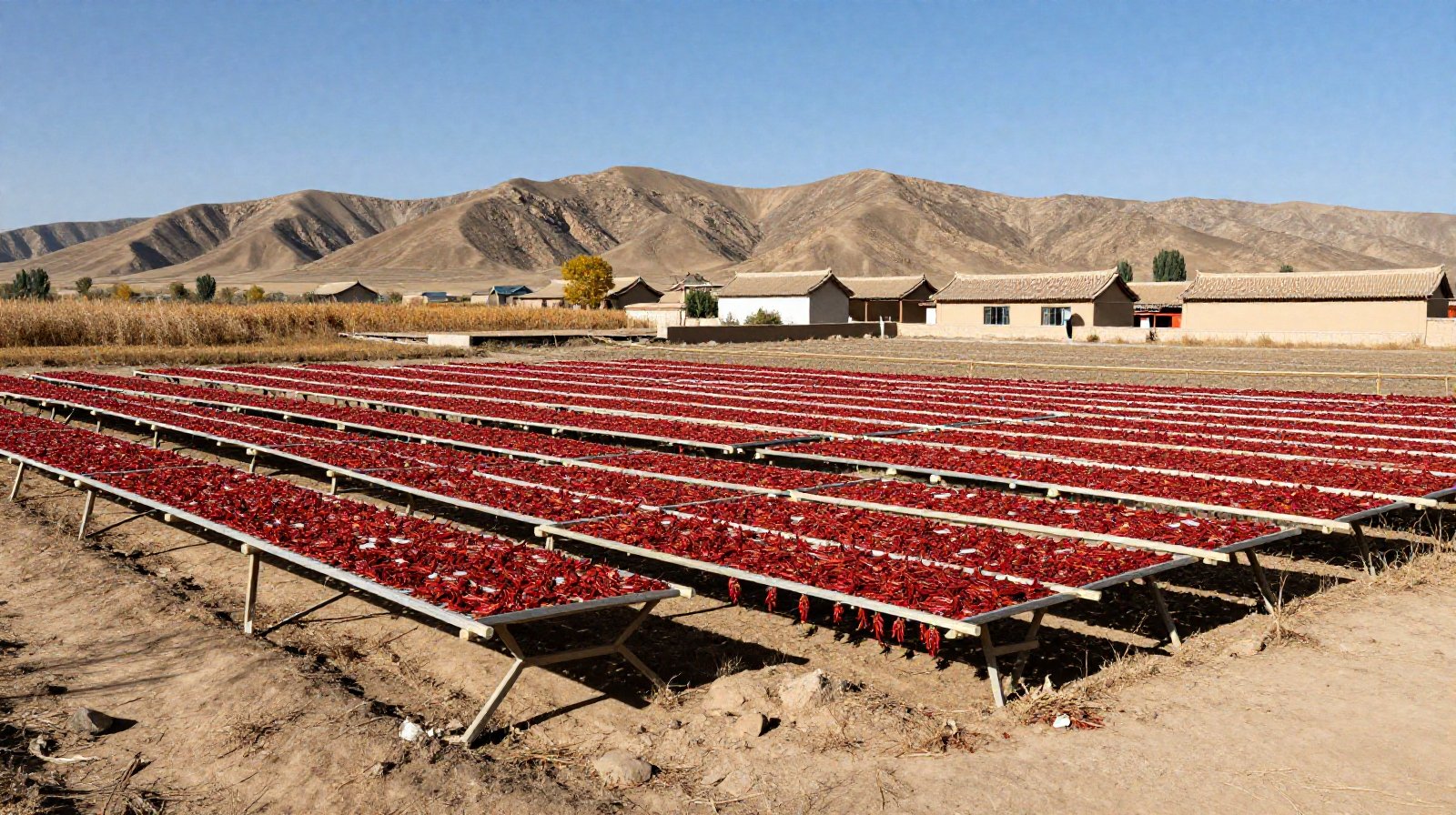
Chili peppers offered a unique solution. They are drought-resistant, easy to dry and store for months, and can be processed into oil or powder that doesn’t spoil easily. For centuries, Gansu farmers grew chili not just as a crop, but as insurance against famine. The “red gold” of the region became a cultural necessity long before it was a culinary preference.
The Science of Taste: More Than Just Heat
Modern data supports what locals have known for generations: chili in Gansu serves functional roles beyond flavor enhancement. In regions with high humidity, capsaicin helps regulate body temperature and promotes sweating to cool down. However, Gansu is dry.
So why does it stick? Anthropological studies suggest that in dry climates with extreme cold, capsaicin acts as a painkiller and mood booster. It triggers the release of endorphins, the brain’s natural opioids, which provide warmth and comfort against the biting wind. Furthermore, traditional medicine in the region believes chili helps dispel “dampness” from within, even when the external weather is dry—a paradox that local healers have navigated for centuries.
From a nutritional standpoint, dried chili peppers are rich in Vitamin C and antioxidants. In the past, before refrigeration made fresh vegetables available year-round, consuming dried chili was one of the few ways to maintain immune health during the long winter months. The data is clear: for centuries, eating spicy food in Gansu was a matter of public health, not just gastronomy.
Modern Evolution: Tradition Meets New Palates
Todays’s Gansu tells a different story from its ancestors, yet the chili remains central. As urbanization sweeps through cities like Lanzhou and Tianshui, younger generations are redefining what “spicy” means.
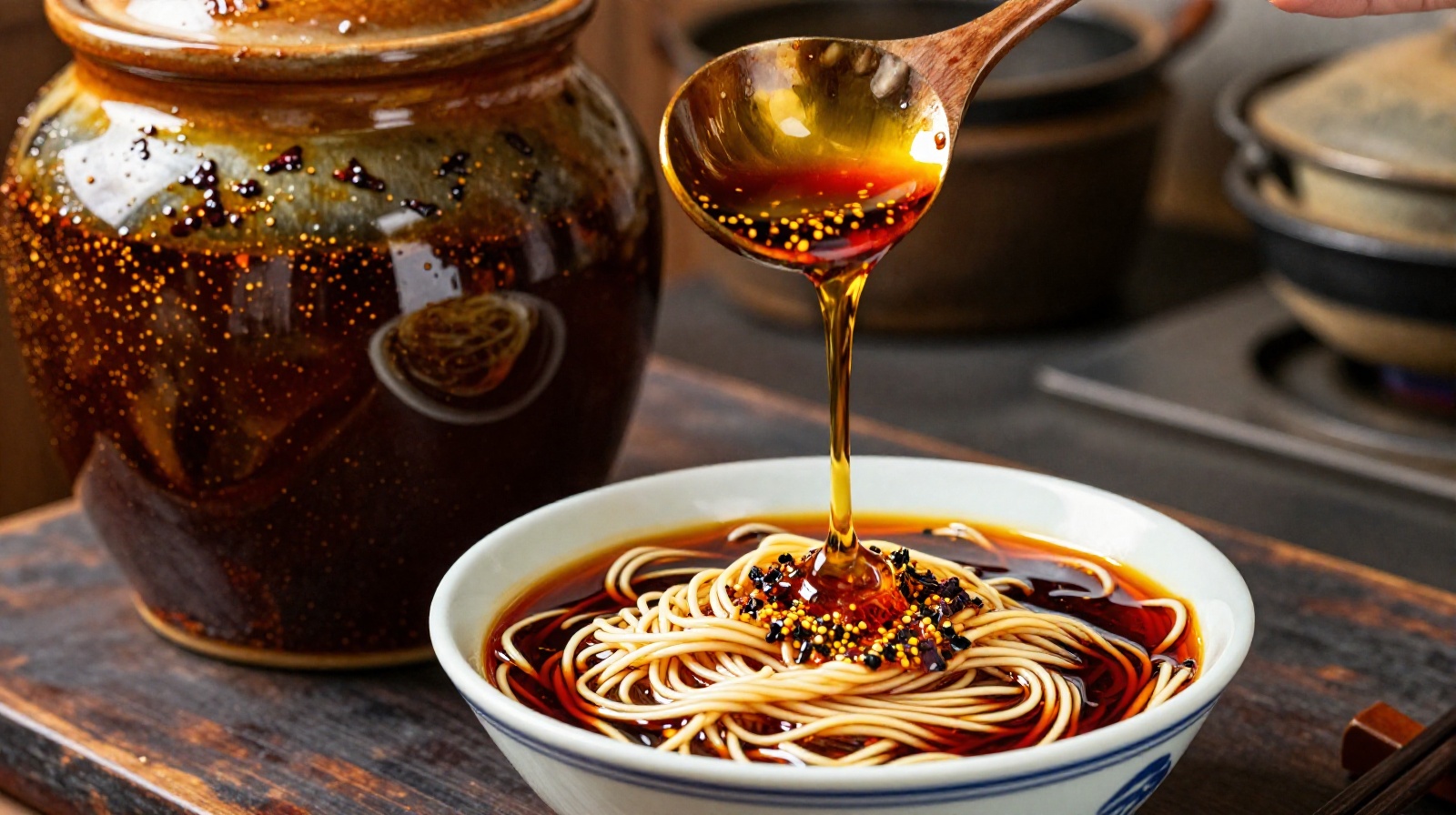
While older residents still prefer the traditional, coarse-ground chili oil that tastes of smoky seeds and Sichuan peppercorns, young people are experimenting. New restaurants in city centers serve fusion dishes: spicy beef burgers with cumin-infused oils or bubble tea laced with chili extract. Yet, the core habit persists. A 2023 consumer survey in Northwest China indicated that nearly 85% of residents in Gansu still consider a meal incomplete without a chili-based condiment.
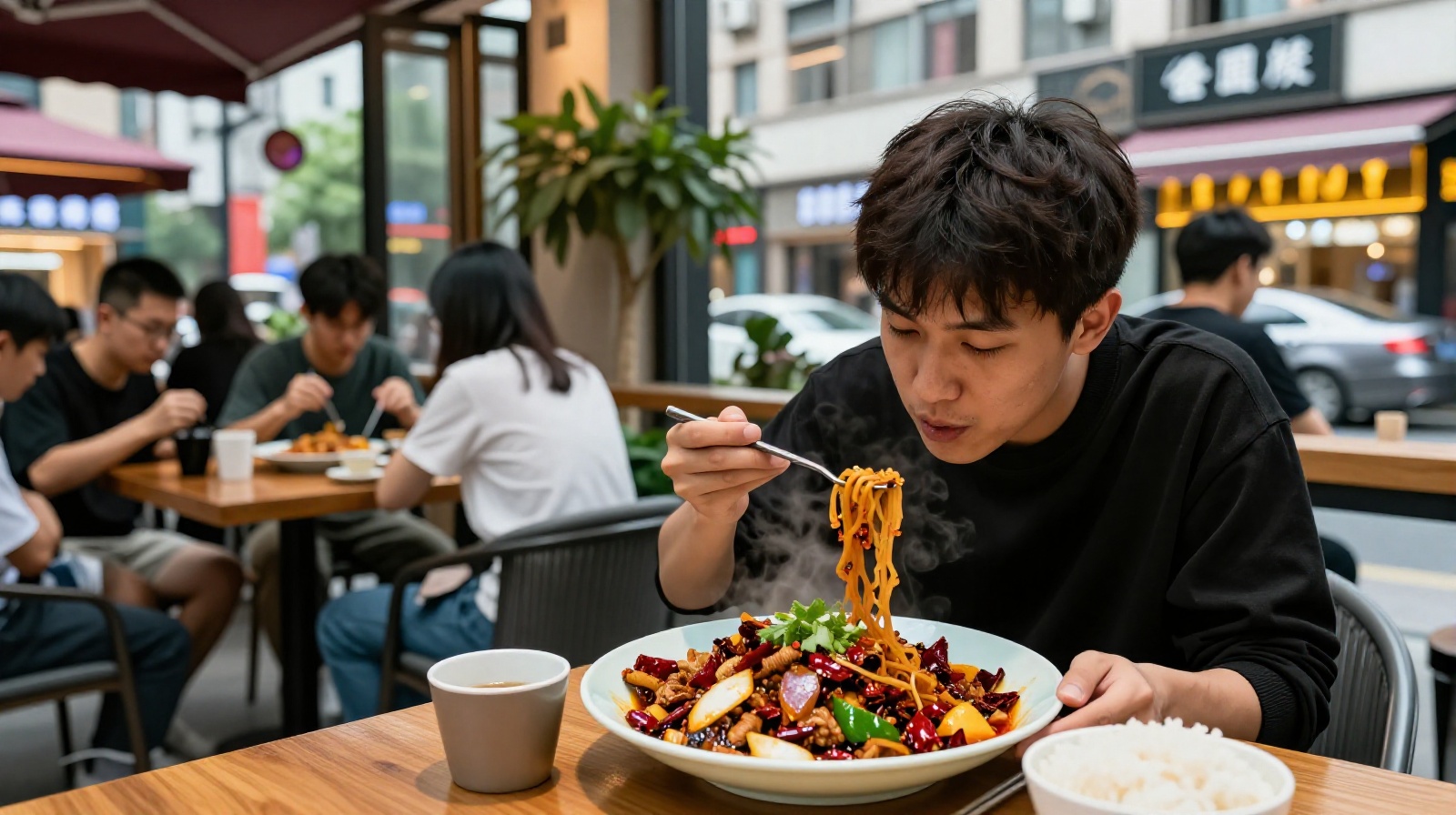
This continuity is driven by identity. In a rapidly changing world where Chinese cities are becoming increasingly homogenized, local flavors serve as anchors. For a young professional working in a glass-walled office in Lanzhou, the smell of chili oil at lunchtime connects them to their roots and the rugged landscape outside.
A Global Connection: The Unique Case of Gansu
Comparing Gansu to other spicy regions reveals its uniqueness. In Sichuan or Hunan provinces, heat is often balanced with complex aromas like numbing peppercorns or fresh fermentation. In Gansu, the chili flavor is more singular and direct—a pure expression of heat and oil.
This difference reflects the region’s history as a trade corridor. The Silk Road brought not just goods, but flavors. While Sichuan cuisine absorbed influences from the south (rice, soy sauce), Gansu’s diet was shaped by the arid north (wheat, lamb, dried peppers). Today, this distinct profile is gaining international attention. Food tourism in Gansu is rising, with visitors specifically seeking out the “dry fire” of Lanzhou noodles.
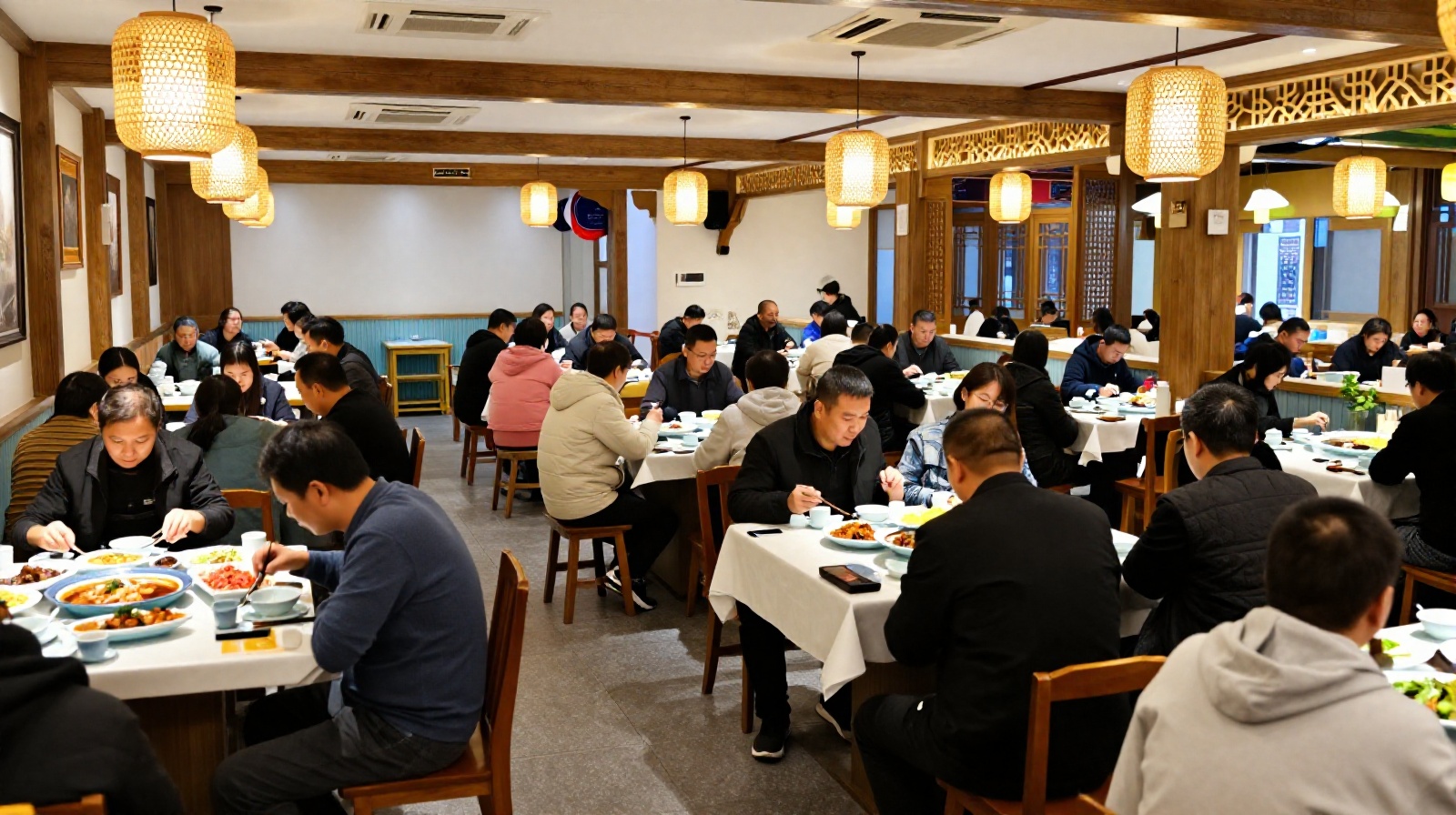
The evolution of Gansu’s food culture is a testament to adaptation. What began as a survival strategy against drought and cold has transformed into a beloved cultural symbol. It is a reminder that in China, even the simplest bowl of noodles carries the weight of history, geography, and human resilience.