

The Tea That Speaks Louder Than Words
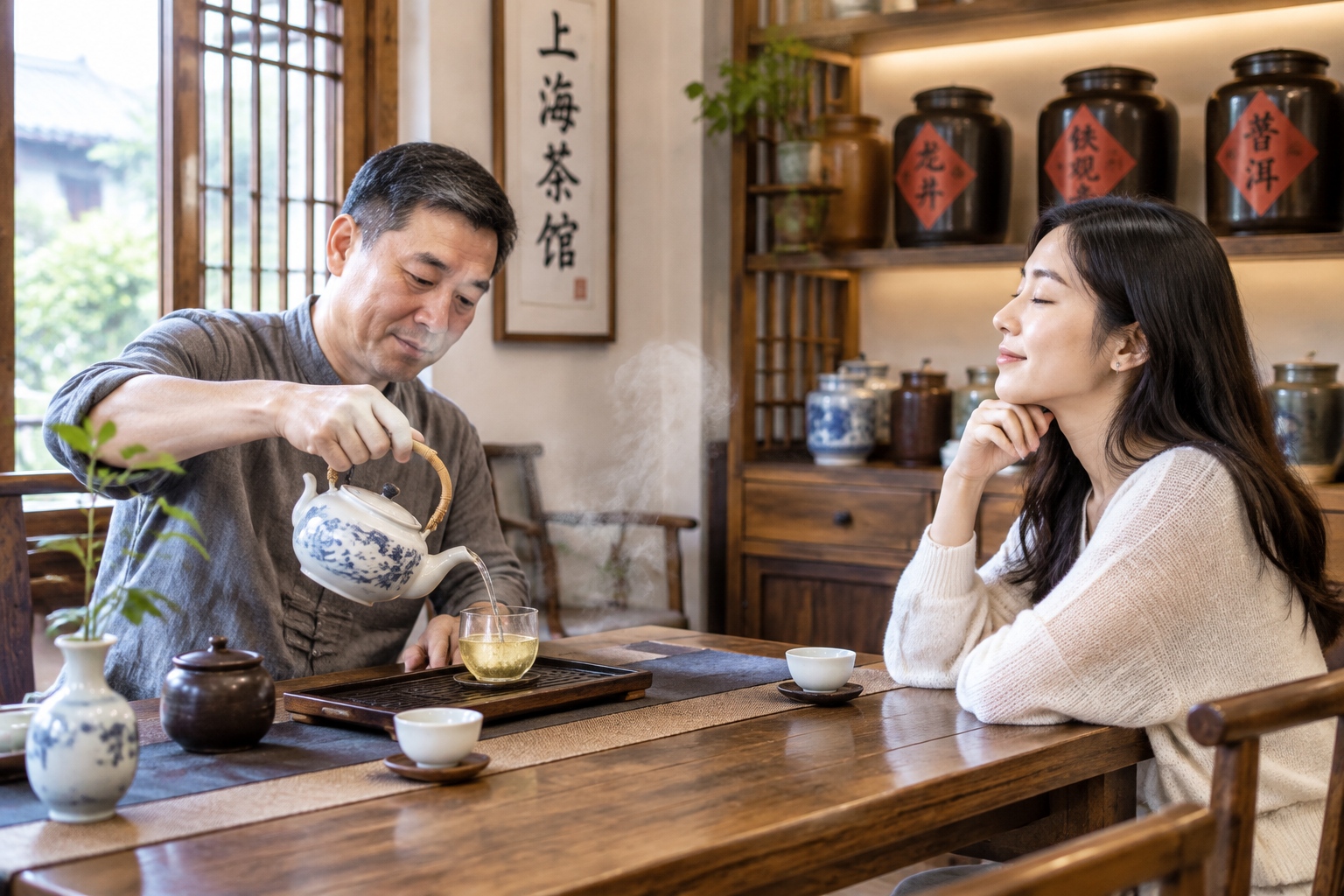
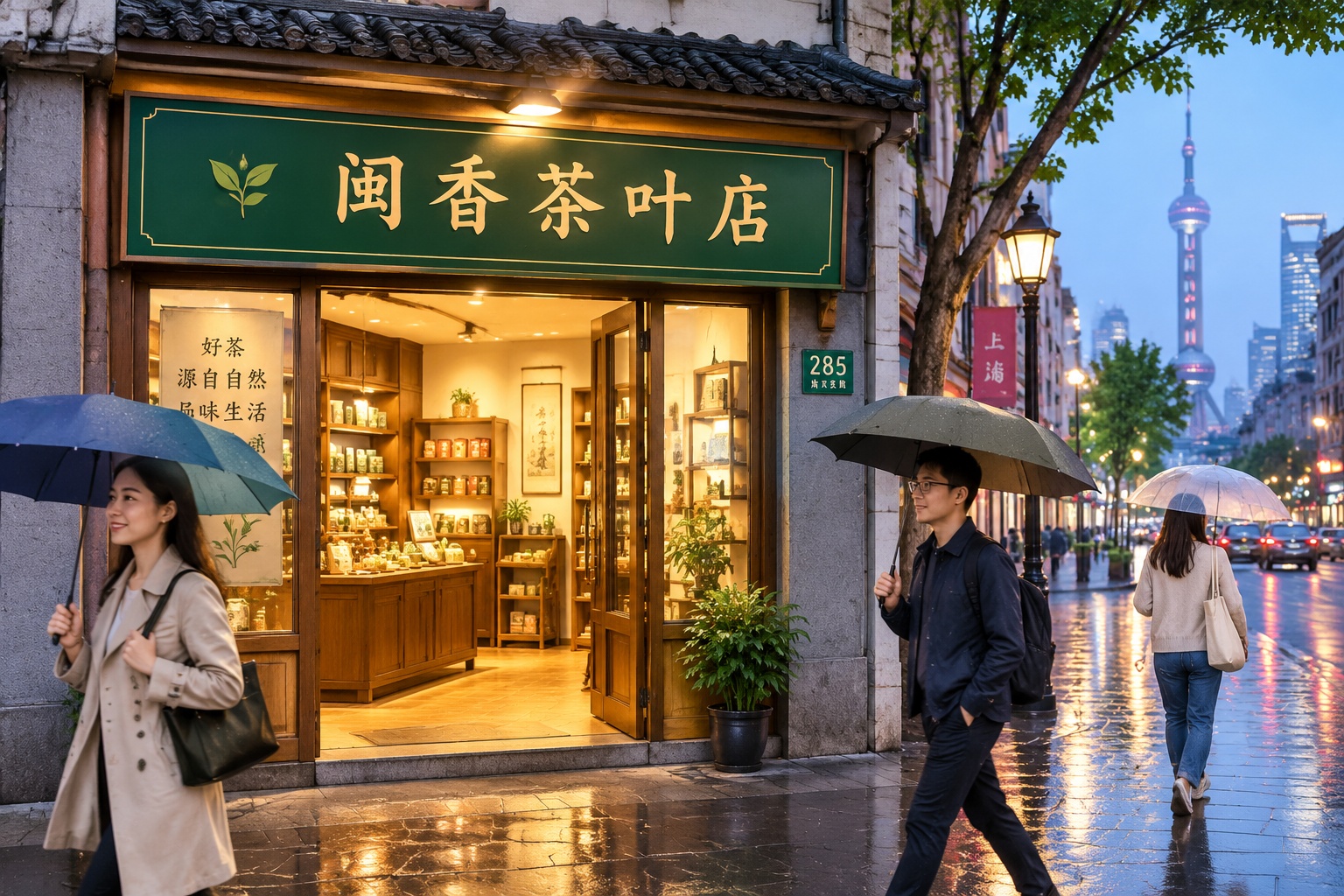
It’s 7 PM on a rainy Tuesday in Shanghai. The shop is small, tucked between a delivery bike station and a convenience store. Inside, the air smells of roasted oolong and damp earth. A man in his fifties, Li Wei, sits behind the wooden counter. He isn’t wearing silk robes or chanting sutras. He’s wearing a simple grey t-shirt and wiping a ceramic cup with a cloth.
His customer is a young woman in a business suit, checking her phone frantically while waiting for her order. She looks exhausted.
Li doesn’t ask if she wants tea. He just starts brewing. “You’re rushing,” he says softly as the water hits the leaves. “Your hands are shaking slightly when you hold your cup later.”
The woman pauses, surprised. “How did you know?”
“I saw how you walked in,” Li replies. “Shoulders up, eyes down. You haven’t breathed deeply for a long time.”
This isn’t magic. It’s the result of decades of observing hundreds of people through the ritual of tea. In modern China, where digital life is faster than ever, this ancient practice has found a new role: not as a performance art, but as a quiet mirror for our emotions.
Reading the Hands and the Heart
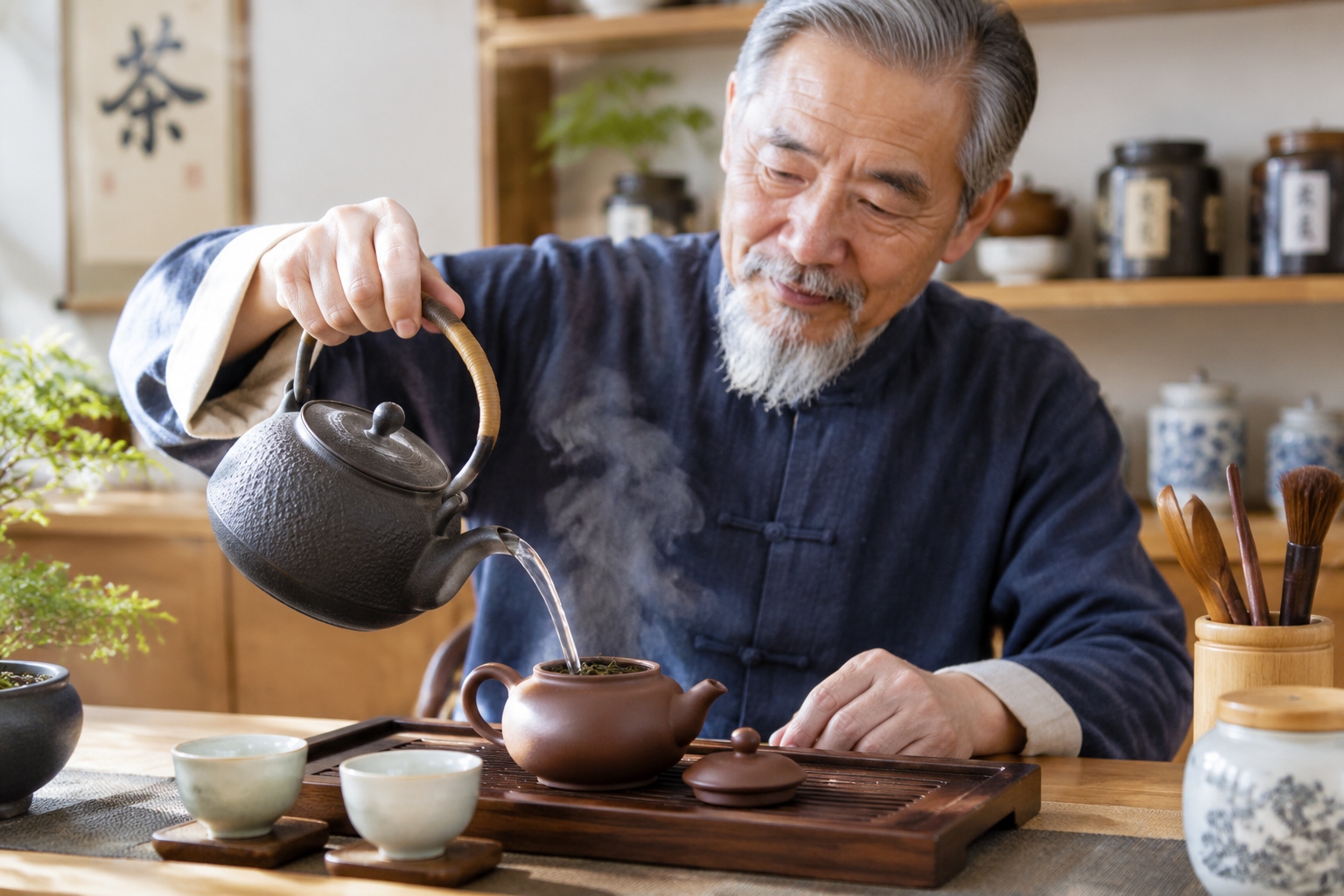
In Chinese tea culture, the way you drink tells more than what you say. Li Wei calls it “reading the flow.” When a customer pours water too fast, their mind is racing. When they sip too quickly without savoring, they are likely avoiding feelings or trying to escape.
“In the past, tea was about respect and ceremony,” Li explains over his shoulder while arranging dried flowers. “Today, people come here not for the ritual itself, but because they need a pause button in their lives.”
He has seen it all. The businessman who pours tea with trembling hands after a failed merger. The student who drinks too much bitter tea to punish herself after an exam failure. The mother who takes three small sips of hot water just to feel something warm before going back into the chaos.
Small Stories, Big Feelings
Last week, a man in his thirties came in. He ordered nothing specific and stared at the tea set for ten minutes. Li simply made him a pot of Pu-erh, known for its deep, earthy flavor.
The man drank slowly. Then he started crying. Not loudly, but quietly, like a dam breaking. “I just feel lost,” he whispered. “Every day I work, every day I sleep, nothing changes.”
Li didn’t offer advice or platitudes. He just refilled the cup and waited. After twenty minutes, the man smiled faintly. “It tastes better now,” he said.
That is the core of this practice: tea isn’t just a drink. It’s a space where you are allowed to be still, to feel your emotions without judgment. In a city that never sleeps, this quiet corner becomes a sanctuary for the soul.
A Modern Ritual for an Anxious World
Why does this resonate now? Because modern life in China is incredibly fast. High-speed trains connect cities in minutes. Smartphones deliver food to your door in 15 minutes. But our inner lives often lag behind.
Li says the tea ceremony provides a necessary counterbalance. “When you boil water, it takes time. You cannot rush boiling water,” he notes. “And when leaves expand, they do so at their own pace.”
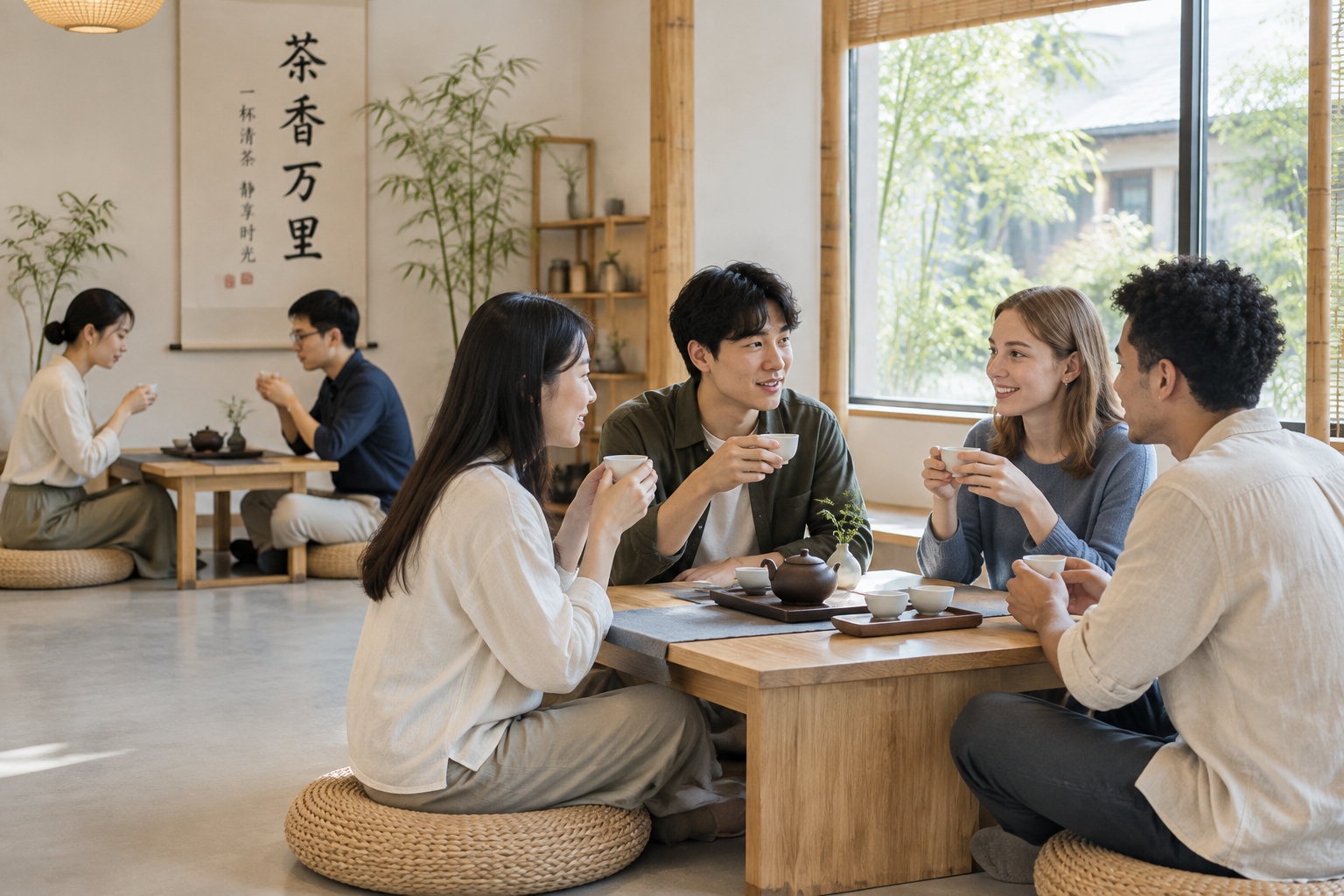
This philosophy is spreading. More young people in Shanghai, Beijing, and Chengdu are seeking out these small tea houses. They aren’t looking for luxury; they want authenticity. They want a place where the only thing that matters is the present moment.
Li sees it as a form of therapy without a prescription. “Tea doesn’t fix your problems,” he says, pouring water into a glass teapot. “But it gives you the clarity to see them clearly.”
Beyond the Cup
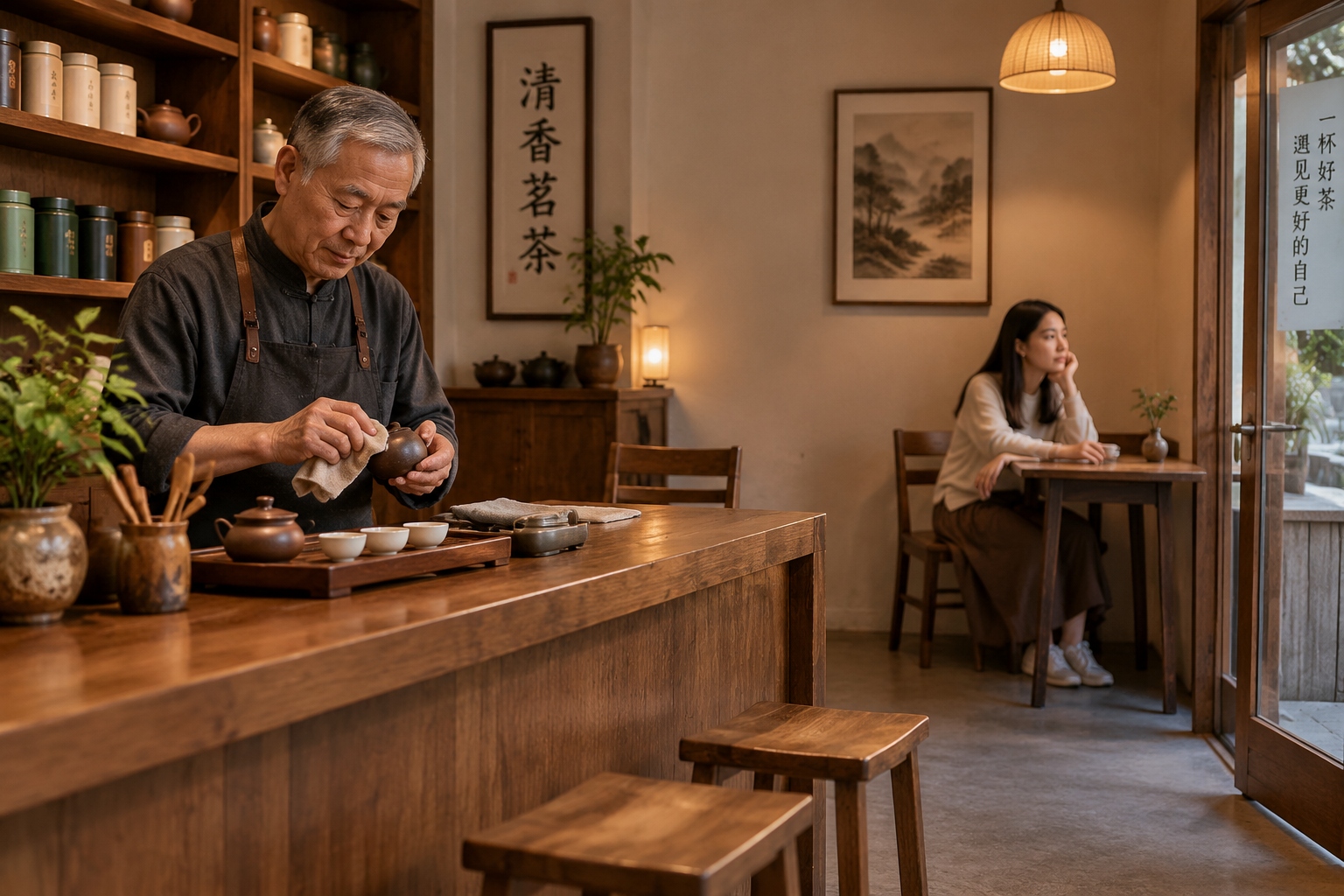
As the rain stops outside, Li cleans his tools with care. The woman who came in earlier has left, but she looked lighter. Her shoulders are down. She took a photo of the empty cup and walked out into the street.
In a world full of noise, sometimes the most powerful thing we can do is sit quietly, watch steam rise from a pot, and let someone else see us truly.
Start the discussion at forum.chinacomes.com