

Not Just a Bouquet
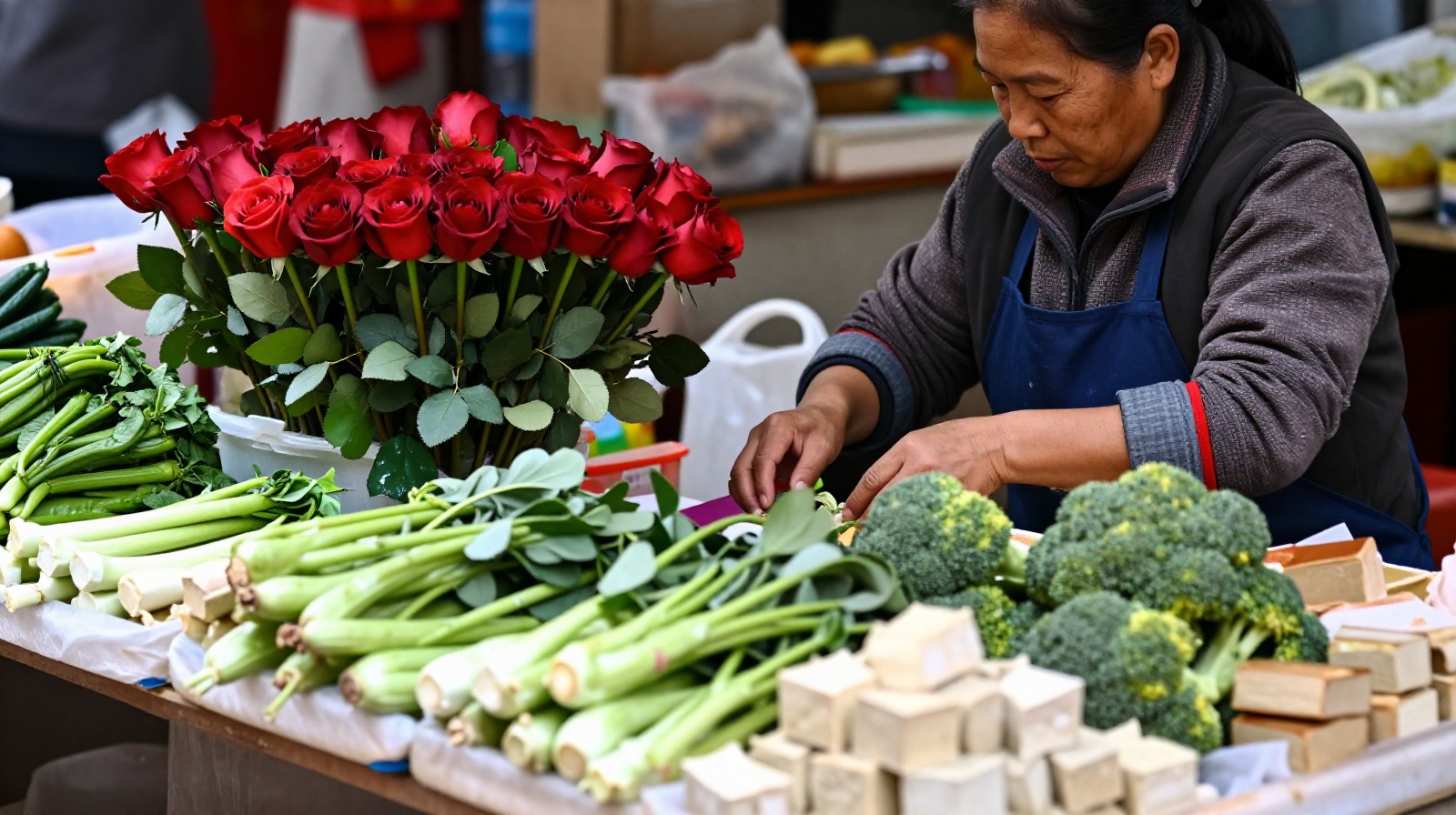
In most parts of the world, a red rose is strictly for romance or decoration. You might see them in a vase on a dining table, but you would never dream of eating one. Walk into any supermarket in Kunming, the capital of Yunnan Province, however, and the scene flips completely. There, rows of fresh roses sit alongside broccoli and pork at prices comparable to leafy greens.
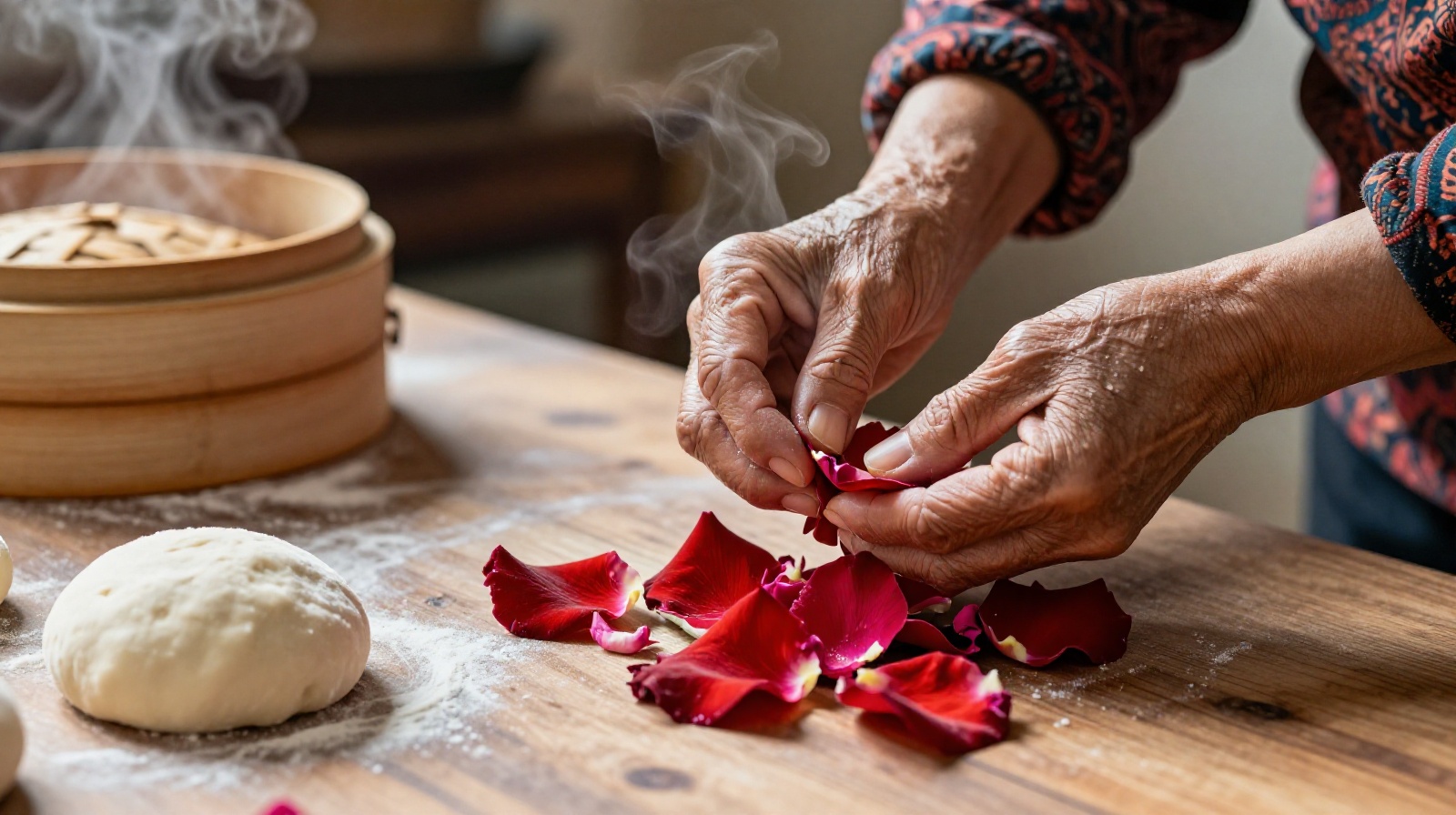
I first saw this in a small market stall near my home in Dali. An elderly woman was peeling the outer petals off bright red flowers, her hands moving with practiced speed. “These are for breakfast,” she told me, tossing the cleaned petals into a steamer basket. “Today, we’re making rose cakes.”
From Garden to Pan: The Yunnan Difference
Yunnan’s ability to grow edible roses year-round is due to its unique geography. Located on the “Roof of the World” but blessed with a mild, subtropical climate in many valleys, the province offers perfect conditions for these delicate plants. Unlike the long winters of Europe or North America, Yunnan’s weather allows flowers to bloom continuously.
But this isn’t just about availability; it’s a deep-rooted cultural habit. For centuries, locals have viewed nature as a direct pantry. If it grows wild or in a garden and is safe to eat, it belongs on the table. This philosophy extends far beyond roses to include daylilies, moss, and even certain types of fungi.
What Does It Taste Like?
The most common question from foreigners I meet here is simple: “Does it taste like perfume?” The answer is a firm no. When cooked properly, the flowers lose their sharp floral scent and transform into something earthy, sweet, and surprisingly savory.
Take rose pancakes. You start with fresh petals, wash them thoroughly, then mix them with flour, sugar, and sometimes a little lard. The result is a cake that looks like a simple yellow pancake but bursts with a soft, jam-like texture in the middle. It’s not cloying; it has a subtle floral note that pairs perfectly with the crisp skin.
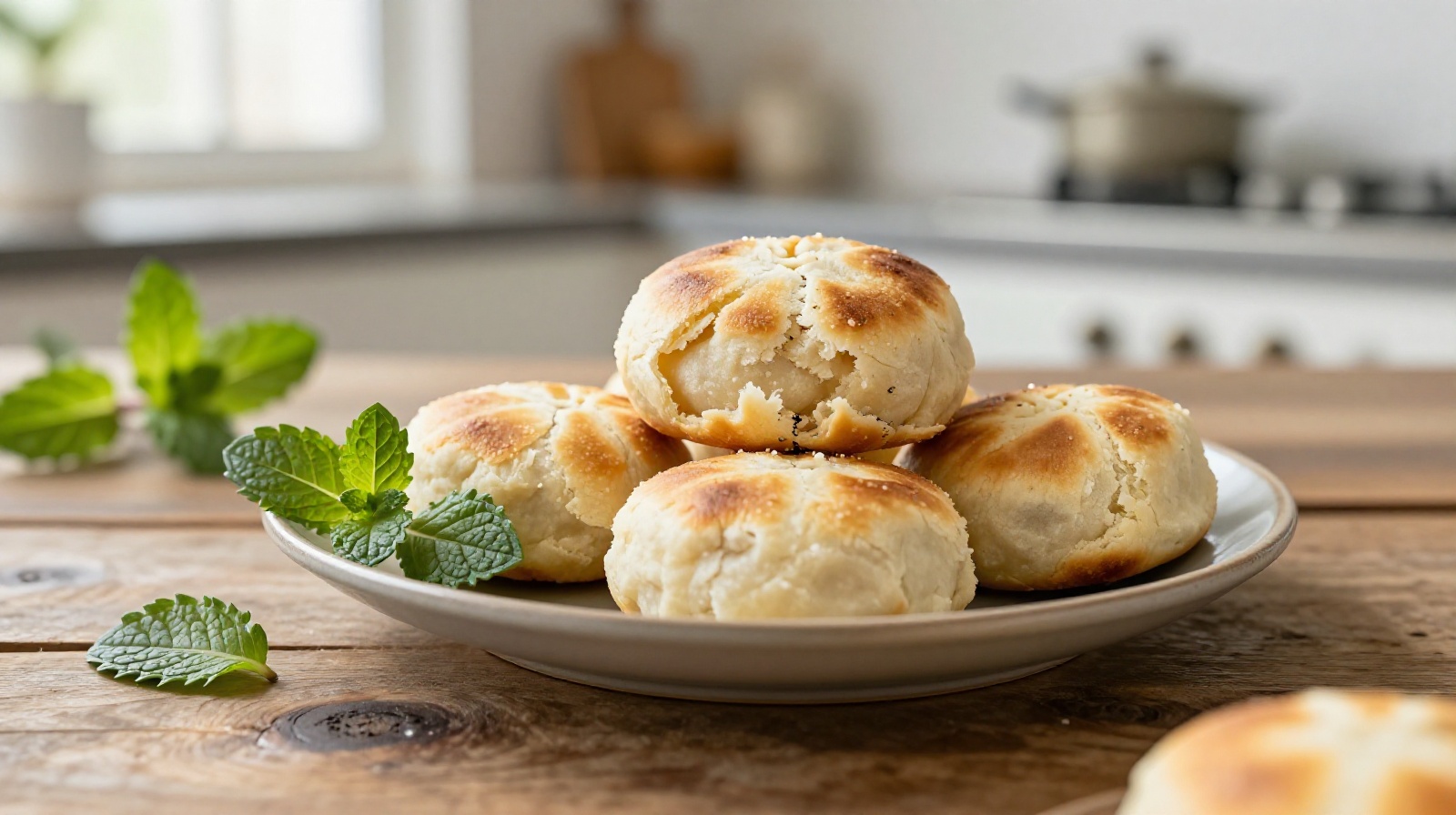
Then there are stir-fried rose petals, often served as a side dish with eggs or tofu. The heat of the wok softens the petals, making them tender like spinach but with a distinct crunch and a lingering sweet aroma that cleanses the palate between bites.
A Modern Tradition
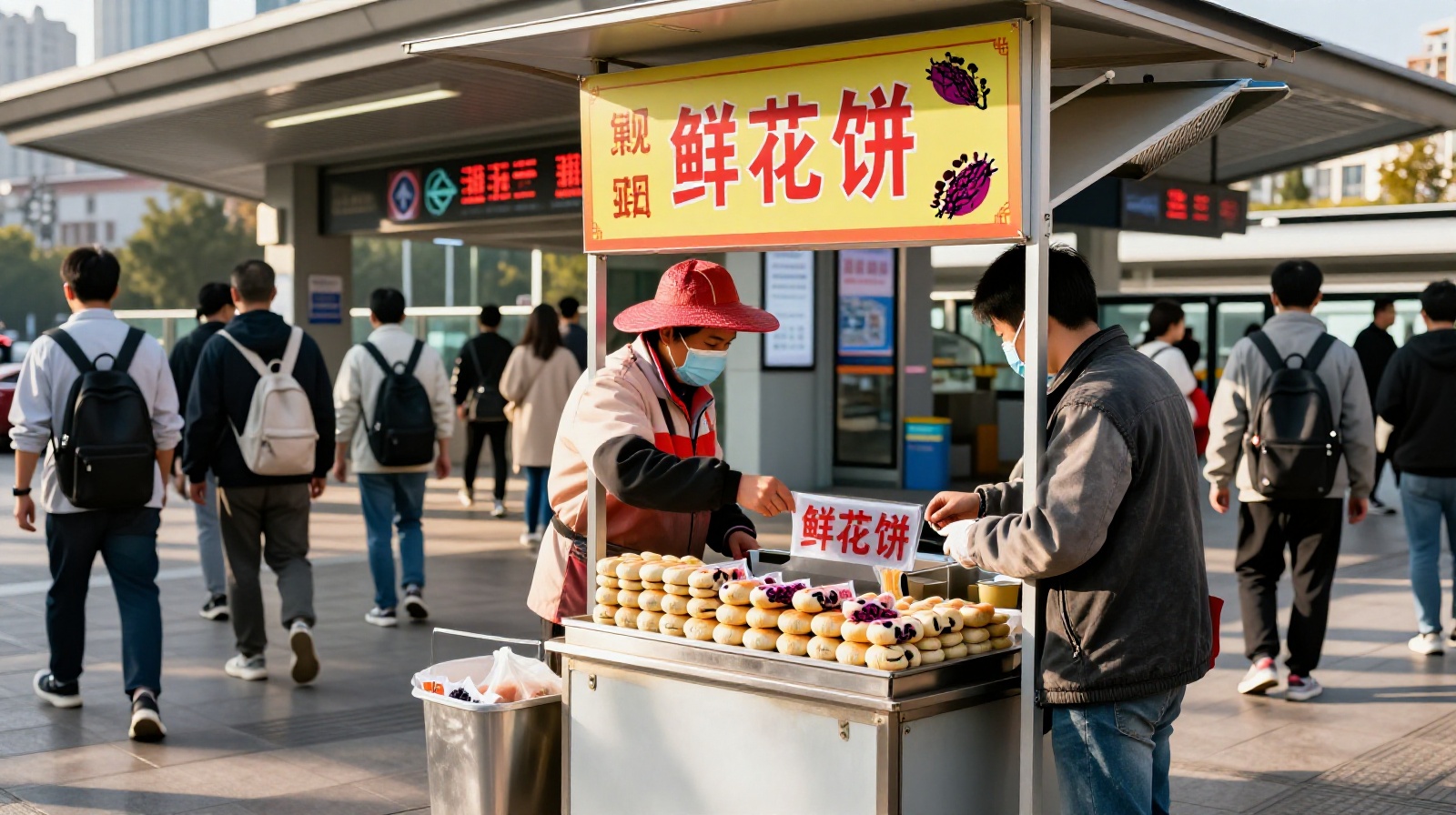
This isn’t an ancient relic stuck in history books. It is a living, breathing part of modern Yunnan life. In the evening, you can find vendors selling rose pastries on street corners near subway stations. Young people buy them as snacks while commuting to work. Even high-end restaurants in Kunming feature “Rose Tea” or “Crystal Rose Dumplings” on their menus, blending traditional flavors with contemporary presentation.
The industry has also grown. Local farmers now cultivate specific varieties of roses purely for eating, known for their thick petals and low bitterness. These are often harvested early in the morning to ensure peak freshness before being sold to local markets or processed into rose jam and honey.
More Than Just Food
Eating flowers in Yunnan is a reminder of how humans can coexist with nature without destroying it. It represents a mindset where the boundary between a garden and a kitchen is porous. While other cultures might reserve roses for special occasions, Yunnan locals treat them as an everyday comfort.
Next time you see a rose, pause for a second. In most places, it stays in the vase. But in Yunnan, it might just become your next meal. It’s a small detail that tells a big story about how life is lived here: practical, connected to the land, and surprisingly delicious.