
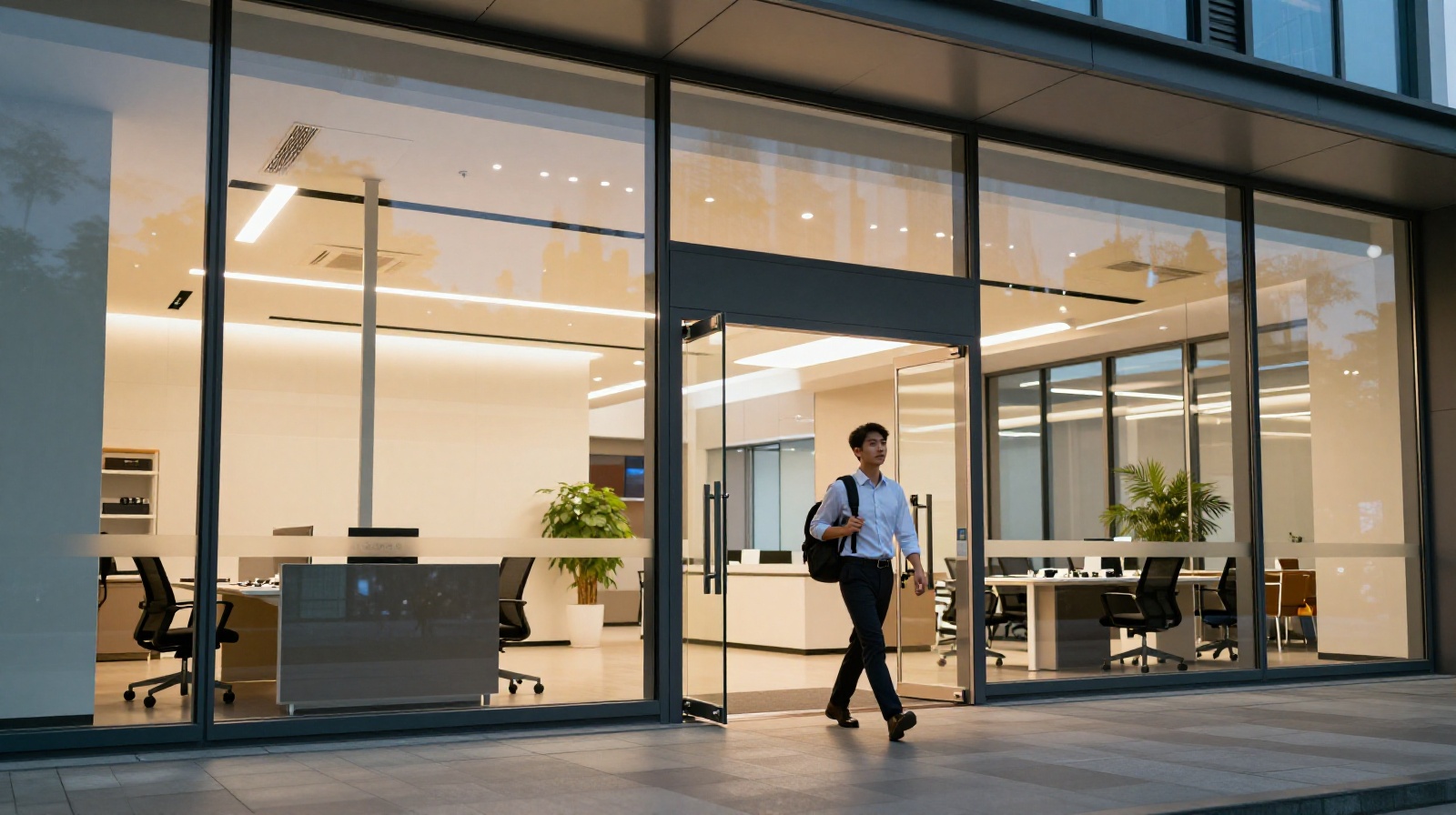

Shenzhen, 8:45 PM: The Lights Go Out
The fluorescent hum of the open-plan office in Nanshan District is finally breaking. Li Wei, a 28-year-old UI designer, packs his bag with a speed that feels like a sprint. He isn’t rushing because he’s behind; he’s leaving because today was Friday at 6 PM sharp.
Five years ago, this same office would have been lit up until midnight. The code review meetings dragged on past dinner. Snacks and coffee were replaced by instant noodles and energy drinks. This was the era of 996: working from 9 am to 9 pm, six days a week.
Back then, it was an unspoken rule in China’s tech industry. A senior executive once famously called it “a blessing.” But today, Li is walking out at a reasonable hour, heading home to cook dinner for his wife and two-year-old daughter. He represents a growing demographic that is quietly rewriting the social contract of work.

What Was 996?
To understand the shift, you first need to grasp the scale of what was lost. The term 996 refers specifically to a schedule starting at 9:00 AM and ending at 9:00 PM, six days a week.
It wasn’t just about long hours; it was an ecosystem. Employees slept in small cubicles provided by companies. They ate meals at their desks because leaving meant being seen as “not dedicated.” For over a decade, this grind fueled China’s digital dominance, creating unicorns like Alibaba and Tencent. But the cost was paid in human capital: chronic fatigue, burnout, and a plummeting birth rate among young workers.
Many millennials felt trapped. The narrative was simple: work harder now to get rich later. But as housing prices soared and entry-level salaries stagnated, that promise began to feel hollow. Why sacrifice your 20s if you can’t afford to buy the apartment in your 30s?
The Legal Turning Point
For years, complaints about 996 were met with silence from regulators or were dismissed as “internal company culture.” That changed in late 2021.
China’s Supreme People’s Court and Ministry of Human Resources issued a joint statement explicitly declaring the 996 schedule illegal. They clarified that working such hours violates labor laws, regardless of whether employees signed agreements agreeing to it. This wasn’t just a suggestion; it was a signal from the top that the state prioritized social stability over unchecked corporate expansion.
Since then, enforcement has tightened. In 2024, major tech giants have been fined for overtime violations. The “forced” culture of staying late is fading in many large firms. It’s no longer a badge of honor; it’s becoming a legal liability and a reputational risk.

The Great Resignation: From Code to Coffee
Legal rulings are one thing; personal choices are another. The most visible sign of change is happening on the ground, in the coffee shops and co-working spaces of Shanghai and Chengdu.
Take Sarah, a former backend engineer who quit her job at a Beijing startup last year. She didn’t switch to another tech firm. Instead, she moved to Chengdu, a city known for its slower pace, lower cost of living, and strong tea culture. She now works as a freelancer on international projects.
“I made less money,” Sarah admits over the sound of pouring water in a local teahouse. “But I sleep eight hours a night. I watch my parents grow old without missing it. I am not fighting for every extra dollar at the expense of my life.”
This is the “Tang Ping” (lying flat) phenomenon evolving into something more active: quiet quitting or simply redefining success. Young Chinese are rejecting the race to the top. They are opting for stable, lower-paying government jobs, or shifting to gig economy roles that offer flexibility.
Social Media as a Megaphone
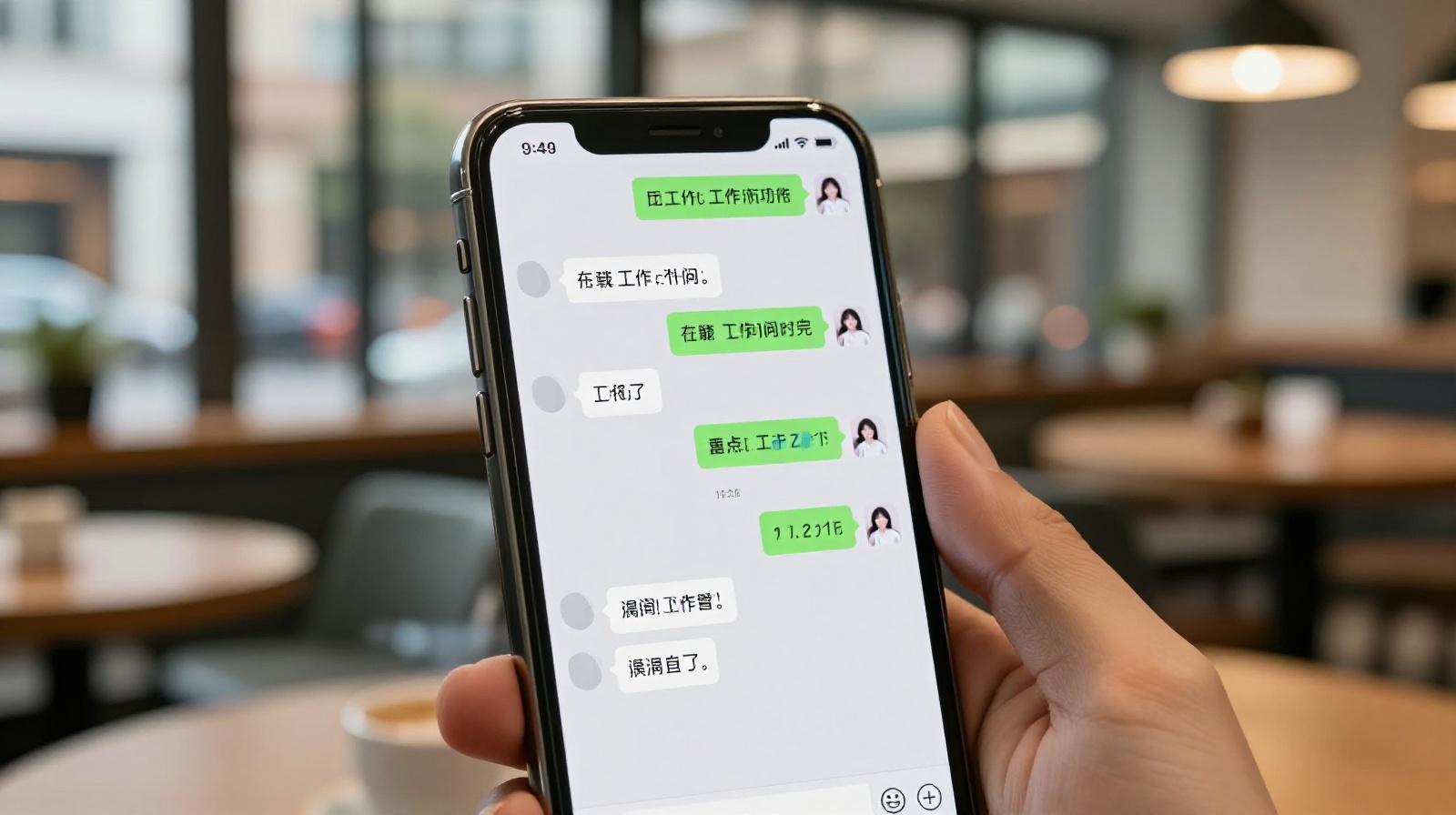
If there is one tool that accelerated this shift, it is social media. Platforms like WeChat, Xiaohongshu (Little Red Book), and Douyin (TikTok) have become public squares where the old work culture is dissected.
When a colleague posts about working until 2 AM on a Friday night, the comments section doesn’t offer congratulations anymore. It offers empathy, shared anger, or advice on how to file a complaint. Influencers who preach “hustle culture” are increasingly mocked. Conversely, content creators who share their weekends, hobbies, and family time are gaining millions of followers.
This digital visibility has created a feedback loop. Seeing others live differently makes the 996 lifestyle look not just exhausting, but unnecessary. It normalizes the idea that one’s identity shouldn’t be tied solely to one’s job title.
A Fundamental Shift or a Temporary Dip?
Is this trend sustainable? The economic pressure on China remains high. With youth unemployment hovering around record highs, many young people still feel they have no choice but to grind for survival.
However, the cultural tide has turned. The government’s recent push for “high-quality development” over pure speed acknowledges that a burnt-out workforce is not productive in the long run. The rise of the middle class also means consumers are demanding better services and products, which often requires creative energy rather than just sheer hours.
Li Wei, who left his office at 6 PM, believes this change is permanent. “We used to think we had to sacrifice our lives to build China’s future,” he says, locking the door behind him. “Now we realize that a happy life is part of that future.”
The era of blind overwork may be ending in China. The new definition of success is no longer about how late you stay at the office; it’s about whether you have time to live outside of it.