
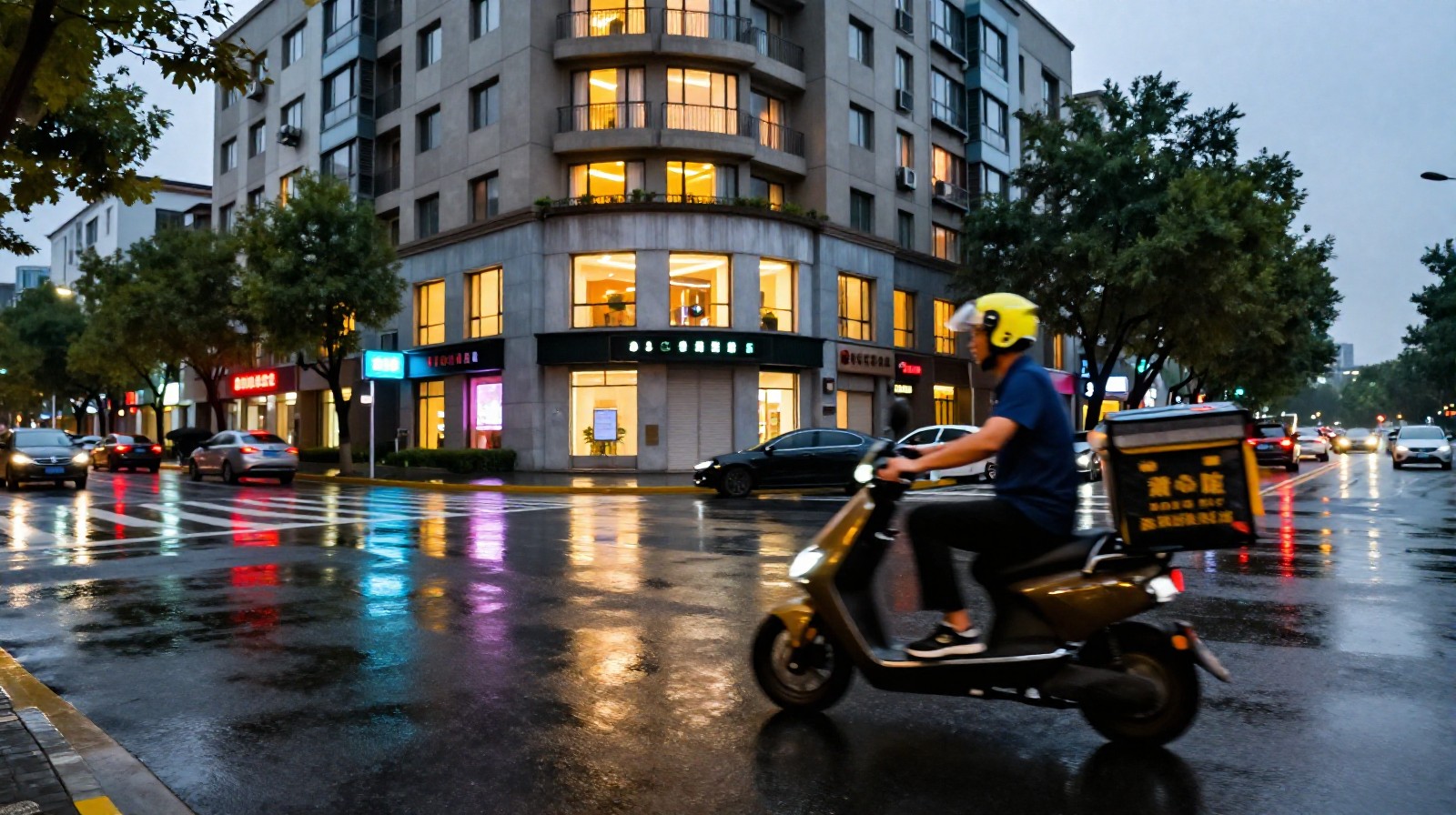

A Tuesday Night in Beijing: The Race Against Yourself
It was a rainy Tuesday night. I had just come home from work, exhausted, and the last thing I wanted was to cook. So, I opened an app on my phone. “Hot pot,” I typed. Specifically, a set for two with spicy broth, lamb slices, and enough vegetables to feed a small army.
I expected 45 minutes. That’s the standard in London or New York. But here? The app said: “Estimated arrival: 28 minutes.” I laughed. “Twenty-eight,” I told myself. “That’s impossible. They still need to pick up the ingredients, cook the broth, and drive all the way across the city.”\p>
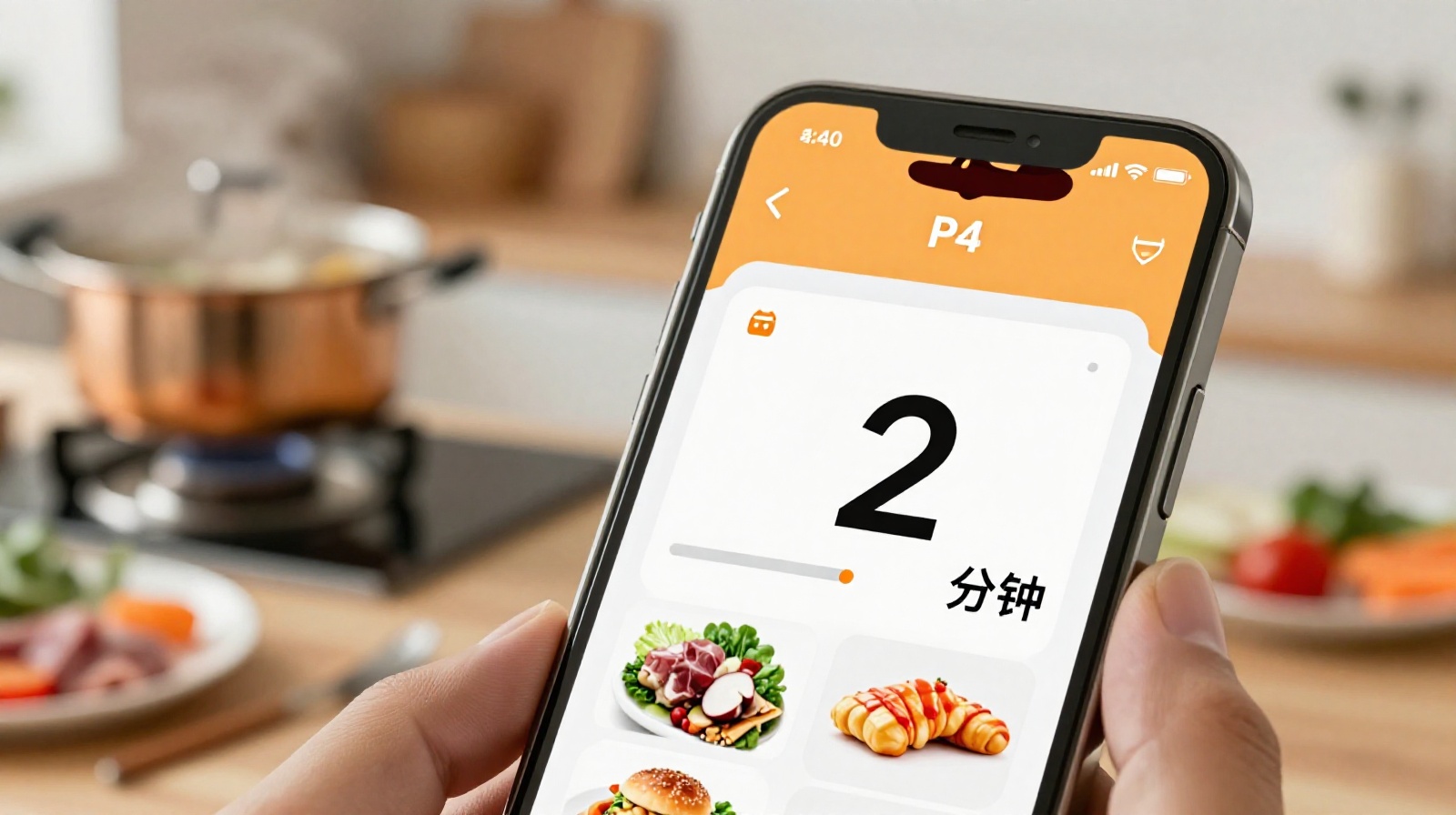
I went to the kitchen to wash the pot. Then I started chopping green onions. Then I realized my phone had a notification: “Rider is 2 minutes away.”
I dropped my knife. The rider wasn’t just near; he was already at the door before I could even put on my slippers.
This isn’t a glitch in the matrix. It’s a Tuesday night in Beijing, and it highlights something fascinating about modern China: China Speed isn’t just a slogan for high-speed trains or supercomputers. It’s the rhythm of your dinner.
Decoding ‘China Speed’: More Than Just Fast Bikes
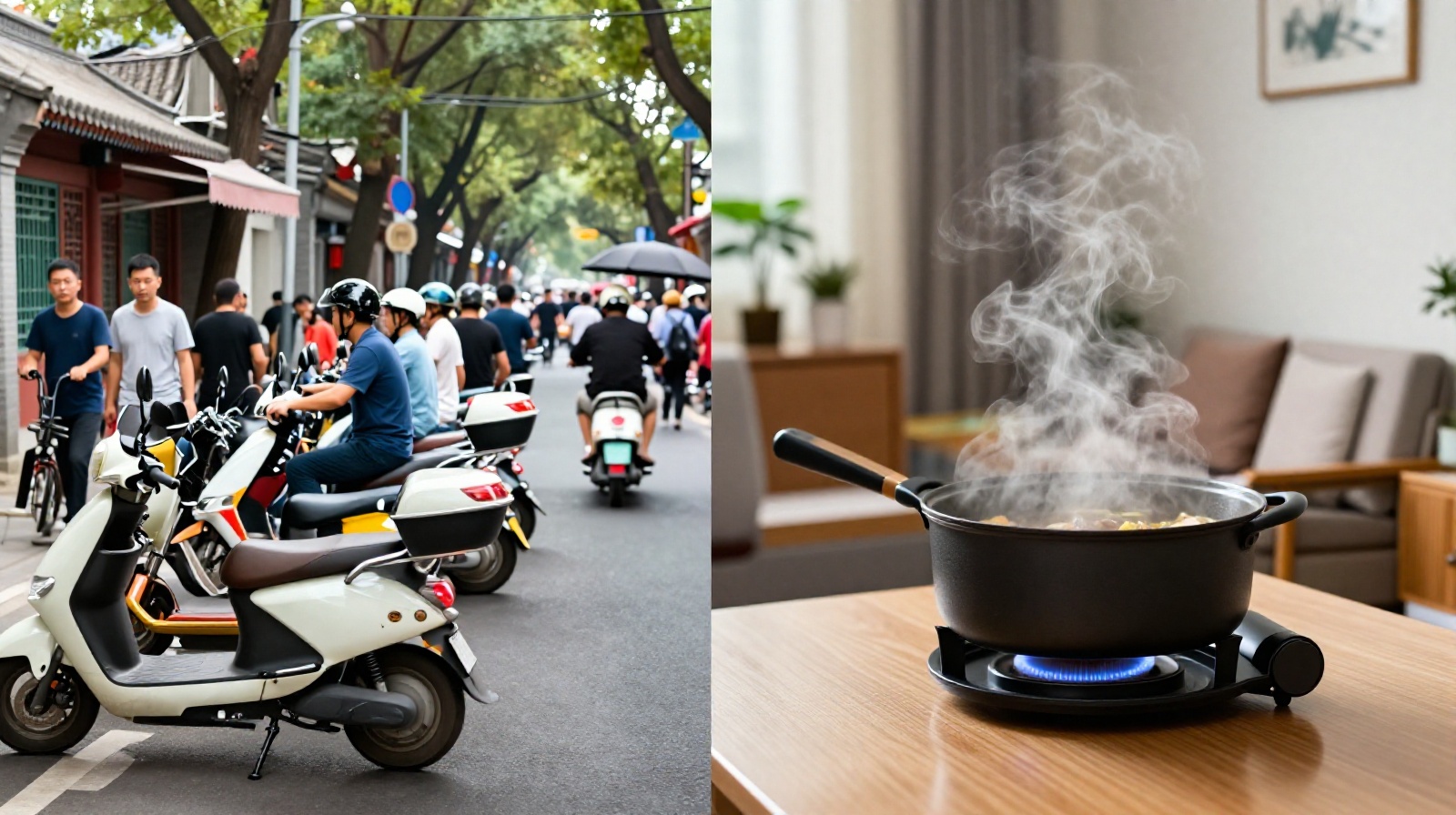
If you look at the rider, he’s not racing on a motorcycle like in action movies. He’s on a sleek electric scooter, weaving through traffic with a precision that feels almost supernatural.
The secret isn’t just his legs or the motor. It’s the invisible brain behind him: an algorithm so complex it can predict your hunger before you order. This is logistics technology at its peak.
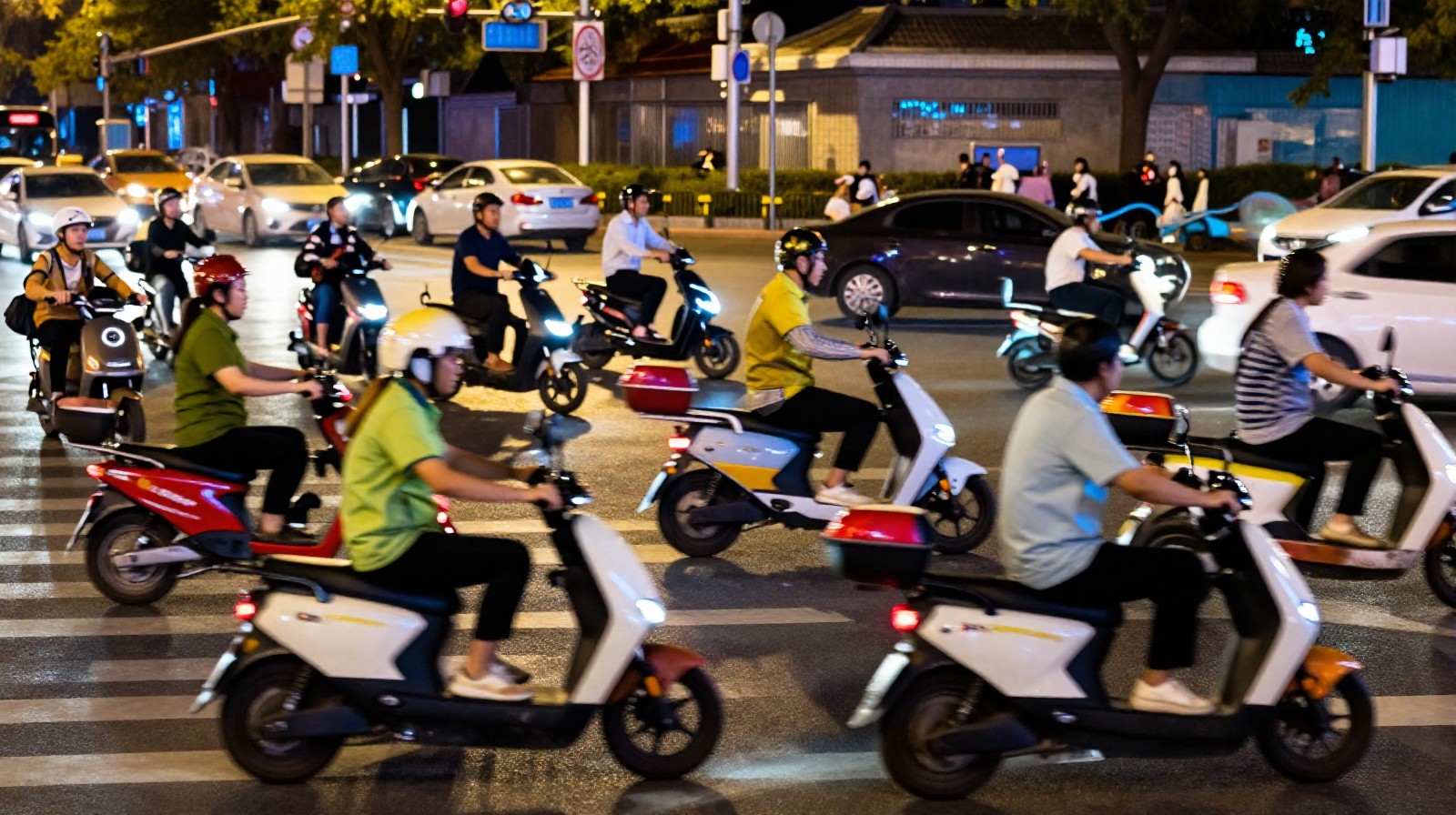
Here in Beijing, millions of riders operate on a system that optimizes every second. The app doesn’t just send one rider to your door. It groups orders from nearby restaurants and coordinates drop-offs so the rider doesn’t waste time circling buildings looking for elevators or waiting for security checks. They use smart locks to leave food in apartment lobbies if you aren’t home, and dedicated bike lanes that cut through traffic jams.
Then there are the 24/7 convenience stores. In many Western cities, you’re stuck until 9 PM or midnight. In China, these tiny shops are everywhere. They act as micro-hubs for food prep, allowing restaurants to batch-cook dishes and hand them off instantly.
The Human Behind the Screen: Meet Xiao Chen
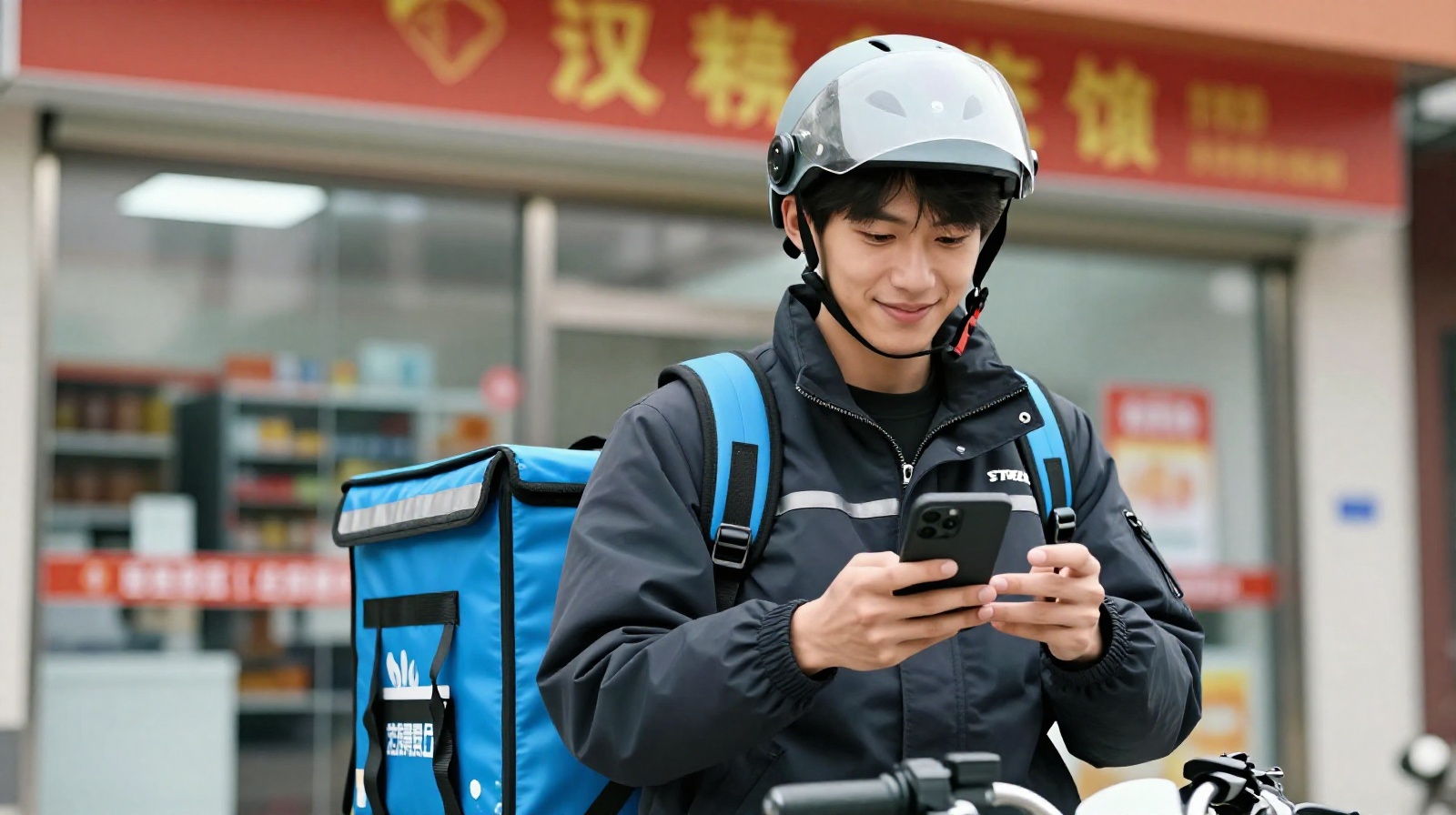
So, who is the person making this magic happen? Last week, I caught up with a rider named Xiao Chen. He’s 26, from Henan province, and he delivers about 40 orders a day.
“People think it’s all easy money,” Xiao told me, wiping sweat off his forehead while checking his phone. “The pressure is real. The algorithm tells you exactly how long you have to get to the next customer. If you’re late, your rating drops, and your pay gets cut.”
But there’s a pride in it too. In China, this gig economy isn’t just about survival; for many young people, it’s a way to balance work and life, or even a stepping stone. Xiao earns enough to send money home and save for a future apartment. He knows the city better than anyone. He can tell you which alleyway is shortcutting five minutes off your trip and which restaurant always gives free extra eggs.
For urbanites like me, working 12-hour days in office towers, this service isn’t just convenient; it’s a lifeline. It allows us to eat hot pot at 9 PM without the guilt of “cooking” time eating into our sleep hours.
Real Benefits and Real Frictions
It’s not all smooth sailing, though. The speed comes with costs that Western media often misses.
Locals love it for the convenience. Single workers can eat well without cooking. Elderly people who don’t know how to use smartphones get meals delivered by their children or neighbors who order on their behalf. In a city of 21 million people, this system keeps the population fed and connected.
But there’s friction. The same technology that makes us faster also creates chaos for pedestrians and drivers. Traffic is often gridlocked because thousands of scooters are moving at once. Safety is a concern; accidents happen when riders rush against red lights to beat a timer. It’s a high-stakes game where the rules are written by code, not traffic lights.
What This Means for Global Readers
So, what do you take away from this? When people talk about urban life in China, they often focus on skyscrapers or the Great Wall. But the real story is in the delivery apps.
This system shows how deeply technology has integrated into daily life. It’s not just about buying things; it’s about time itself being optimized. For a global reader, this offers a glimpse into a future where logistics are invisible, seamless, and incredibly fast.
The next time you order food in the West and wait an hour, remember: In Beijing, the rider might be knocking on your door before you’ve even finished setting the table. It’s absurd? Yes. Is it real? Absolutely.