
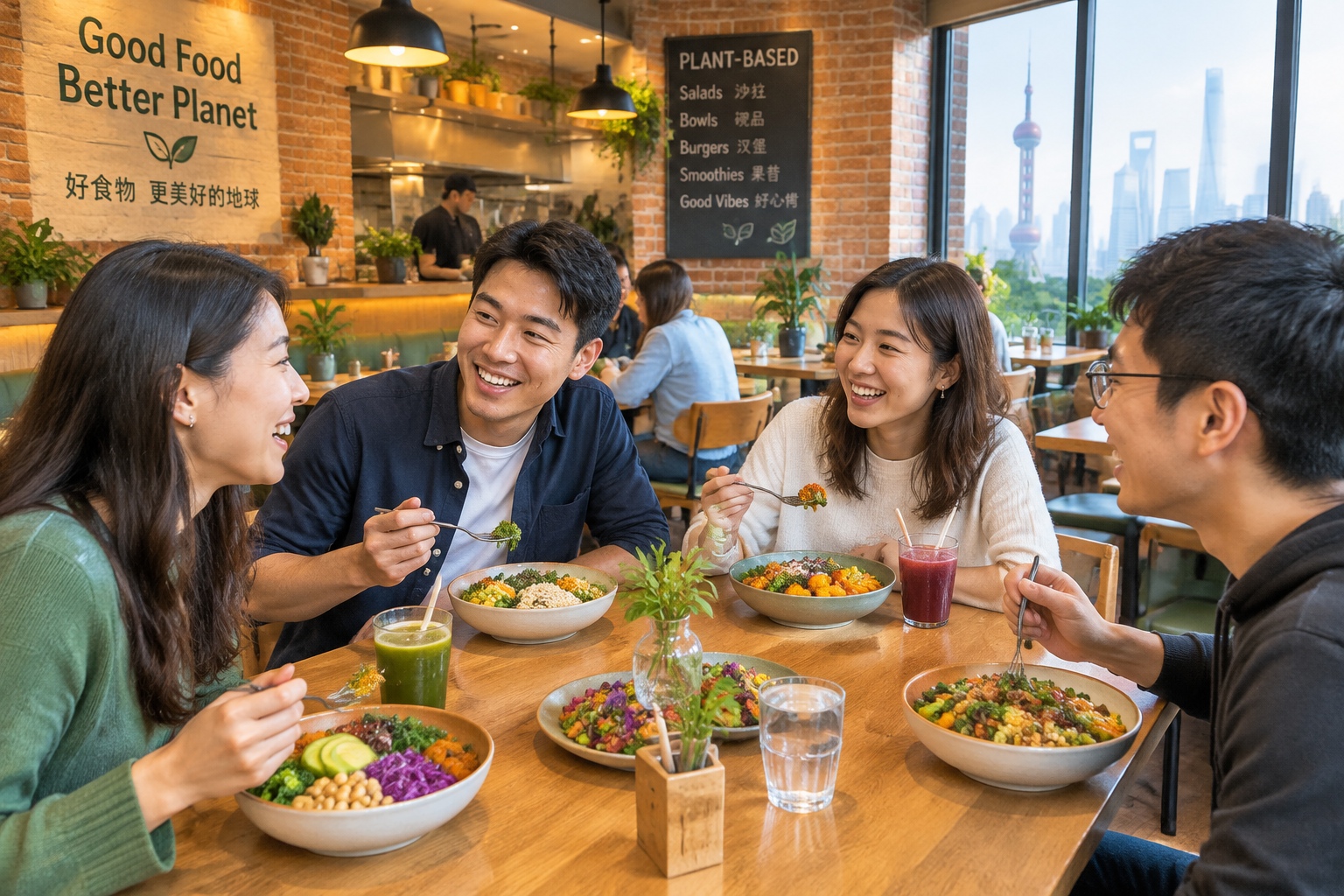

A Late-Night Surprise in Jing’an
It’s 10:30 PM on a Friday night. You’re standing outside a bustling noodle shop in Shanghai’s Jing’an district, expecting the usual greasy pork broth or spicy beef. Instead, you see a line of young professionals ordering bowls of “scallion oil noodles” topped with crispy fried tofu skin and pickled vegetables.
There is no meat on the menu. In fact, this entire block has transformed into a hub for plant-based dining. This isn’t a temple kitchen serving simple porridge to monks; it’s a modern culinary scene where a 25-year-old marketing manager might trade their usual steak dinner for a “lobster” roll made from king oyster mushrooms and truffle oil.
The stereotype that vegetarianism in China is strictly religious or tied to Buddhist fasting days died out years ago. Today, it’s driven by health consciousness, environmental concerns, and a genuine love for culinary creativity.
When “Vegan” Means High-Tech Innovation
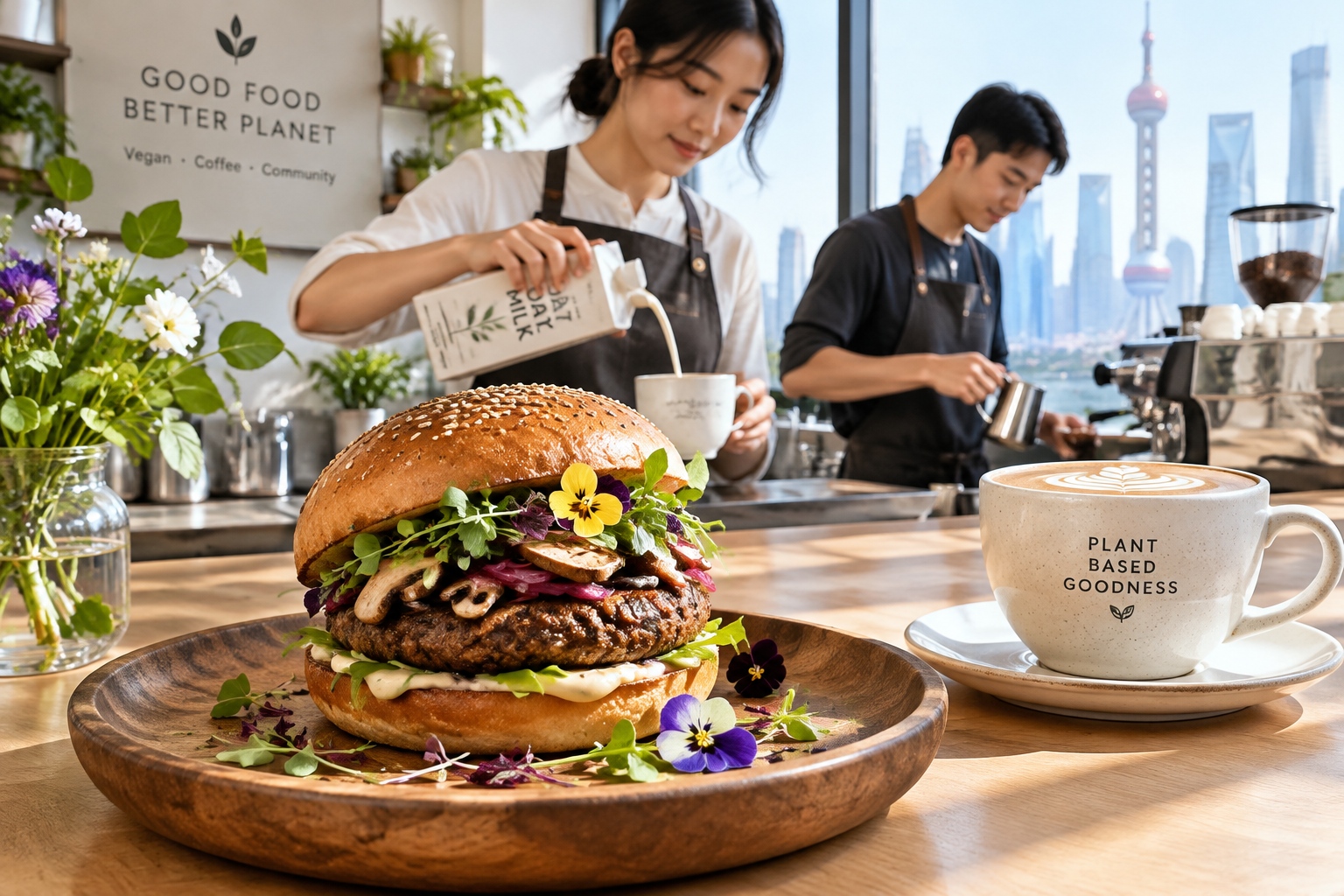
Climbing the stairs of a trendy cafe in Xintiandi, you might notice something odd: the menu lists prices higher than your local Starbucks. The coffee isn’t just organic; it’s paired with desserts made from algae-based creams and lab-grown milk alternatives that mimic dairy texture perfectly.
Shanghai has become a testing ground for global plant-based technology. Locally, restaurants like Veggie Garden or Zhi Wei Shi (though the latter is more traditional, new players are emerging) aren’t just serving stir-fried broccoli. They are using molecular gastronomy to create textures that fool your brain into thinking you’re eating meat.
I visited a popular spot last month called “The Green Lab.” The chef explained they use fermentation techniques developed in Shenzhen labs to turn soy and pea protein into something that looks, smells, and even bleeds like rare steak. It’s not just about ethics; it’s about the thrill of culinary innovation.
Why Young Shanghaiis Are Going Plant-Based
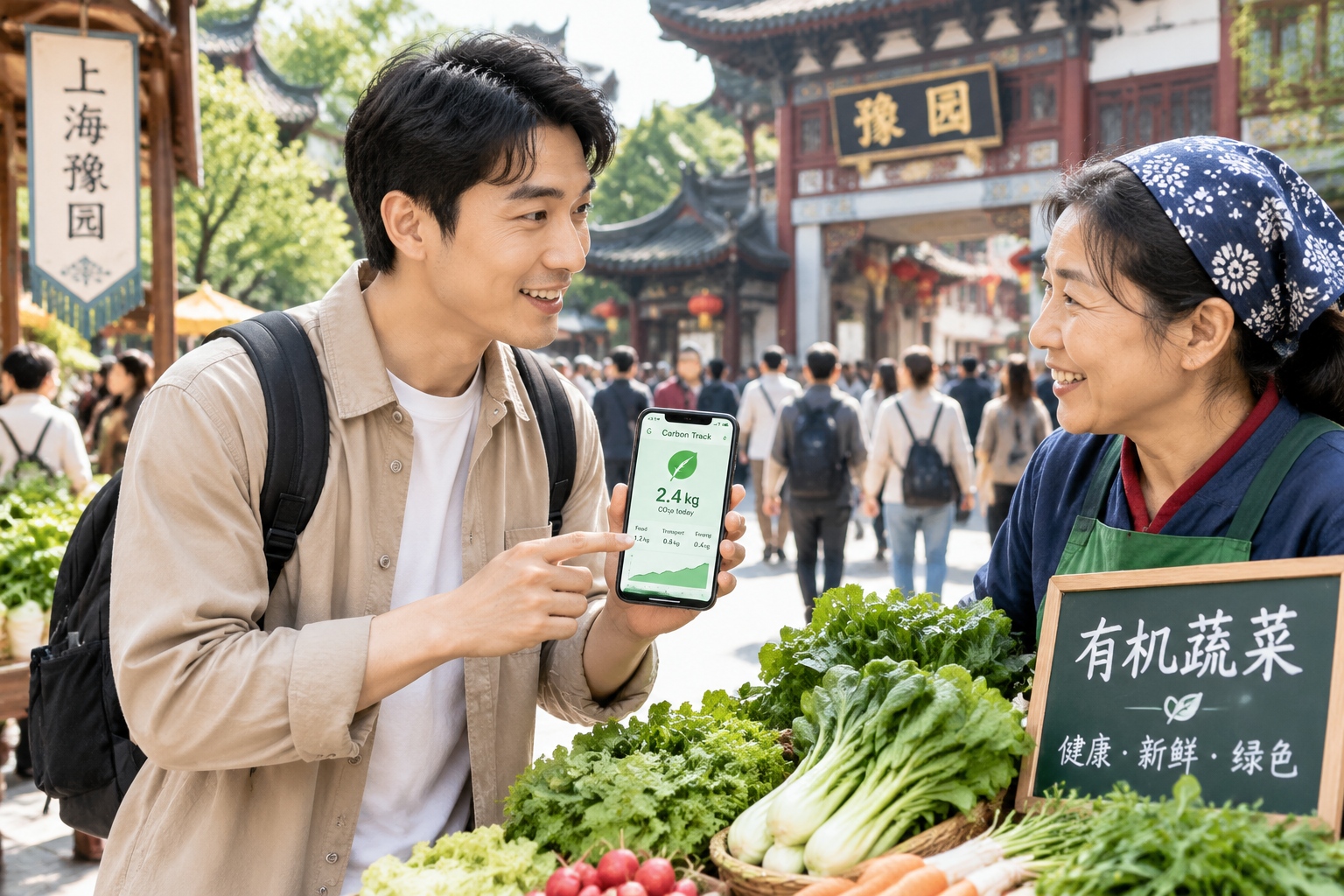
Meet Li Wei, a 28-year-old software engineer I met at a pop-up market in Yuyuan Garden. He has been vegan for three years. “In the past, going vegetarian meant you were either religious or couldn’t afford meat,” he told me, sipping an oat milk latte.
“Now, it’s about feeling good and doing good.” Li points to his phone, showing a carbon footprint tracker app that calculates how much water and CO2 he saved by skipping beef today. For many young Chinese professionals, this lifestyle is a direct response to the pollution they see in their cities and the desire for longevity.
It’s also becoming a social currency. At networking events or casual hangouts, knowing where to find the best vegan dumplings or mushroom-based hot pot is a badge of modernity. It signals that you are aware of global trends and care about sustainable living without sacrificing taste.
The Weekend Feast: A New Social Ritual
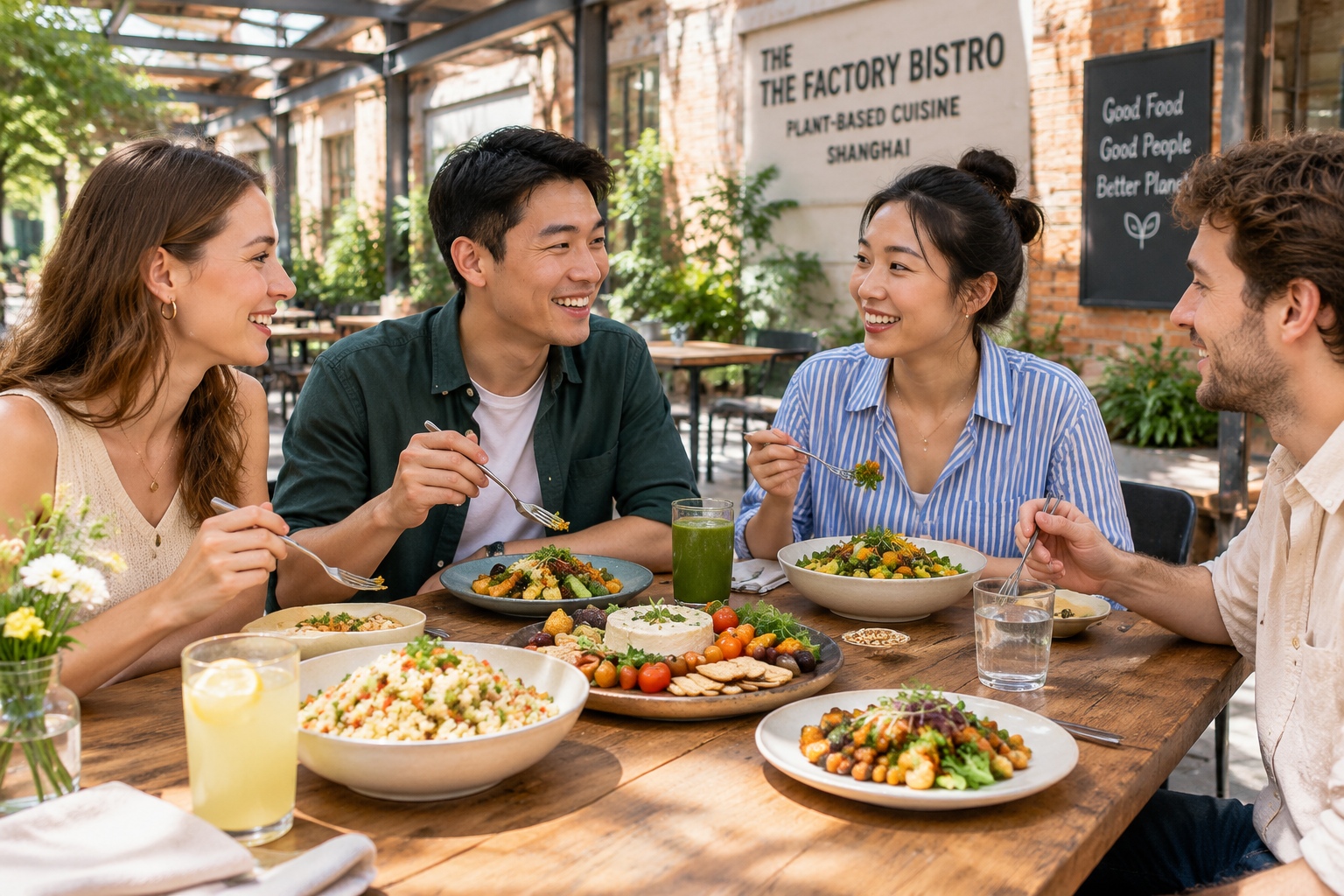
Imagine a Saturday afternoon in Shanghai’s French Concession. A group of friends gathers for brunch at a converted factory space turned into an open-air vegan bistro. The table is filled with colorful dishes: golden fried rice made from cauliflower, vibrant green pesto pasta, and a “cheese” board featuring fermented cashew spreads.
The atmosphere is electric. People are snapping photos not just of the food, but of the sustainable packaging and the zero-waste policy of the restaurant. The conversation flows easily between topics like climate change, fitness routines, and the latest tech gadgets.
This isn’t a solitary diet; it’s a community experience. In Shanghai, where life can be fast-paced and competitive, these gatherings offer a relaxed space to connect over shared values. The food is the icebreaker, but the connection is the real meal.
A Global Wave from the East
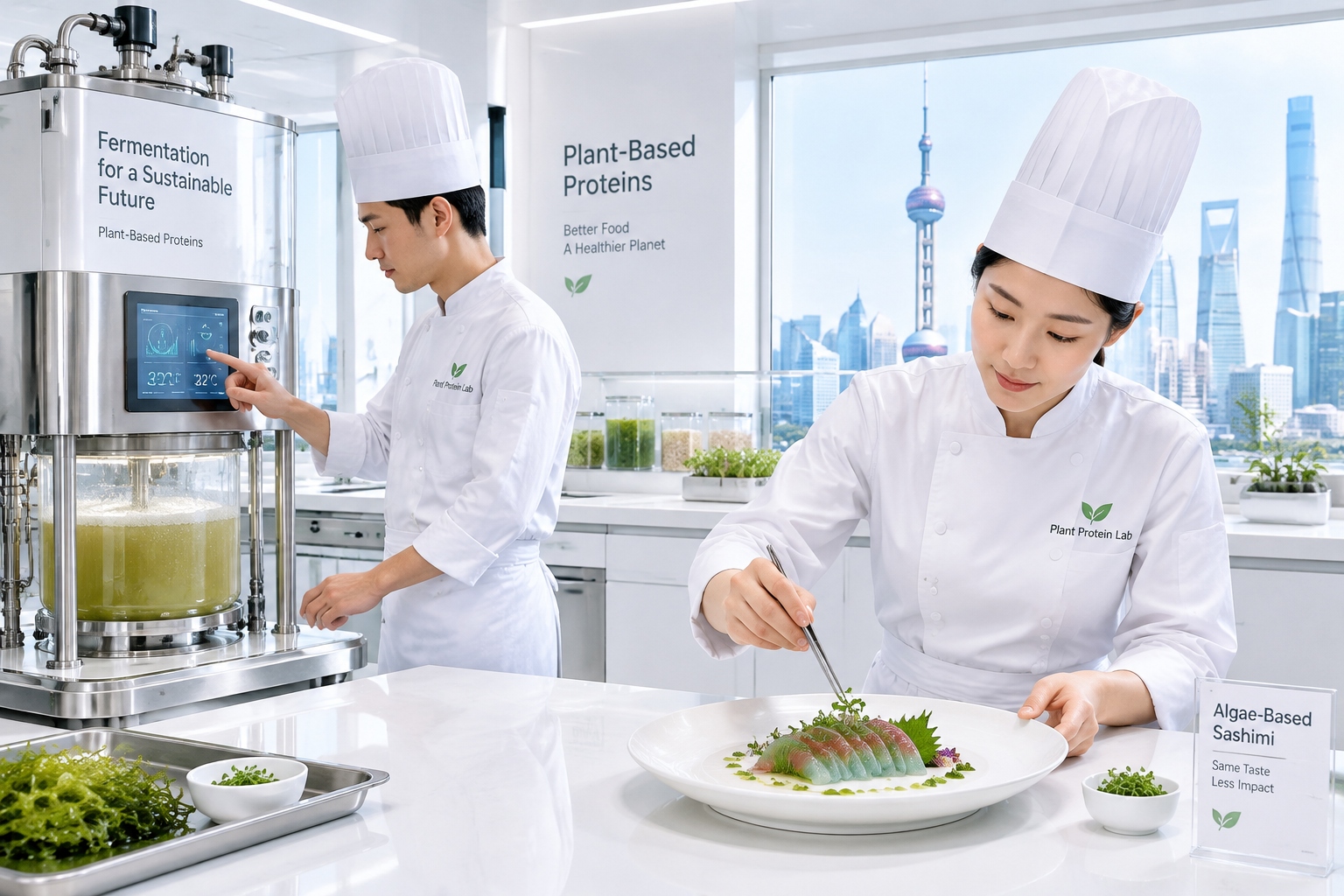
The impact of this shift extends far beyond Shanghai’s borders. Chinese companies are now leading the global charge in plant-based innovation. From massive investments in lab-grown meat startups to the export of unique fermented soy products, China is reshaping how the world thinks about alternative proteins.
For international visitors, this means a dining landscape that is more diverse and exciting than ever before. You no longer need to worry about finding “meat substitutes” that taste like cardboard. In Shanghai, you are likely to find dishes that challenge your palate in the most delightful way possible.
The future of food in China isn’t just about feeding a billion people; it’s about redefining what delicious means in an era of climate change. And for anyone willing to step out of their comfort zone and try a “meatless” meal in Shanghai, the journey is already underway.
Start the discussion at forum.chinacomes.com