

A June Morning of Held Breath
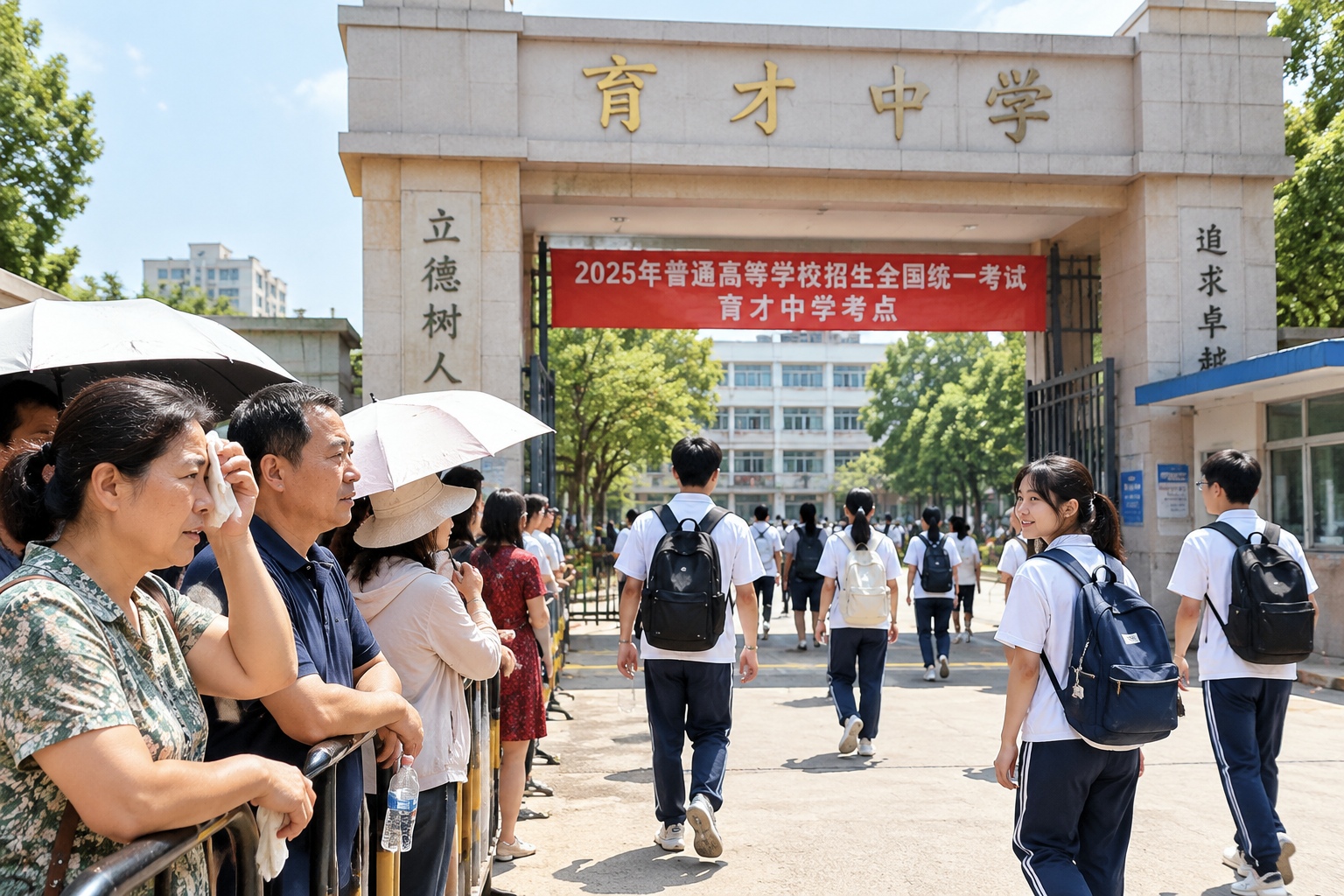
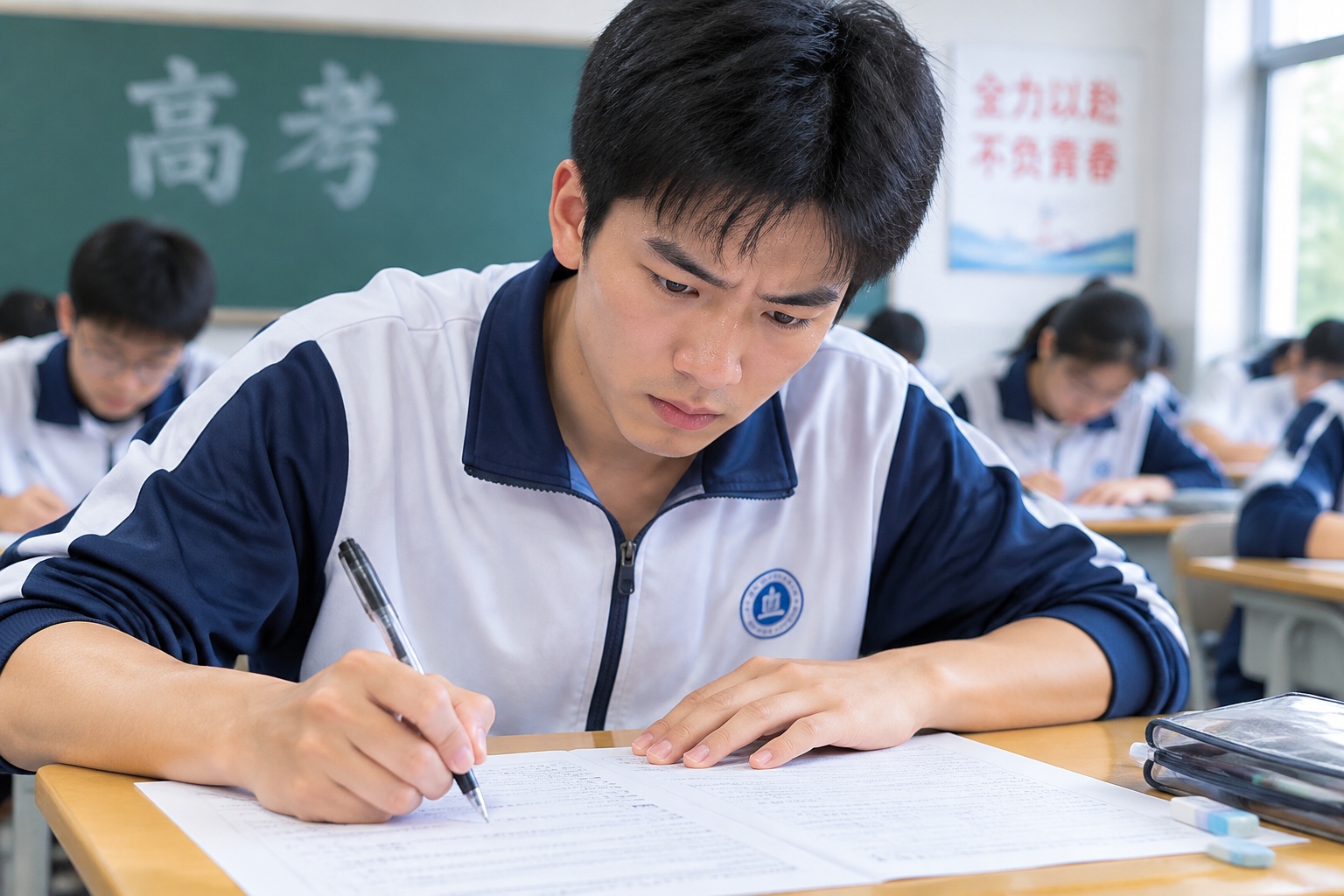
It is early morning in mid-June. Outside the iron gates of a typical high school in Henan province, hundreds of parents stand in the sweltering heat, clutching water bottles and lucky red underwear they bought for good luck. Inside, 18-year-old students sit in rows, their eyes fixed on the test papers that will determine their university placement. The air is thick with silence, broken only by the scratching of pens. This scene repeats across China every year, creating a national narrative: one exam, one day, and it determines your entire future.
Beyond the Score: A Changing Landscape
Li Wei, 20, is currently studying computer engineering at a mid-tier university in Chengdu. “I scored just enough to get into a decent school,” he admits. “My parents were devastated. They thought I would end up working in a factory.” Today, Li works as a junior developer at a tech startup, earning a salary that puts him ahead of many graduates from top-tier universities.
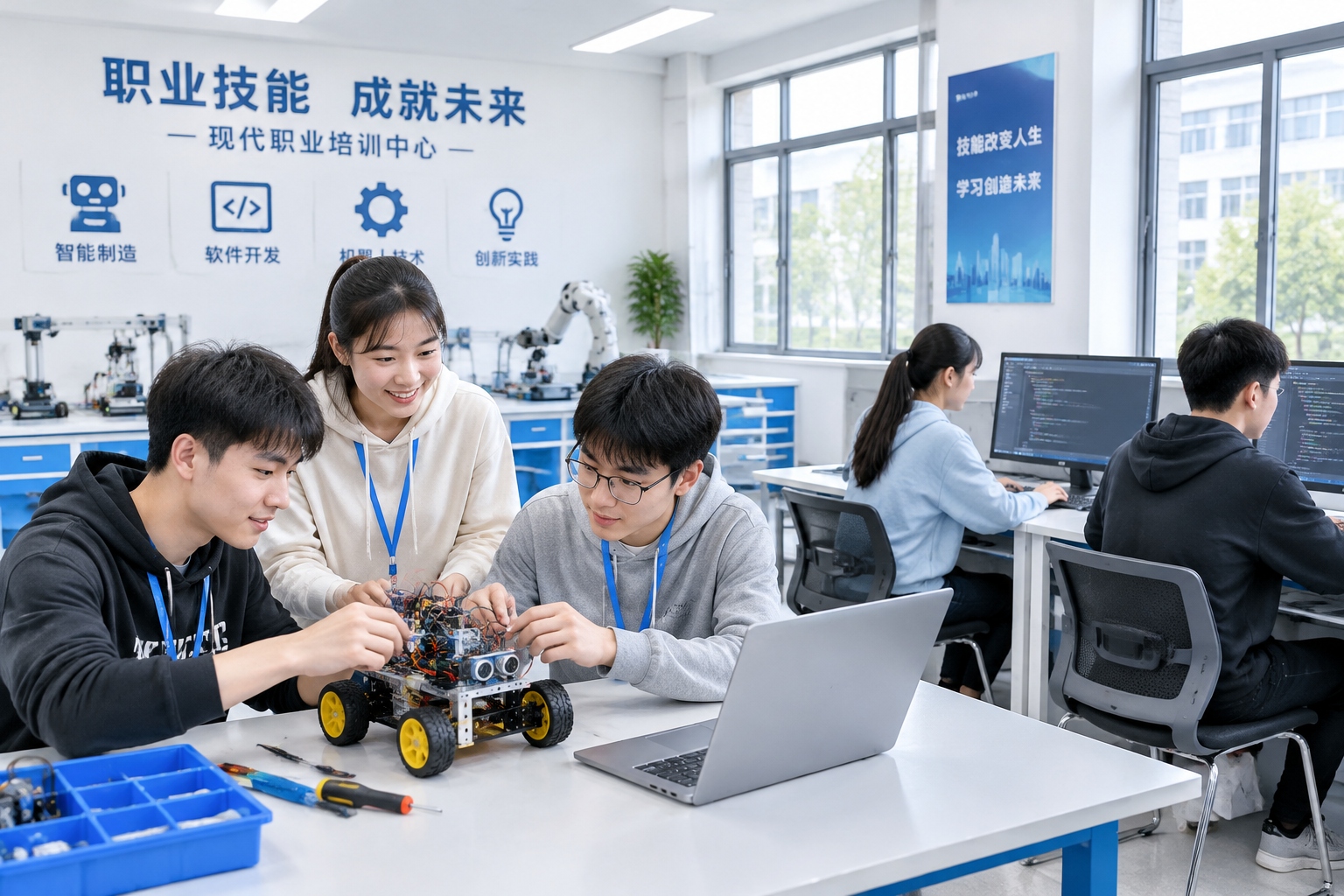
Li’s story is becoming more common. While the Gaokao remains a critical gateway to elite education, the rigid link between exam scores and life outcomes is loosening. In the past two decades, China has expanded its vocational training system significantly. Today, there are over 10 million students in higher vocational colleges, many of whom graduate with specialized skills in robotics, tourism, or digital marketing that are in high demand.
The Rise of Alternative Paths
For years, the phrase “one exam decides your fate” (一考定终身) was a cultural constant. But the reality on the ground is shifting. Zhang Min, 19, from a rural village in Sichuan, did not take the Gaokao. Instead, she enrolled in a vocational program for culinary arts and eventually studied abroad in France to specialize in fusion cuisine.
She represents a growing demographic: students who choose international education or entrepreneurship over the traditional university track. According to recent data, the number of Chinese students studying overseas has rebounded strongly post-pandemic, with many opting for shorter, more specialized programs rather than four-year degrees. Meanwhile, the gig economy and e-commerce platforms have created new avenues for success that do not require a prestigious degree.
Why the Anxiety Persists
If paths are diversifying, why does the anxiety remain so high? The answer lies in deep-seated cultural values. In Chinese society, education has long been the primary mechanism for social mobility. For families who have worked hard to lift themselves out of poverty, sending a child to university is not just about knowledge; it is about security and status.

The pressure is also structural. While top universities in China are world-class, the middle ground can be crowded. A degree from a “Double First-Class” university still opens doors that other degrees cannot easily unlock. However, employers are increasingly looking at skills rather than just pedigree. Tech companies and manufacturing firms often prioritize practical ability over exam rankings.
The Future is Pluralistic
The Gaokao is not disappearing. It remains a formidable challenge that tests discipline, memory, and endurance. For many, it is still the most reliable way to secure a foothold in society. But for others, the narrative is changing. The definition of success is expanding beyond just top-tier academic rankings.
As China’s economy shifts from manufacturing-heavy growth to innovation-driven development, the skills that matter are evolving. Coding, creative design, and cross-cultural communication are becoming as valuable as traditional test scores. The story of Chinese youth is no longer a single straight line; it is a complex map with many routes leading to different destinations.
In the end, the Gaokao is a milestone, not a destination. It marks a transition from childhood to adulthood, but it does not dictate what that adulthood will look like. The generation today is learning that while the road may be harder than before, there are finally more roads to choose from.
Start the discussion at forum.chinacomes.com