
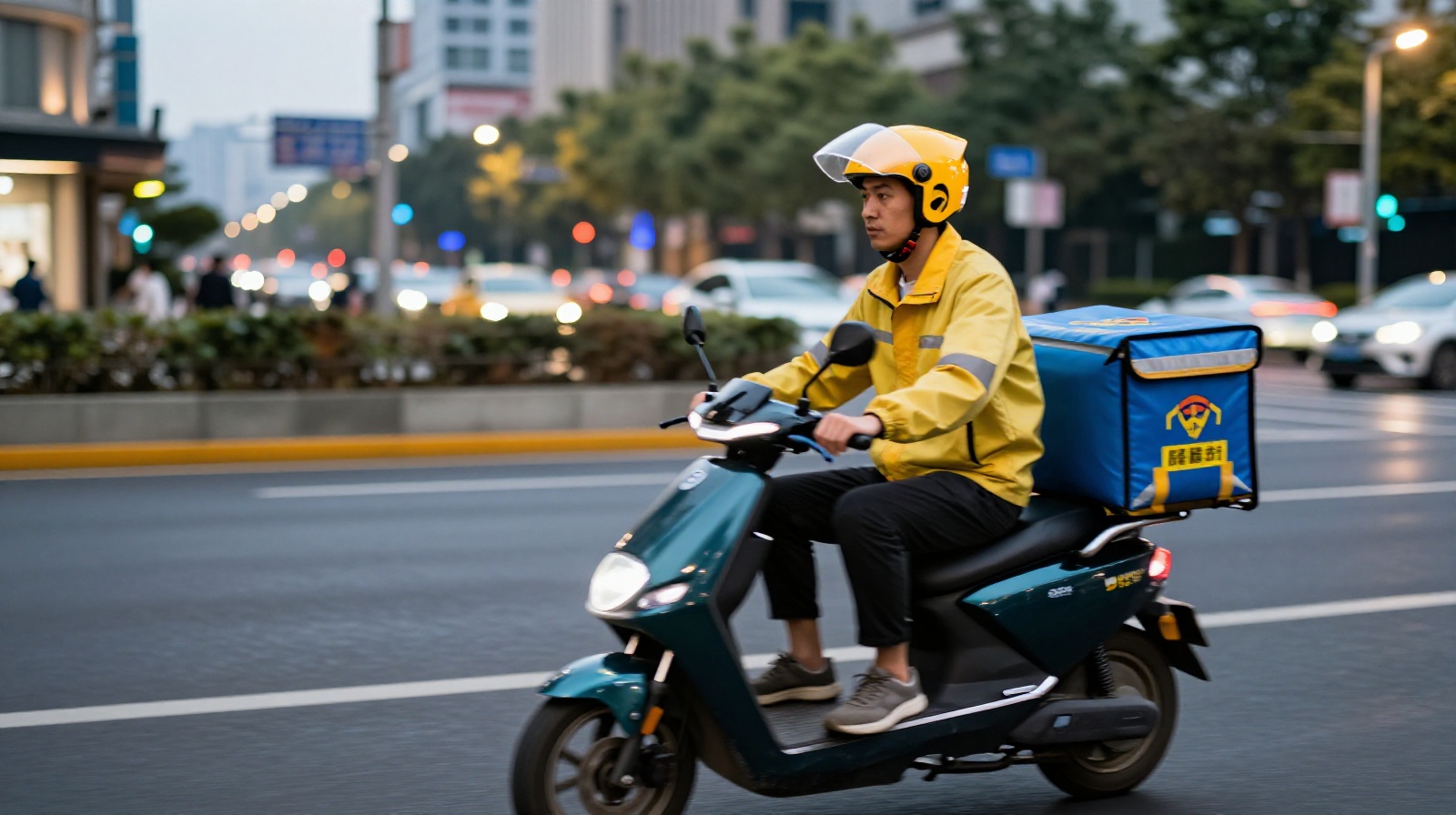

A Day in the Life of a Mobile Worker
At 6:30 AM, Li adjusts his helmet and checks his electric scooter’s battery. By noon, he will have traveled over 120 kilometers across Shanghai, delivering more than 40 orders. To an outsider, this is just another day of food delivery. But for Li, it is a high-stakes marathon where every second counts against a digital clock that never sleeps.
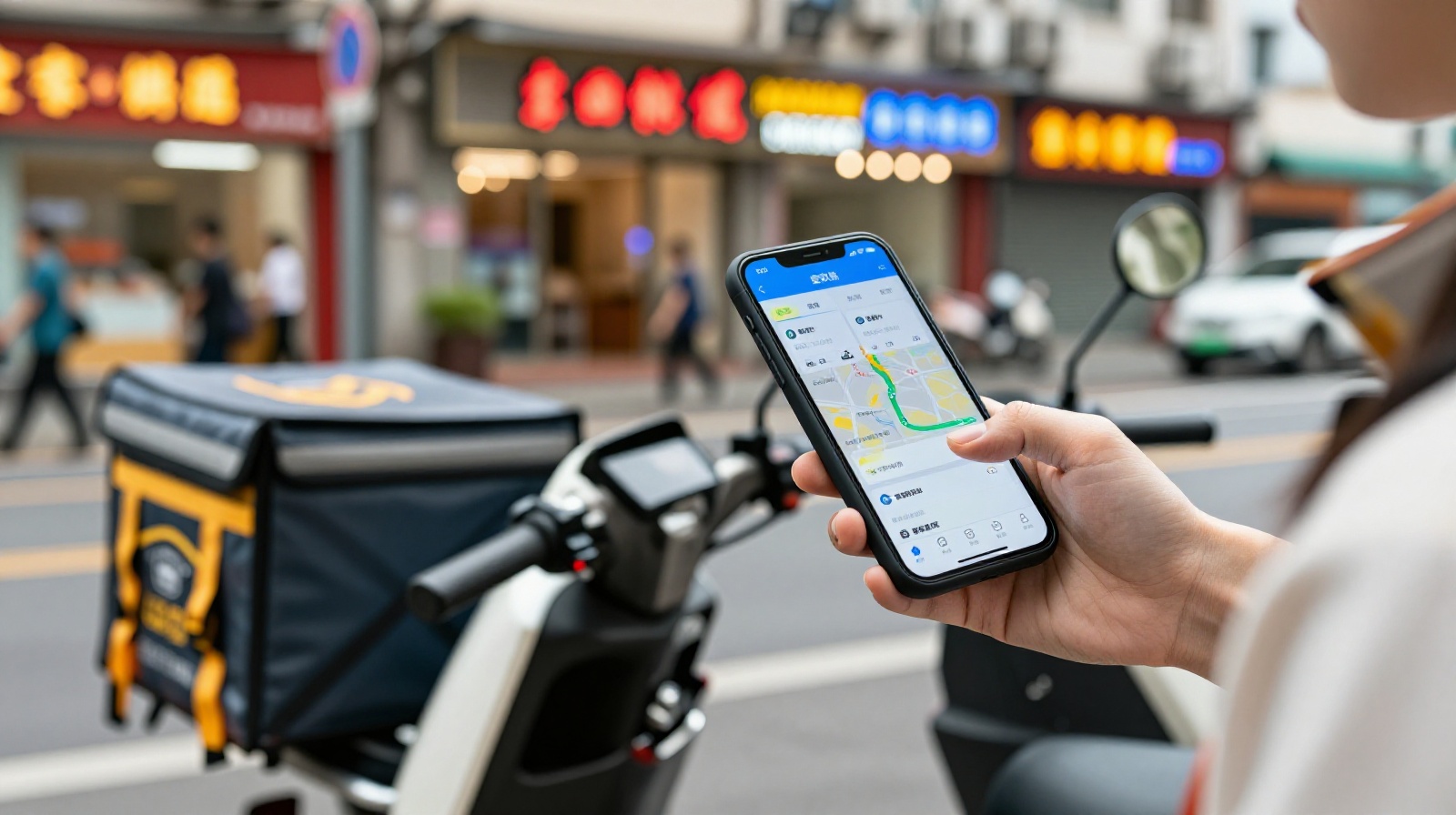
Li represents the backbone of China’s gig economy. According to recent reports from the Ministry of Human Resources and Social Security, there are over 30 million flexible workers in China, with delivery riders making up a significant portion. These individuals do not just transport food; they are the circulatory system of modern Chinese cities.
The Algorithm vs. The Clock
Li’s day is dictated not by a human supervisor, but by an app. When he accepts an order, the algorithm calculates the fastest route and assigns a strict deadline. “The system thinks 40 minutes is enough for three stops,” Li says, wiping sweat from his forehead during a lunch rush in Puxi. “But traffic lights, elevator waits, and building security checks often eat up 15 of those minutes.”
This tension between digital efficiency and human reality creates immense pressure. If he arrives late, even by two minutes, the platform deducts points from his rating. A low rating means fewer order assignments in the future. It is a system designed for optimization, but it often leaves little room for error or unexpected delays.
Navigating the Chaos
At 1:00 PM, the rain begins to fall. In Shanghai, sudden downpours are common in summer. Li slows his scooter, tucking the food order into a waterproof bag. The roads become slippery, and visibility drops. Yet, he continues. “I cannot stop,” he explains. “The customer is waiting for lunch. If I am late, their schedule is ruined.”
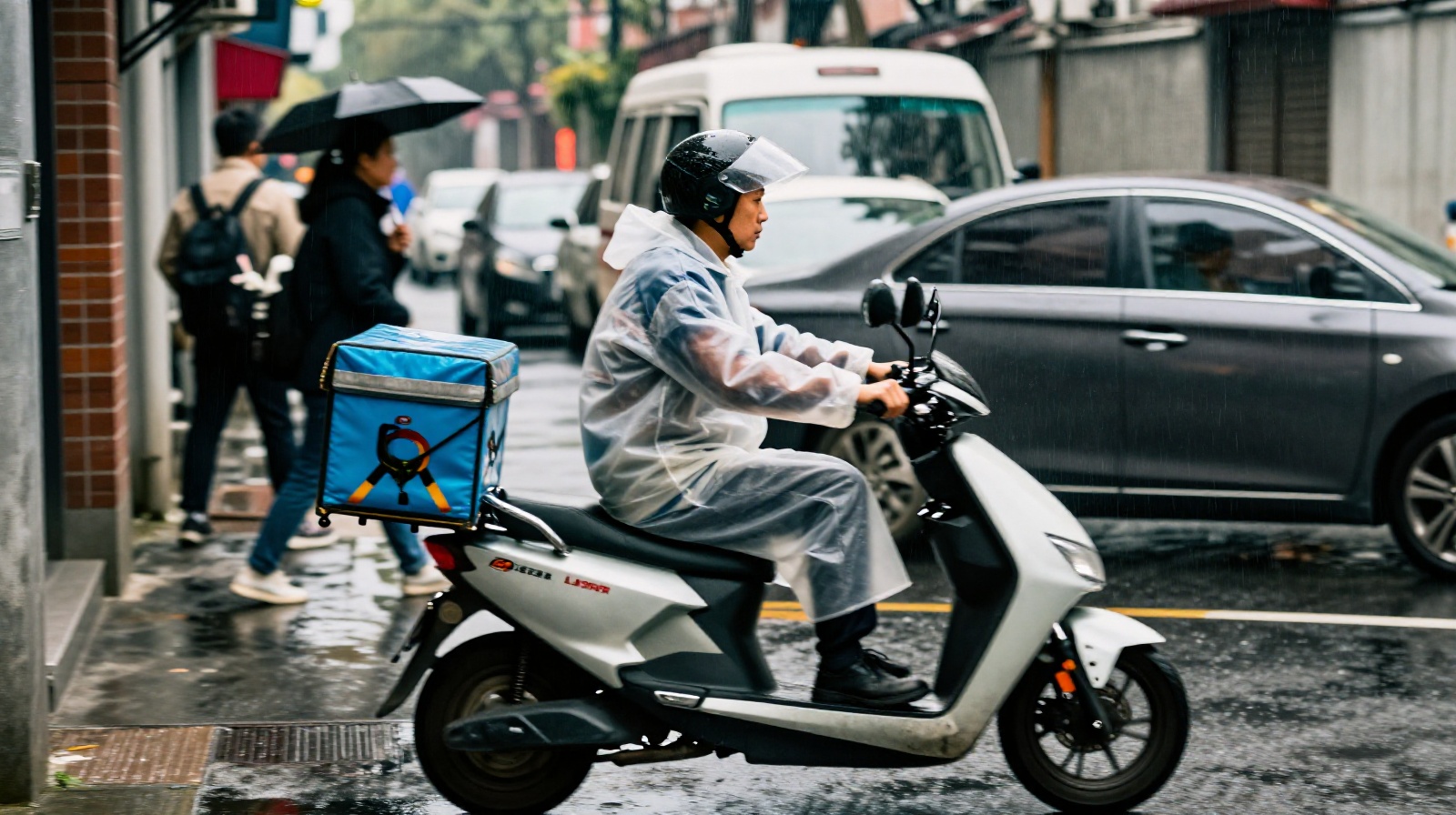
He navigates through narrow alleyways where delivery scooters weave between parked cars and pedestrians. This is the reality of urban density in China’s tier-one cities. For many office workers, this rider is the only connection to a hot meal during a busy day. They rarely see the physical toll it takes on Li.
The Invisible Engine
By 8:00 PM, as Li finishes his last delivery, he has not just moved food; he has kept thousands of households running smoothly. The digital economy in China relies heavily on this workforce. Data from industry analysts suggests that the average delivery rider earns between 6,000 and 10,000 RMB ($850-$1,400) a month, depending on location and hours worked.
While the numbers are impressive, the story is about more than money. It is about resilience. Li’s ability to adapt to changing weather, complex navigation, and high-pressure environments makes him an essential part of China’s modern infrastructure. He is not just a worker; he is a vital link in a vast network that feeds a nation.
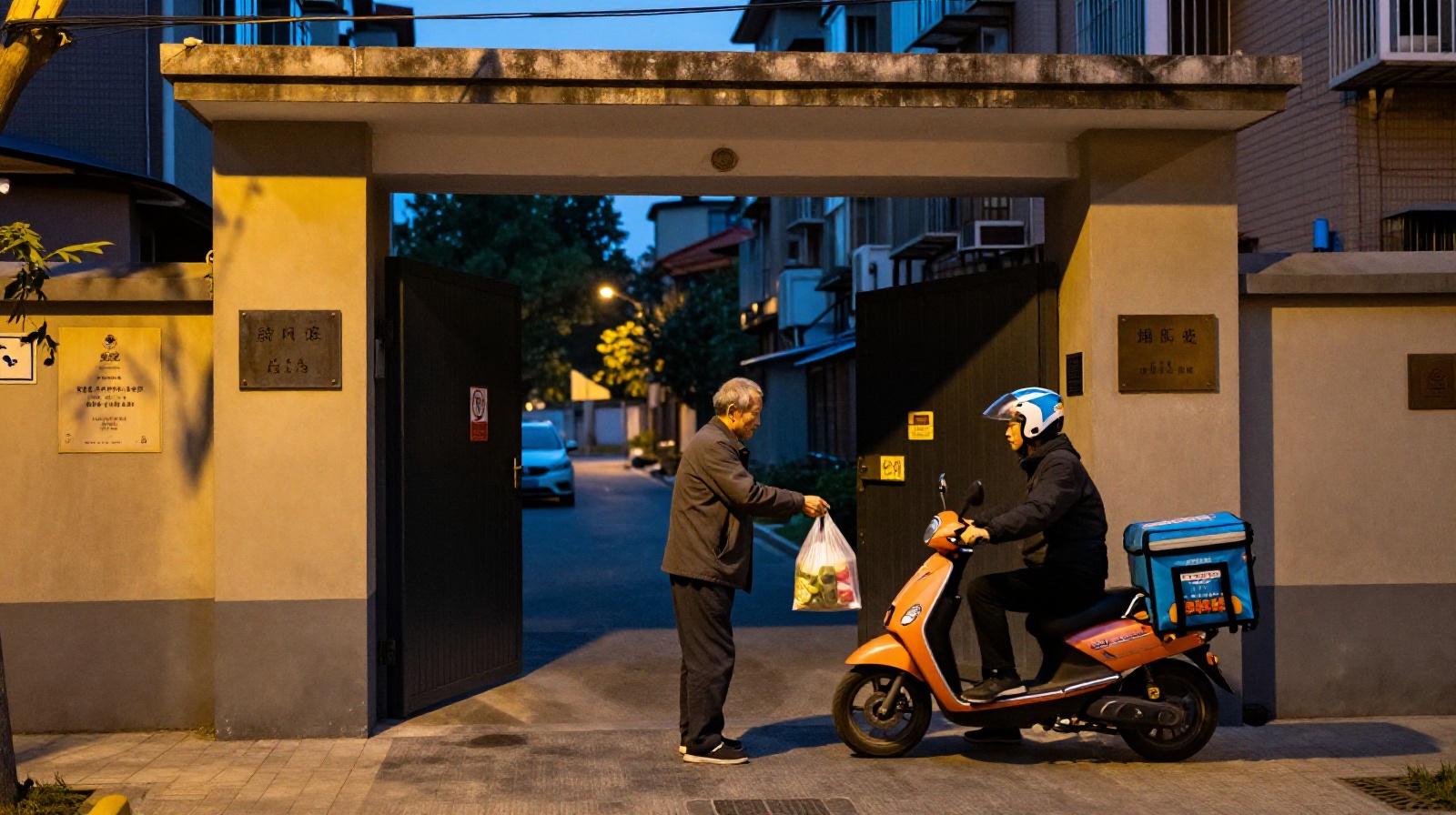
As night falls over Shanghai, Li heads back to his small rental room. Tomorrow, the algorithm will start again, and he will be ready to go. His journey of 120 kilometers today was not just about delivering food; it was a testament to the quiet strength of ordinary Chinese workers who keep their cities alive.