

The Starry Night in a Back Alley
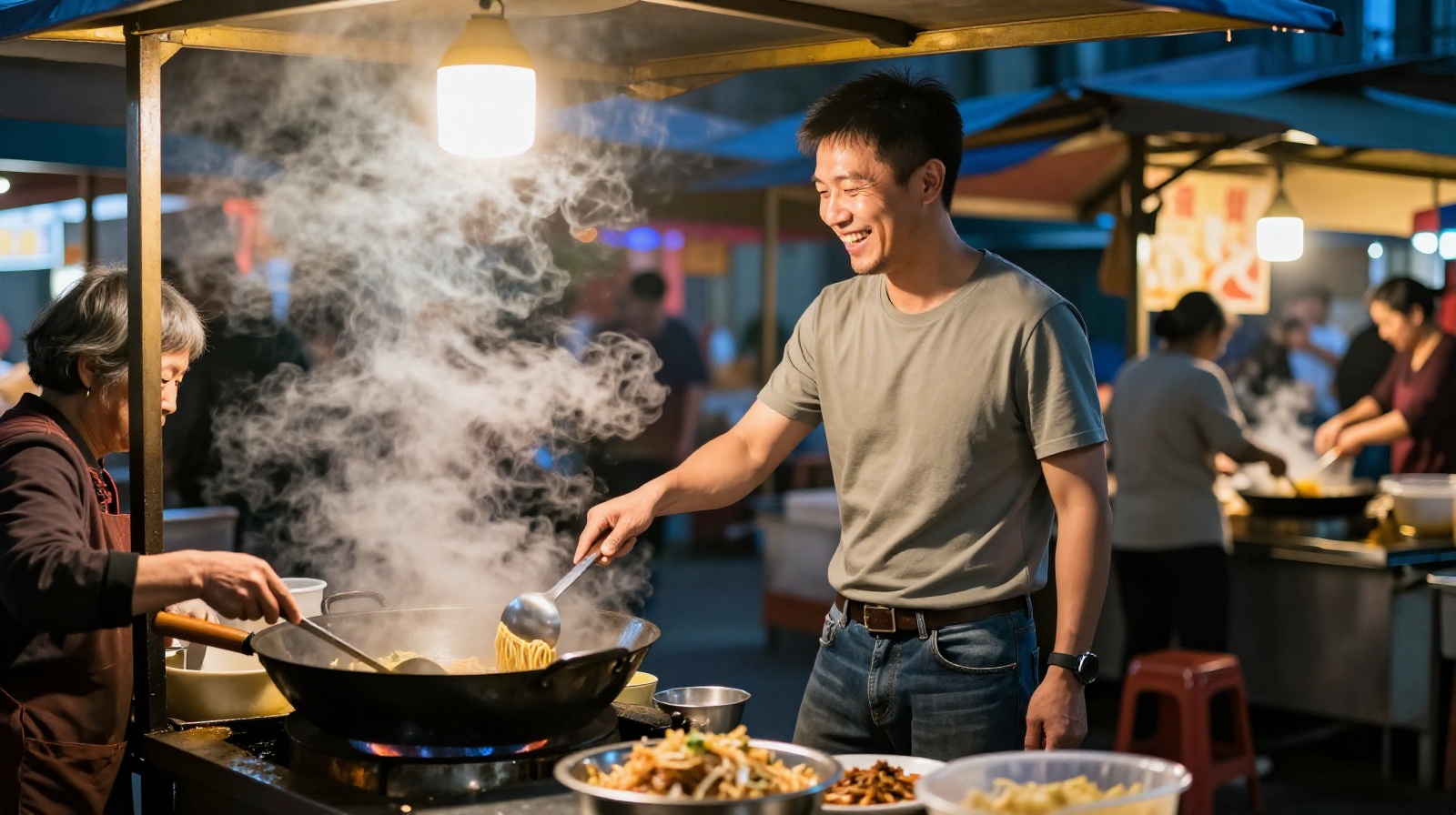
It is 10:30 PM on a humid Tuesday in Chengdu. The air smells of Sichuan peppercorns, frying oil, and wet asphalt. Li Wei pulls his collar up against the sudden drizzle. He isn’t wearing his crisp white chef’s jacket or the tailored suit he wears during dinner service at his two-Michelin-star restaurant downtown.
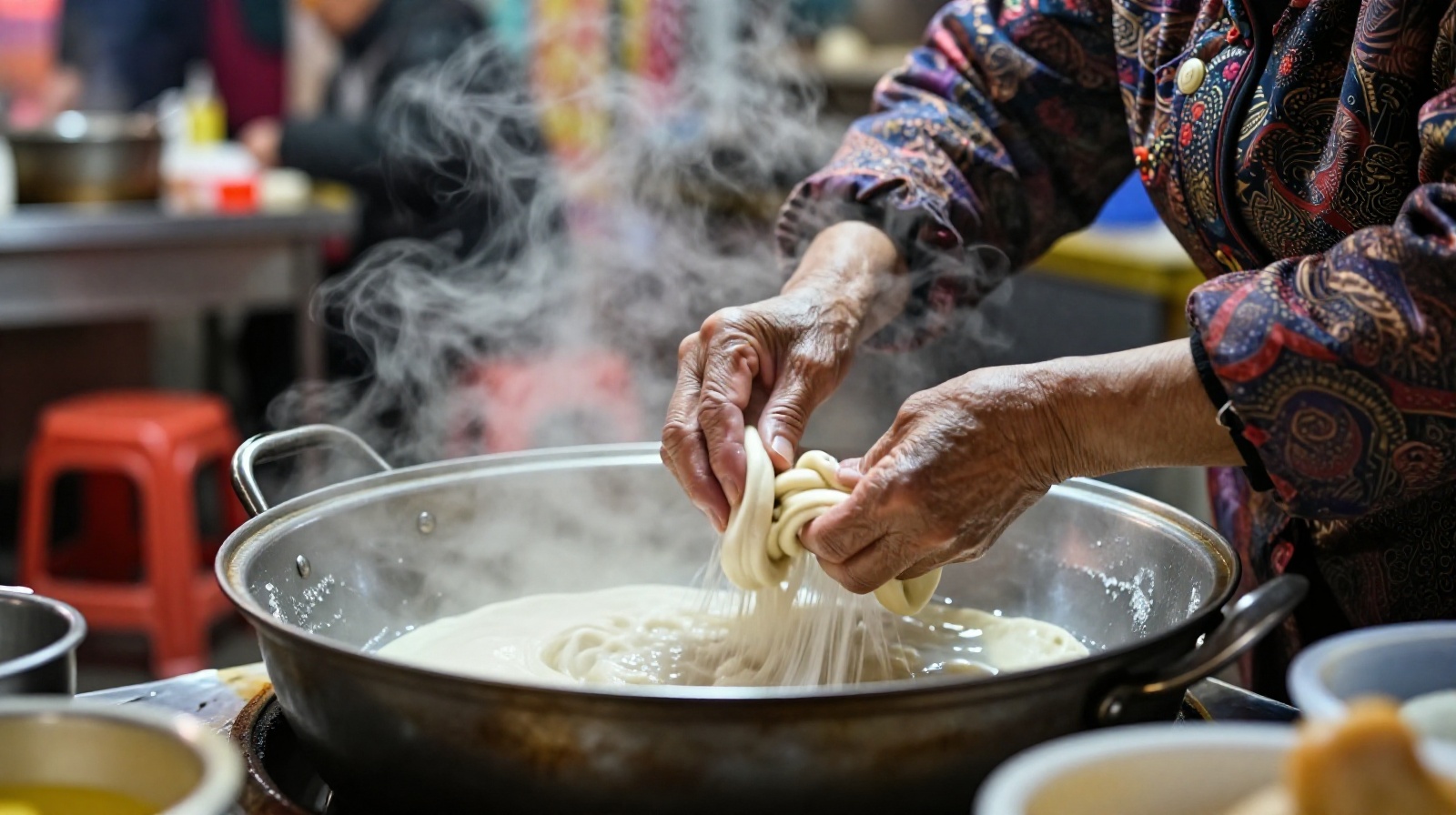
Today, he is dressed in a worn-out t-shirt and jeans, blending into the crowd of office workers and late-night students waiting for their orders. He stands behind a plastic stool at a stall no bigger than a closet, watching a grandmother with wrinkled hands toss dough into boiling water. This is where Li Wei feels most alive.
Li Wei is one of China’s most celebrated chefs. His restaurant has hosted diplomats and billionaires. Yet, he insists that the true heartbeat of Chinese cuisine beats loudest here, in these unassuming street corners. “People think fine dining is about perfection,” Li says, wiping grease from his apron with a rag. “But I’ve seen more mistakes in a Michelin kitchen than I have in a thousand bowls of noodles on this street.”
The Philosophy of the Stool vs. The Plate
For decades, the global culinary world has equated “high end” with silence, white tablecloths, and precision measured in millimeters. But Li Wei’s journey to rediscover street food began with a realization: China’s rapid economic growth hasn’t erased its traditional social fabric; it has simply moved it.
In his restaurant, every dish is plated for aesthetics before flavor. Ingredients are sourced from specific regions, sometimes flown in from thousands of miles away. The service follows a strict script. In the street stalls Li visits, the hierarchy is different. There is no script. The chef shouts orders over the noise of the wok. The cook tastes the broth with a spoon while it’s still boiling. If the customer likes it spicy, they add more chili oil. If not, they get less.
This is what Li calls “culinary democracy.” In his view, the Michelin system, while excellent at recognizing technical skill, often misses the chaotic genius of street cooking. A bowl of beef noodles costing 20 RMB (about $3) can have more depth of flavor than a 500-RMB tasting menu, simply because the cook has spent twenty years refining the same recipe for the neighborhood.
Bridging Two Worlds
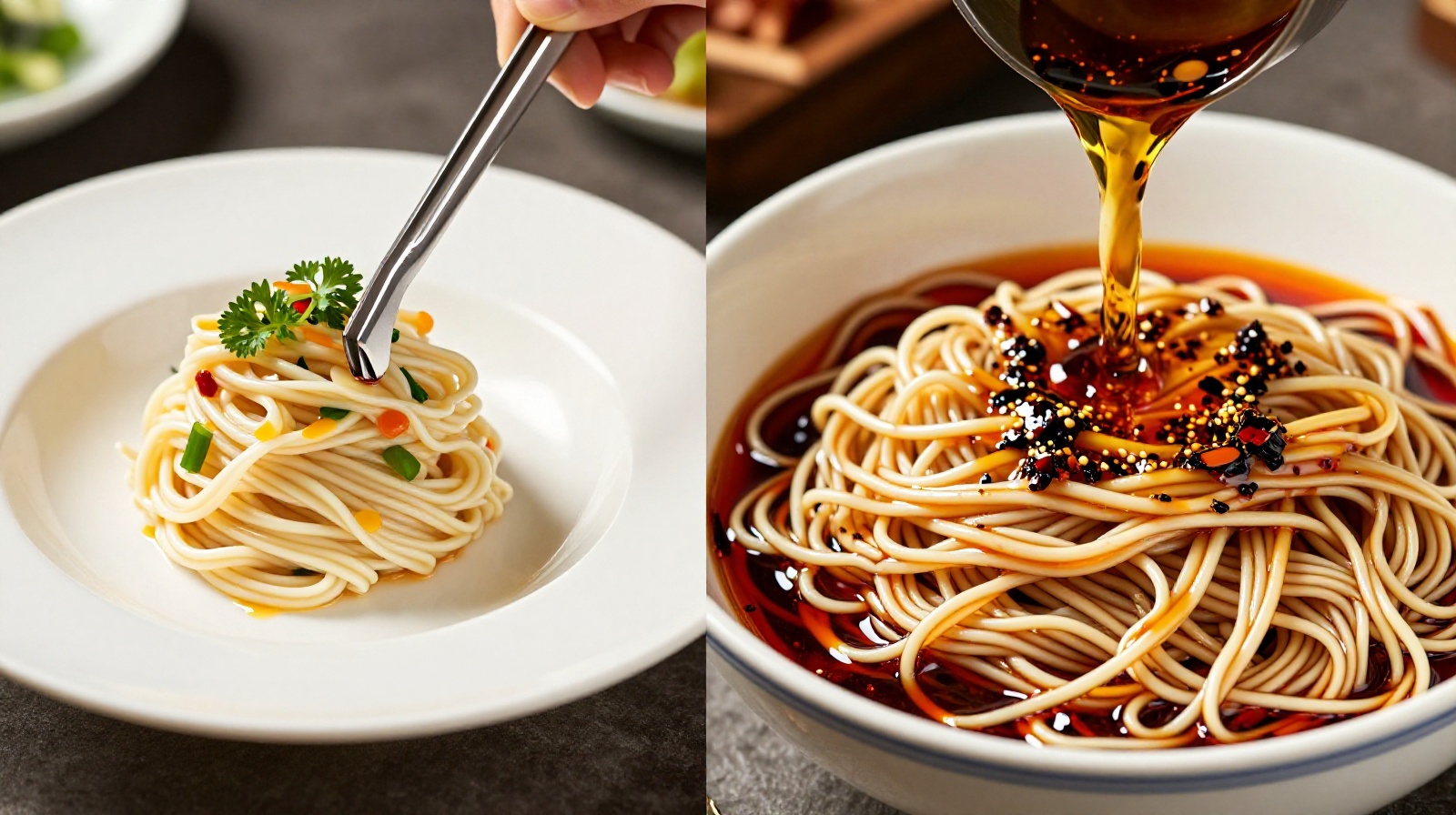
Li Wei isn’t just an observer; he is trying to bridge the gap between these two culinary worlds. Since 2019, he has launched a project called “Street to Table.” The concept is simple: take the soul of street food and elevate it without losing its soul.
In one recent dish at his restaurant, he served a deconstructed version of a famous Beijing street snack, *Bing Jia Rou* (meat-filled flatbread). He used high-quality Wagyu beef instead of the traditional fatty pork belly, but the technique for steaming and the specific blend of spices were lifted directly from the alleyways where he grew up. The result? A dish that critics called “revolutionary” but which locals immediately recognized as a tribute to their childhood.
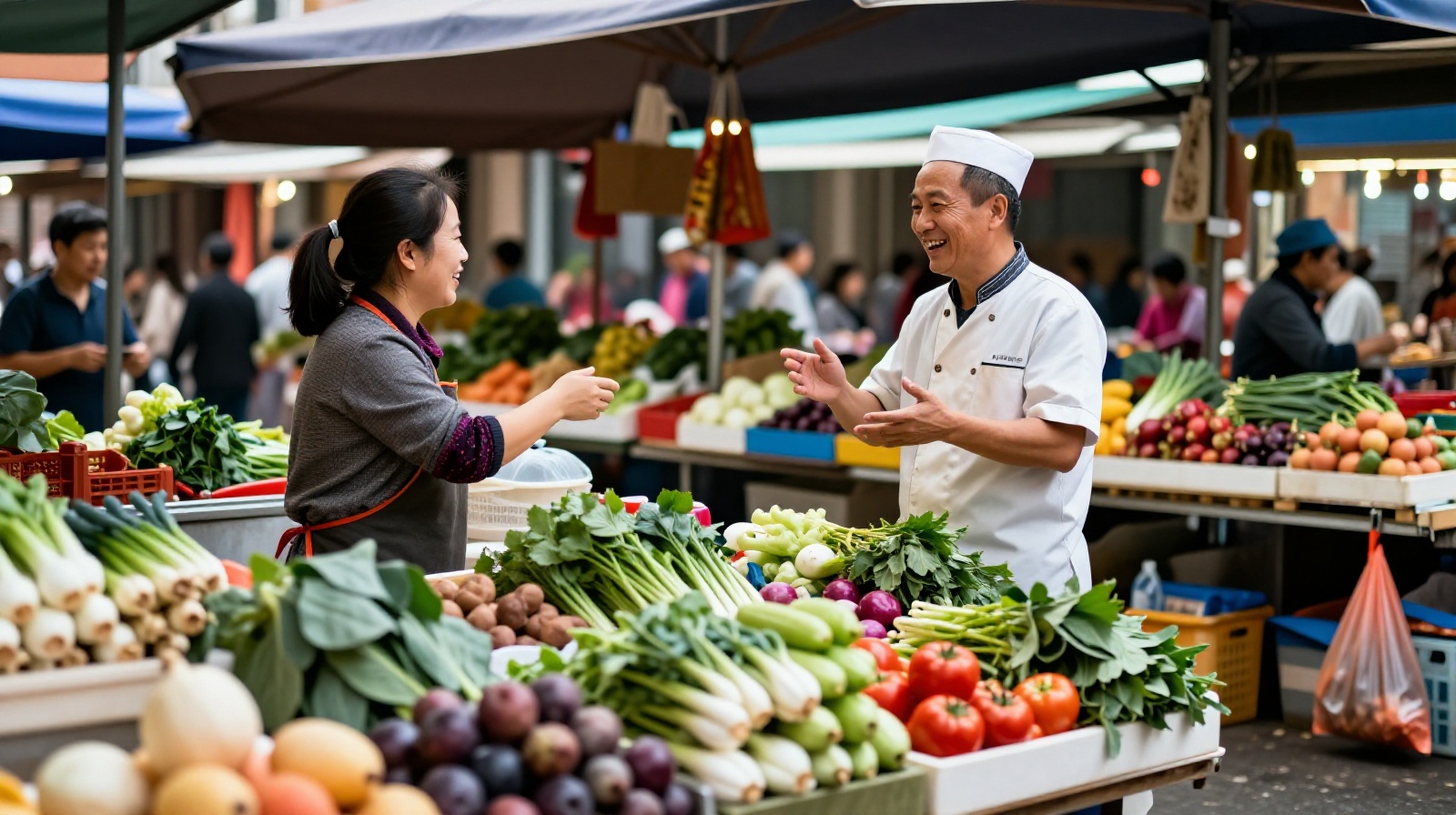
More importantly, Li uses his platform to advocate for food equality. In an era where luxury dining often feels exclusive and performative, he argues that the right to good food shouldn’t depend on your bank account. He frequently visits local markets in Shanghai and Guangzhou, not just to source ingredients, but to talk to the vendors. He learns their stories. He understands why a certain type of bean is only available at this stall.
Why This Matters for Understanding China
To an outside observer, the contrast between a Michelin-starred chef and a street noodle vendor might seem like a clash of classes. But in China’s current social landscape, this blend is actually quite common.
China’s rise as an economic power hasn’t just created wealth; it has also accelerated a cultural confidence. Young people are no longer chasing Western-style fine dining as the only measure of success. They are proud of their local flavors, from Sichuan hot pot to Guangdong dim sum. The street food scene is booming, not despite modernization, but because of it.
Li Wei’s story reflects a broader shift: China is redefining what “quality” means. It’s not about the most expensive ingredients or the quietest dining room. It’s about authenticity, community, and the human connection that happens over a shared bowl of food. As Li puts it, “The best restaurants in the world are the ones where you can feel the warmth of the kitchen through the door.”
For Li Wei, the street isn’t just a place to eat. It’s a laboratory for flavor, a classroom for culture, and the only place where he truly feels like himself.