


The Race Begins at 4 a.m.
It is still pitch black outside the village of Xiangshan, near Hangzhou. At 4:30 a.m., Li Wei, a 58-year-old local farmer, is already on his bike, pedaling hard down a muddy mountain trail. His basket is empty, but his eyes are sharp. He isn’t heading to work; he is racing against the sun and the weather.
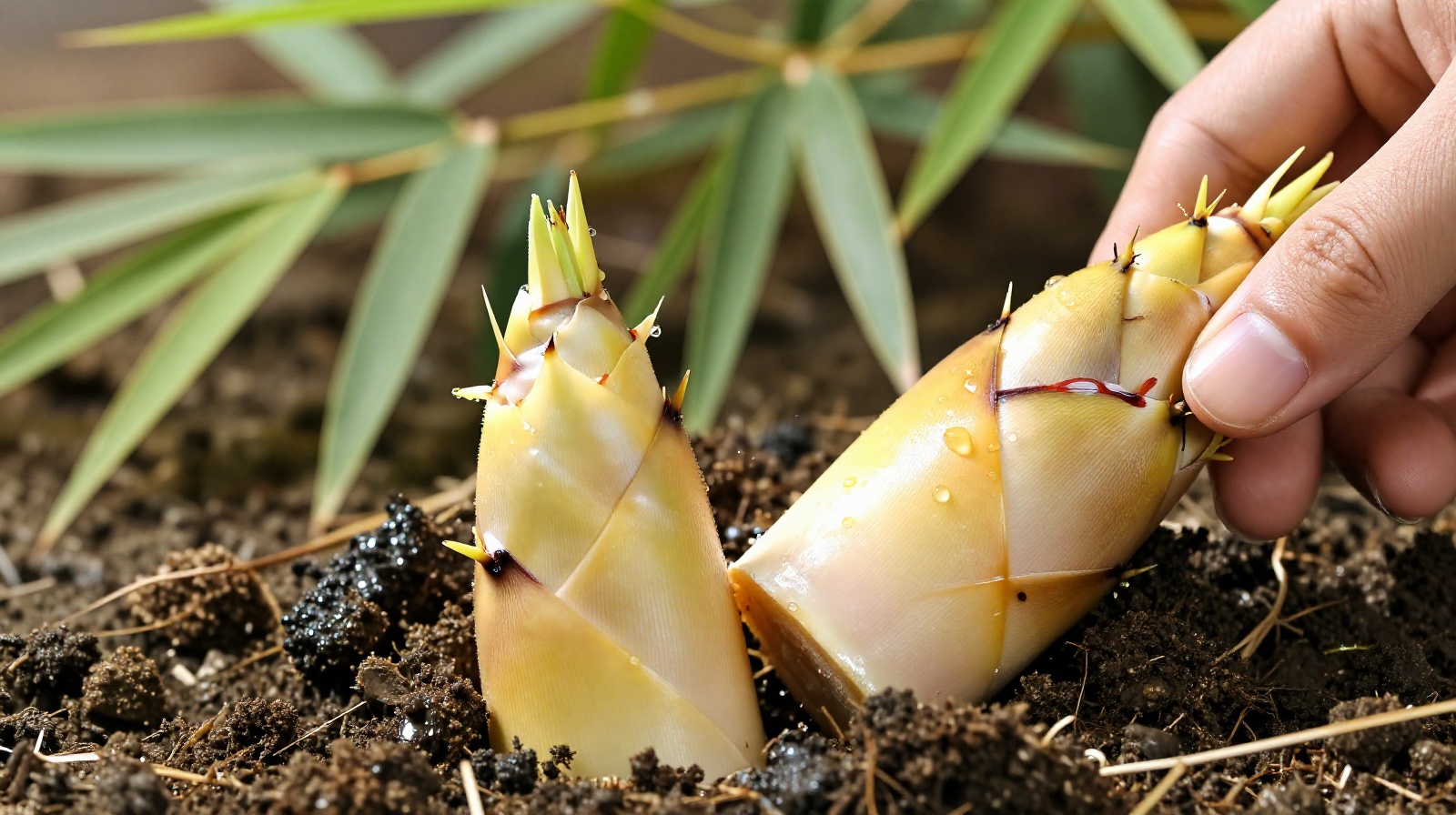
Li is hunting for tuntun, or spring bamboo shoots. These tender spears have been pushing through the frosty soil all night, waiting for a single moment of harvest before they toughen into inedible wood within 24 hours. This is the essence of ‘bushi bu shi’—eating only what is in season—a philosophy that has guided Chinese dining for millennia.
The Philosophy of ‘Not In Season, Don’t Eat’
To an outsider, waiting hours to cook a vegetable might seem obsessive. But in China, this impulse is deeply rooted in the belief that nature operates on a strict clock. Spring bamboo shoots are unique because their flavor profile changes hourly.
When Li finally spots a shoot breaking through the earth, it is crisp, pale yellow, and releases a sweet, grassy aroma immediately upon being pulled from the ground. If he waits even an extra day, the sugars turn to starch, the texture becomes fibrous, and the delicate sweetness vanishes. For millions of Chinese people, eating food out of season feels like missing a conversation before it’s spoken.
More Than Just Food: A Cultural Obsession
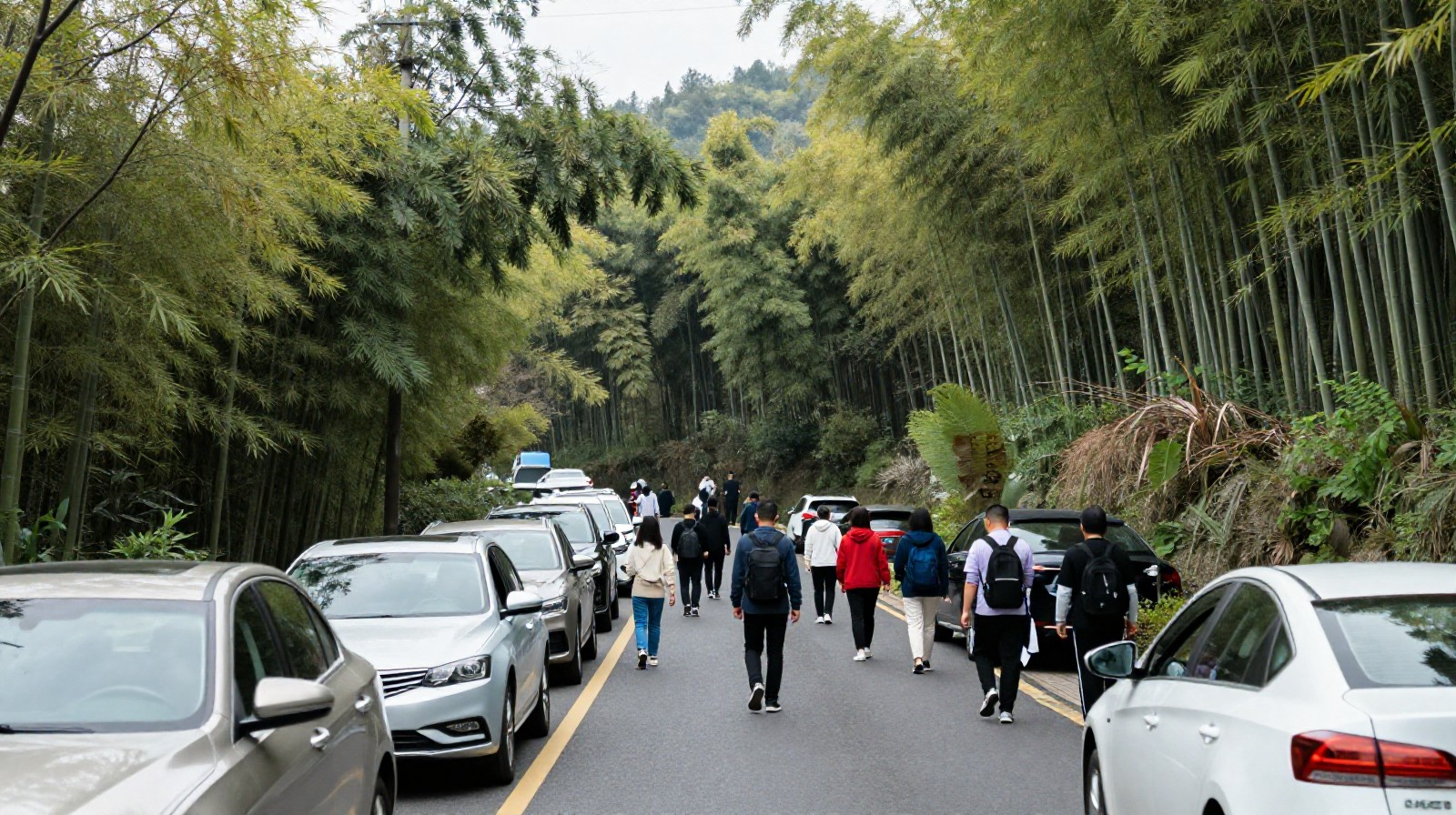
This isn’t just about Li Wei. On a typical weekend in March and April, the mountain roads around Zhejiang and Jiangsu provinces become packed with cars and hikers. Families drive from cities like Hangzhou and Shanghai, parking on narrow shoulders to walk for miles into the woods.
They aren’t looking for luxury ingredients; they are chasing a specific texture that modern supermarkets simply cannot replicate. Even with advanced cold-chain logistics, a bamboo shoot bought in a high-end grocery store in Shanghai tastes different from one dug up at dawn by a mountain villager. The ‘freshness’ of the city vegetable is preserved, but the ‘vitality’—that immediate crunch and earthy scent—is lost.
The Modern Dilemma: Can Logistics Replace Tradition?
Today, you can buy spring bamboo shoots online and have them delivered to your door in Beijing or New York within 48 hours. The logistics network is impressive. Yet, the obsession with the ‘freshly dug’ moment persists.
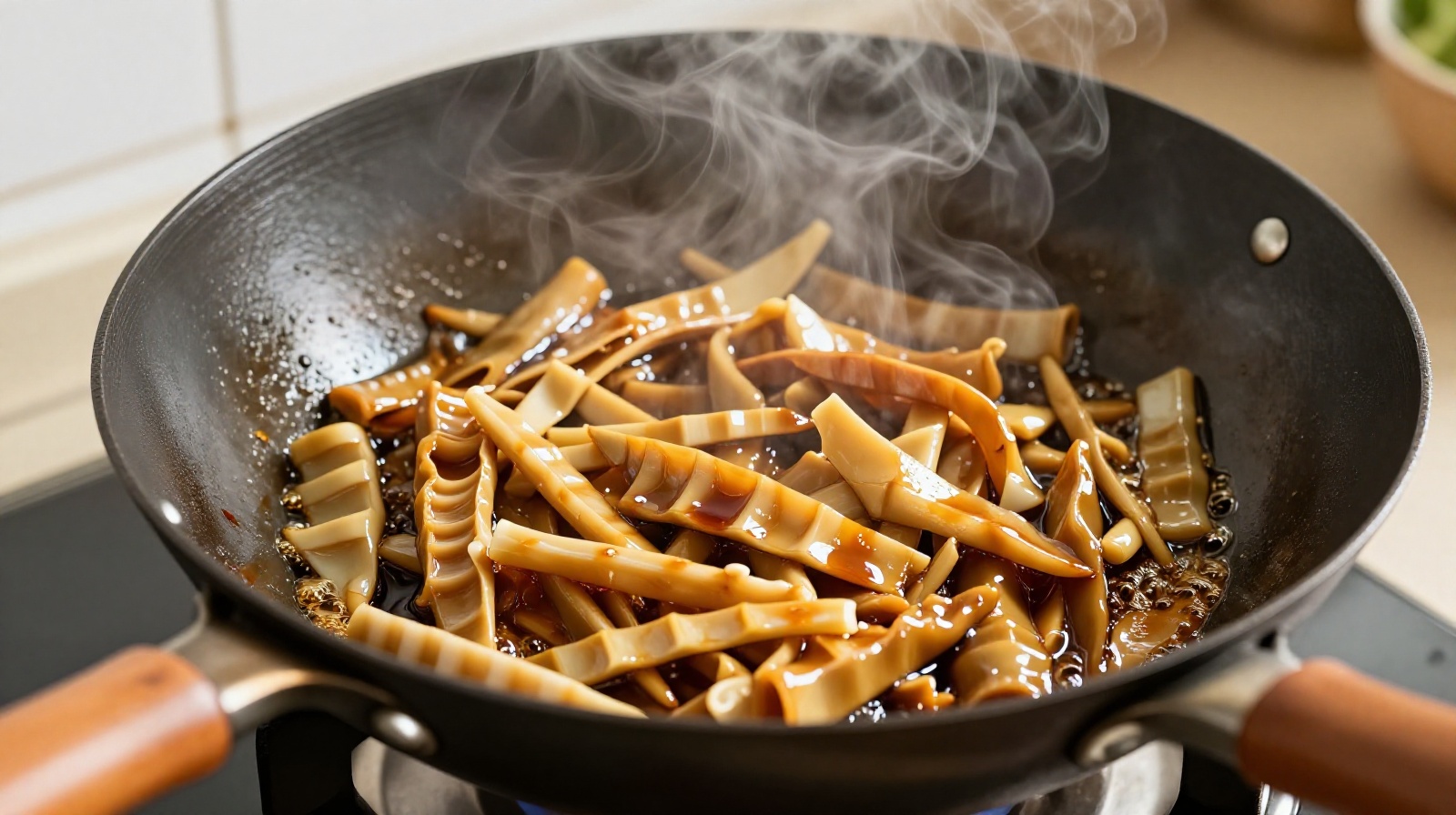
Chefs in Hangzhou insist that even a one-day delay reduces the quality of dishes like oil-braised bamboo shoots. This dish, simple and unpretentious, relies entirely on the shoot’s natural sweetness. If the shoot is too old, it needs more oil to mask bitterness. If it is perfect, no salt or sugar is needed. The struggle to get that perfect texture defines the culinary culture.
Tasting the Season: A Simple Spring Recipe
The most iconic way to eat these treasures is you men sun (oil-braised bamboo shoots). It sounds simple, but the execution requires precision. Li brings his haul back home, peels away the tough outer layers, and slices the tender core into thick chunks.
In a wok with just a little soy sauce, sugar, and oil, the shoots are simmered until they absorb the savory broth while retaining their snap. The result is a dish that tastes like spring itself—clean, crisp, and surprisingly fragrant. It is a reminder that in China, the calendar isn’t just for business; it is on your plate.
Start the discussion at forum.chinacomes.com