

Beyond the Neon Skyline
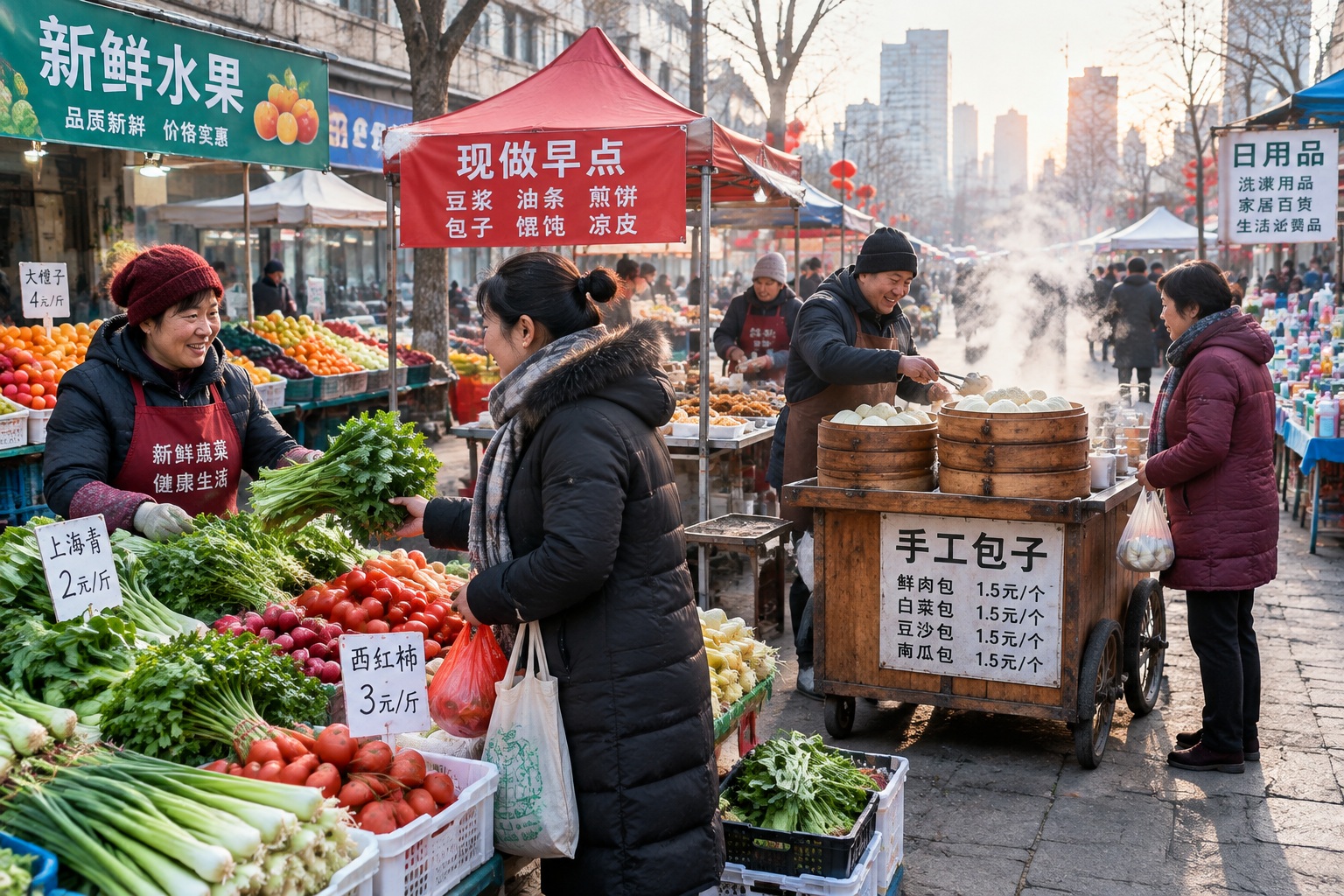
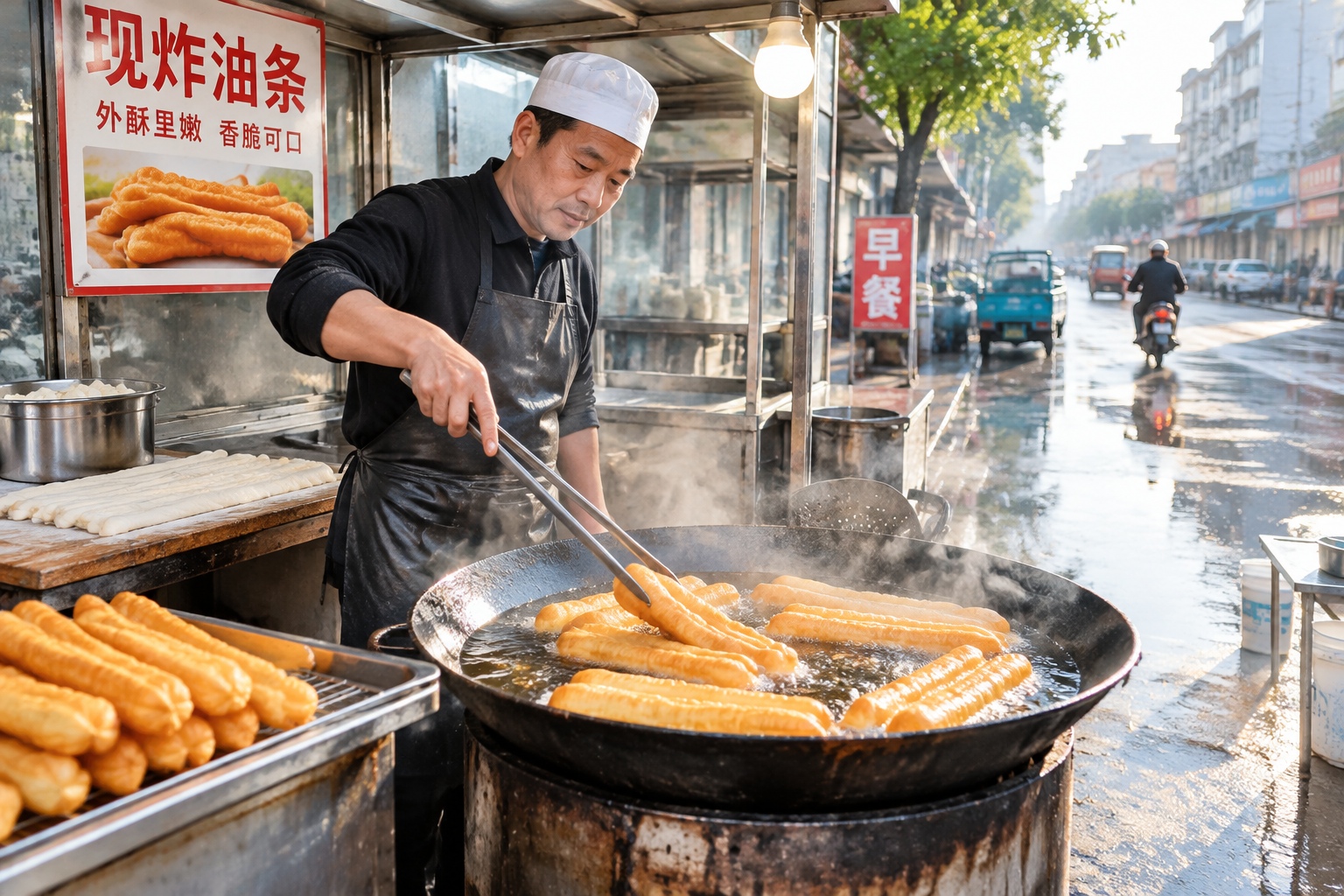
It is 6:15 AM in Harbin, and the air is sharp enough to sting your lungs. The temperature is near freezing. Yet, a sea of people is already moving through the narrow lanes of the city’s largest morning market. There is no plastic wrap here, no climate control, only the steam rising from baskets of buns, the smell of frying dough sticks, and the rhythmic clatter of metal tongs.
This is the zao shi, or morning market. While tourists often flock to high-end malls or historic landmarks, it is in these chaotic, open-air spaces that the true rhythm of Chinese urban life beats. It is not a curated experience for visitors; it is the daily engine room where millions of people fuel their bodies and their economies.
A Marketplace Without Borders
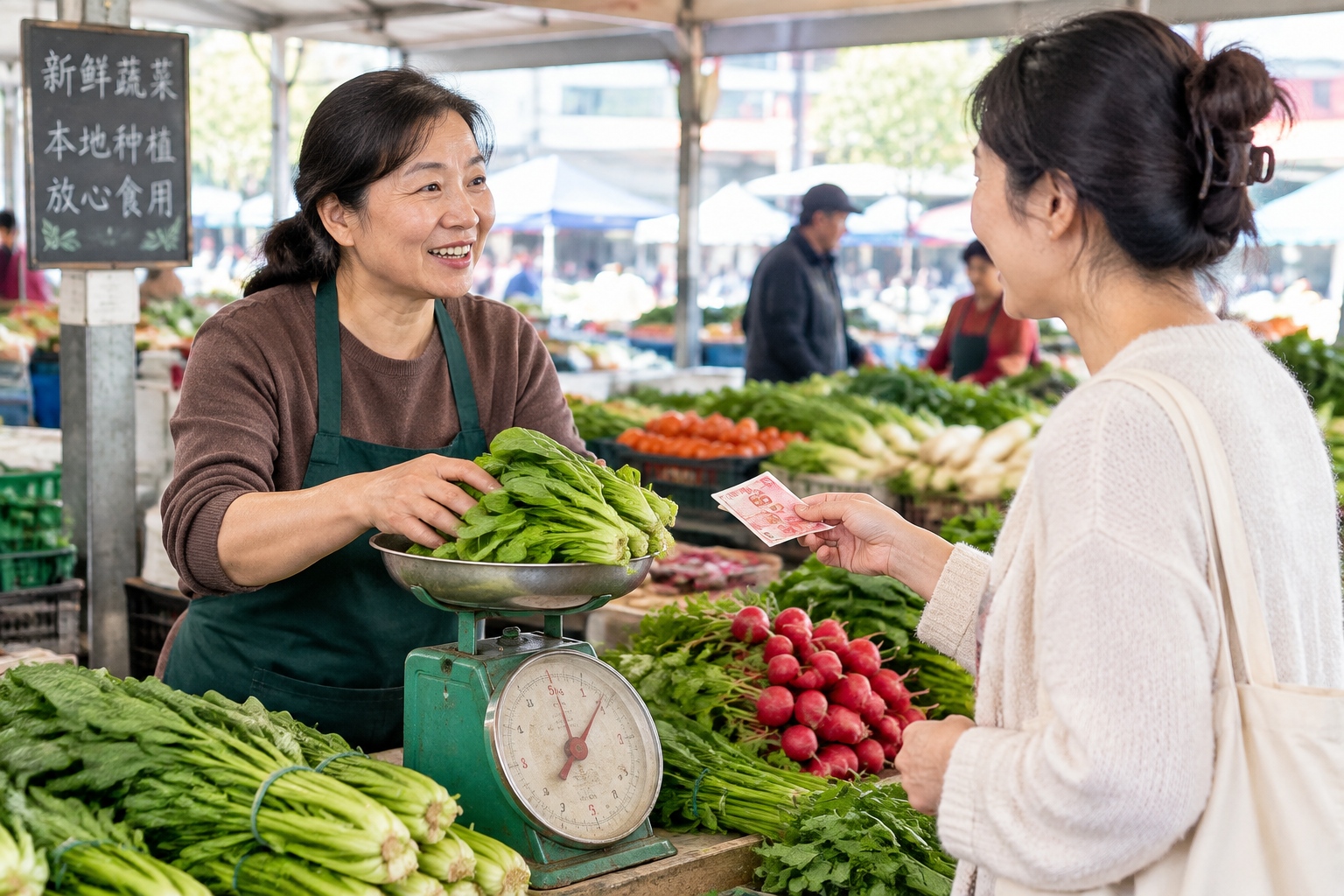
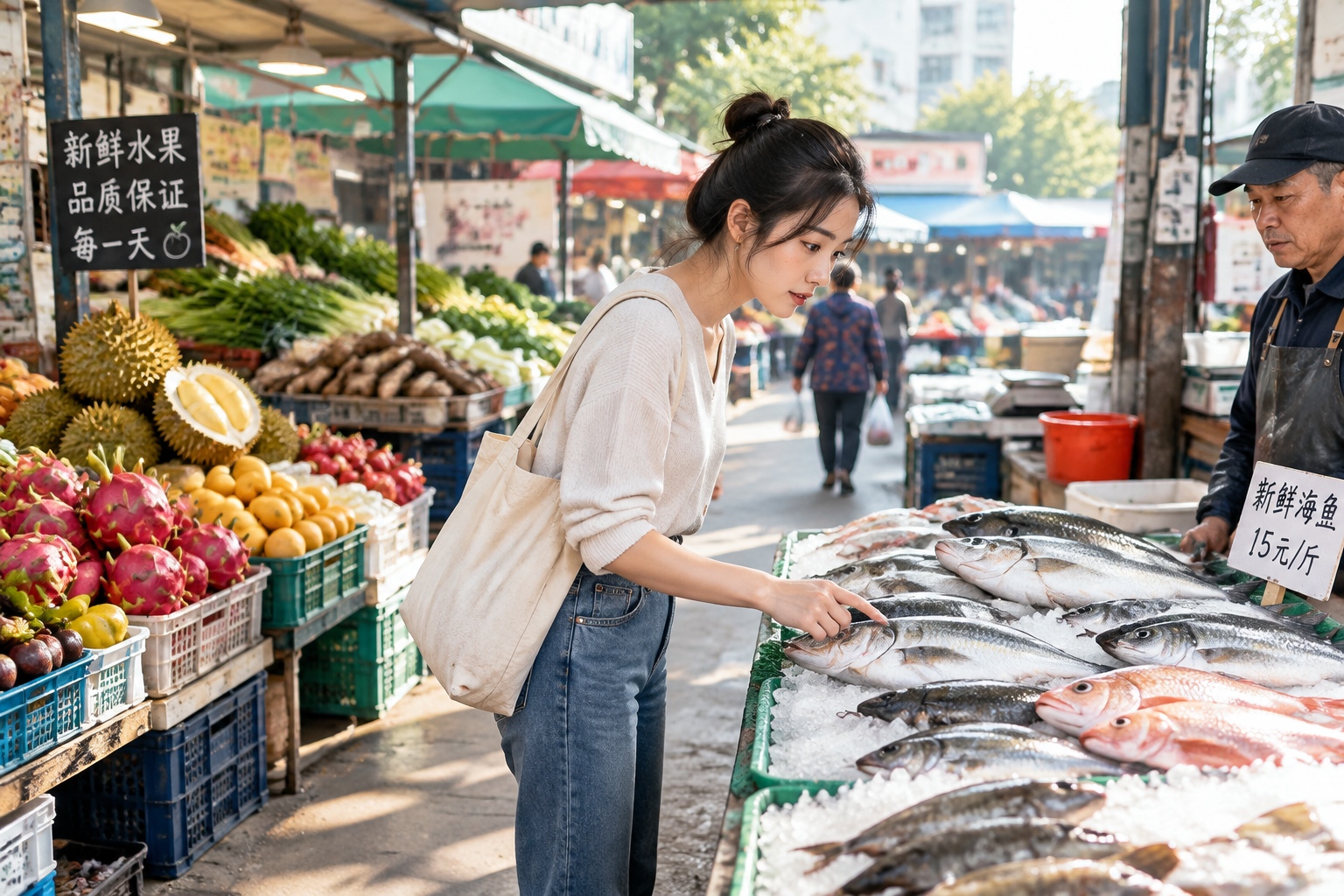
Walk through the produce section, and you are immediately hit by an explosion of color. Piles of bitter melon sit next to bright red tomatoes. A woman in a thick down jacket haggles with a vendor who is wiping sweat from his forehead despite the cold.
The diversity here defies modern stereotypes of China as merely a factory or a tech hub. You see fresh lobsters that cost less than a dollar a pound, exotic fruits imported from Yunnan, and local root vegetables dug up this morning. Prices are calculated not in digital wallets alone but often in quick mental math, with vendors shouting prices like “Five for ten yuan!”
But it is not just about cheap food. It is a social hub. In cities where high-speed rail connects provinces in hours and apartment buildings isolate families from one another, the zao shi remains one of the few places where neighbors actually talk. An elderly man might stop to ask a middle-aged vendor how his son’s school is going. A young office worker grabs a soy milk while checking messages on their phone, then pauses to chat about traffic or the weather.
The Engine of the Real Economy
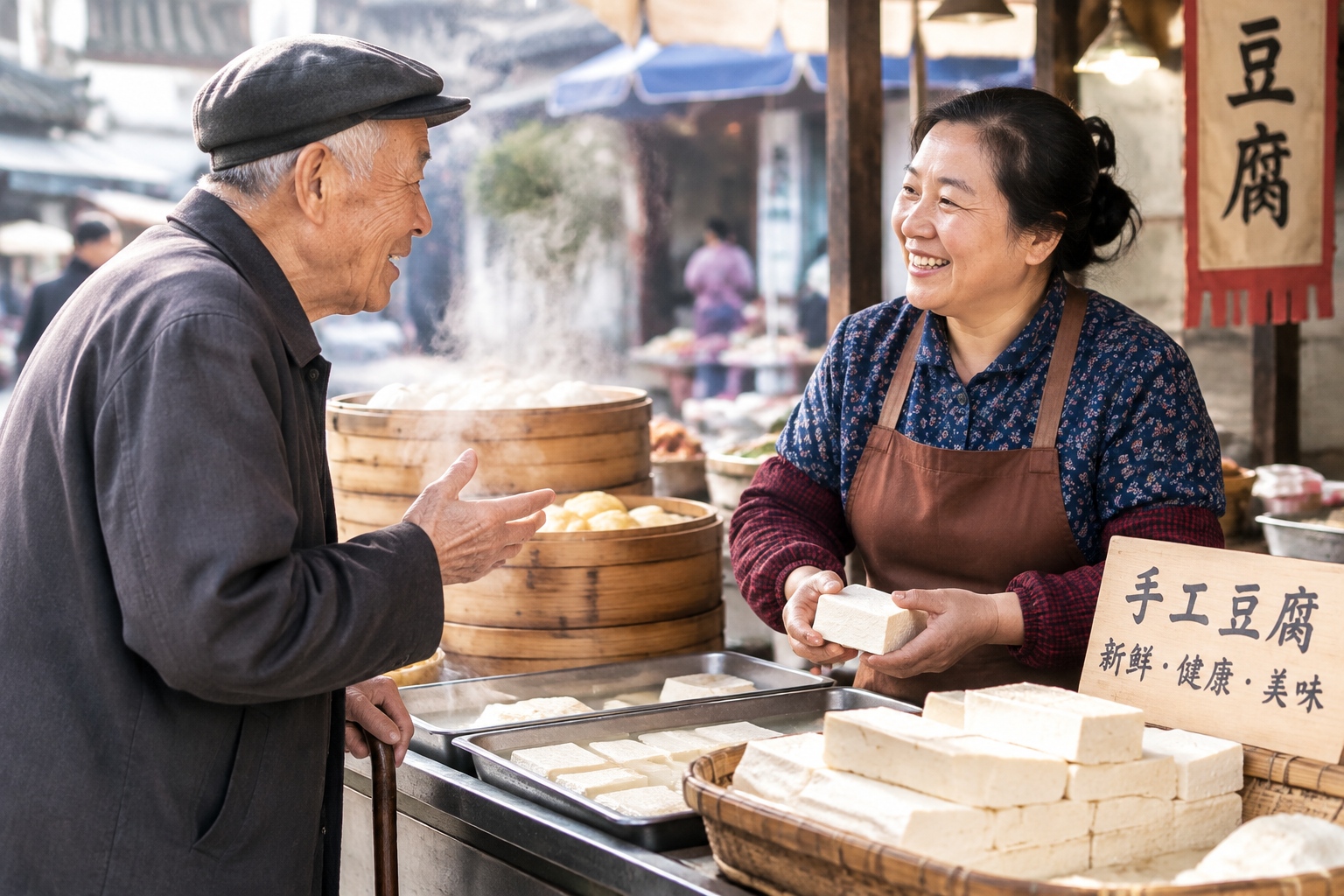
Forget the GDP charts for a moment. The morning market is where the real economy lives and dies. For many families, this is a full-time job. A single stall selling dumplings might generate enough revenue to support three generations living in a small apartment.
The barriers to entry are surprisingly low. You don’t need a business degree or a loan from a bank; you need a cart, a wok, and the willingness to wake up at 4 AM. This is where the concept of “flexible employment” becomes visible. It is not just about gig economy apps in big cities; it is the survivalist spirit of street vendors who adapt instantly to changing tastes and seasons.
There is no glamour here, only grit. The ground is often wet with melted snow or dirty water from cleaning vegetables. Vendors stand for ten hours straight, their backs aching. Yet, the energy is electric. There is a sense of urgency and opportunity that you rarely see in sterile corporate lobbies.
More Than Just Food
The zao shi also serves as a cultural barometer. If the market is bustling with fresh seafood, it means the fishing quota has been generous or logistics are working smoothly. If there are piles of organic vegetables but few meat products, it might reflect changing dietary habits or supply chain shifts.
It is a place of raw honesty. Unlike the sanitized food courts in shopping malls where prices are fixed and interactions are transactional, the morning market demands negotiation. You haggle over the price of a bunch of scallions. You inspect the freshness of the fish yourself. It forces people to engage directly with their food source and each other.
This friction is not a bug; it is a feature. It keeps the community connected. In a rapidly digitizing society where everything can be done via an app, the morning market insists on face-to-face interaction. It reminds everyone that behind every transaction is a human being with a story, a family to feed, and a hard day’s work ahead.
The Soul of the City
By 9 AM, the market begins to clear out. The steam fades, the noise dies down, and the street returns to normal traffic. But for those three hours before sunrise, the city has transformed.
To understand China today, you cannot just look at its skyscrapers or its high-speed trains. You have to stand in a crowded morning market, breathe in the smell of frying oil and damp earth, and watch how people live. It is rough, loud, and sometimes messy, but it is undeniably alive. It is the stomach that feeds the nation and the heart that keeps its pulse going.
Start the discussion at forum.chinacomes.com