
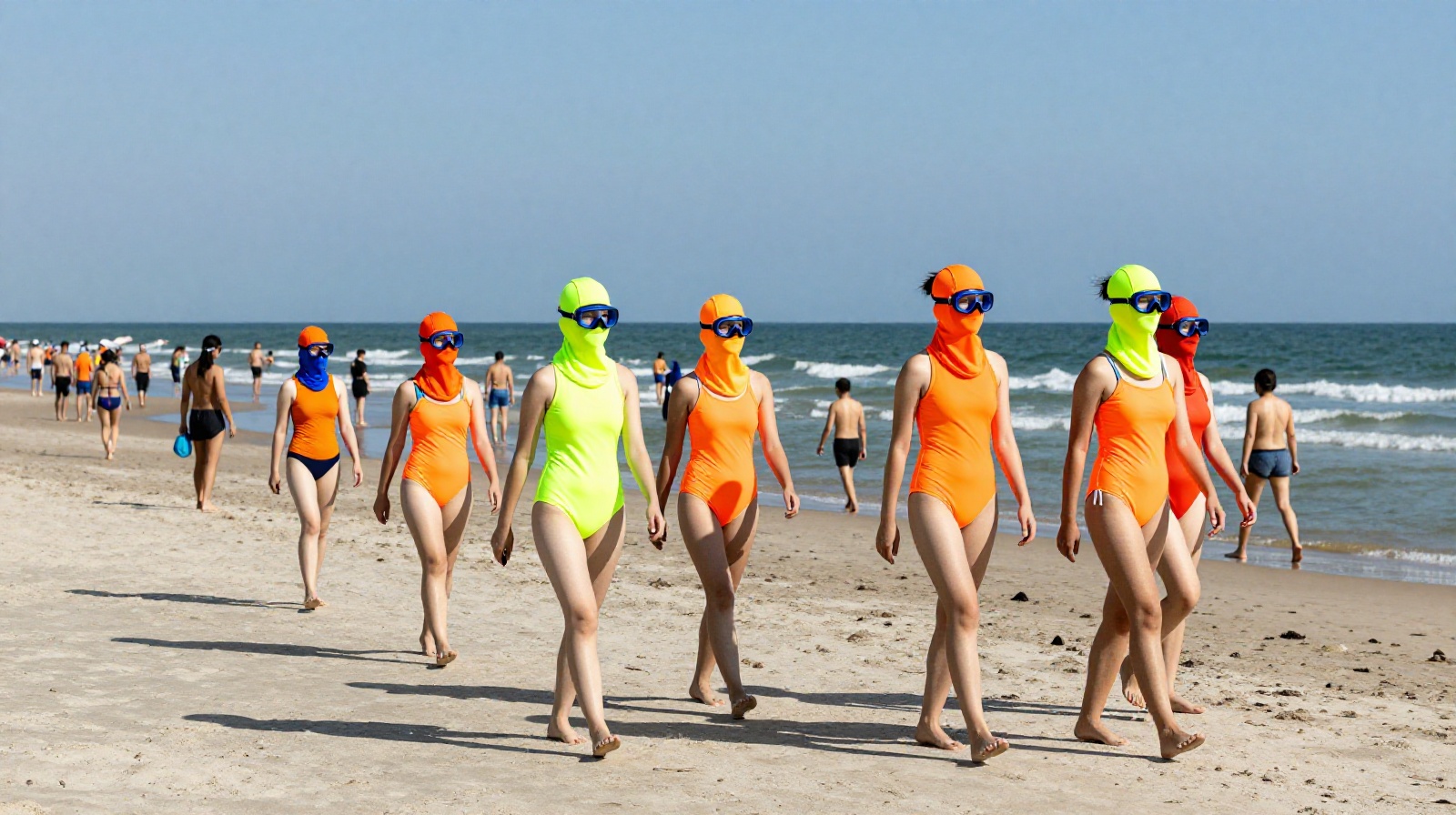

A Neon-Orange Mask in the Sand
Imagine walking down a beach in Qingdao or Sanya, China. The sun is blazing, and temperatures are soaring past 30°C. Instead of bikini-clad tourists soaking up rays for a golden tan, you see rows of women wearing bright orange, neon green, or electric blue masks that cover their entire faces—eyes, nose, mouth, and all. These are facekinis. They look like something out of a sci-fi movie, but these aren’t costumes for cosplay; they are the daily armor of ordinary Chinese women.

The Cultural Logic: Why “White” is Wealth
To an outsider, this might seem extreme. But in China, pale skin has been a status symbol for over a thousand years. In traditional agrarian society, being pale meant you didn’t work outdoors under the hot sun—you were wealthy enough to stay indoors.
Today, that logic hasn’t vanished; it has just evolved. A dark tan is still often associated with blue-collar labor or outdoor exposure in many Chinese cities. Consequently, avoiding the sun isn’t just about beauty; it’s a subtle social signal of white-collar status and economic stability.
Beyond Beauty: The Health Imperative
There is also a very practical side to this obsession that often surprises foreigners. In China, skin cancer awareness has grown alongside public health campaigns focused on the dangers of ultraviolet (UV) radiation.
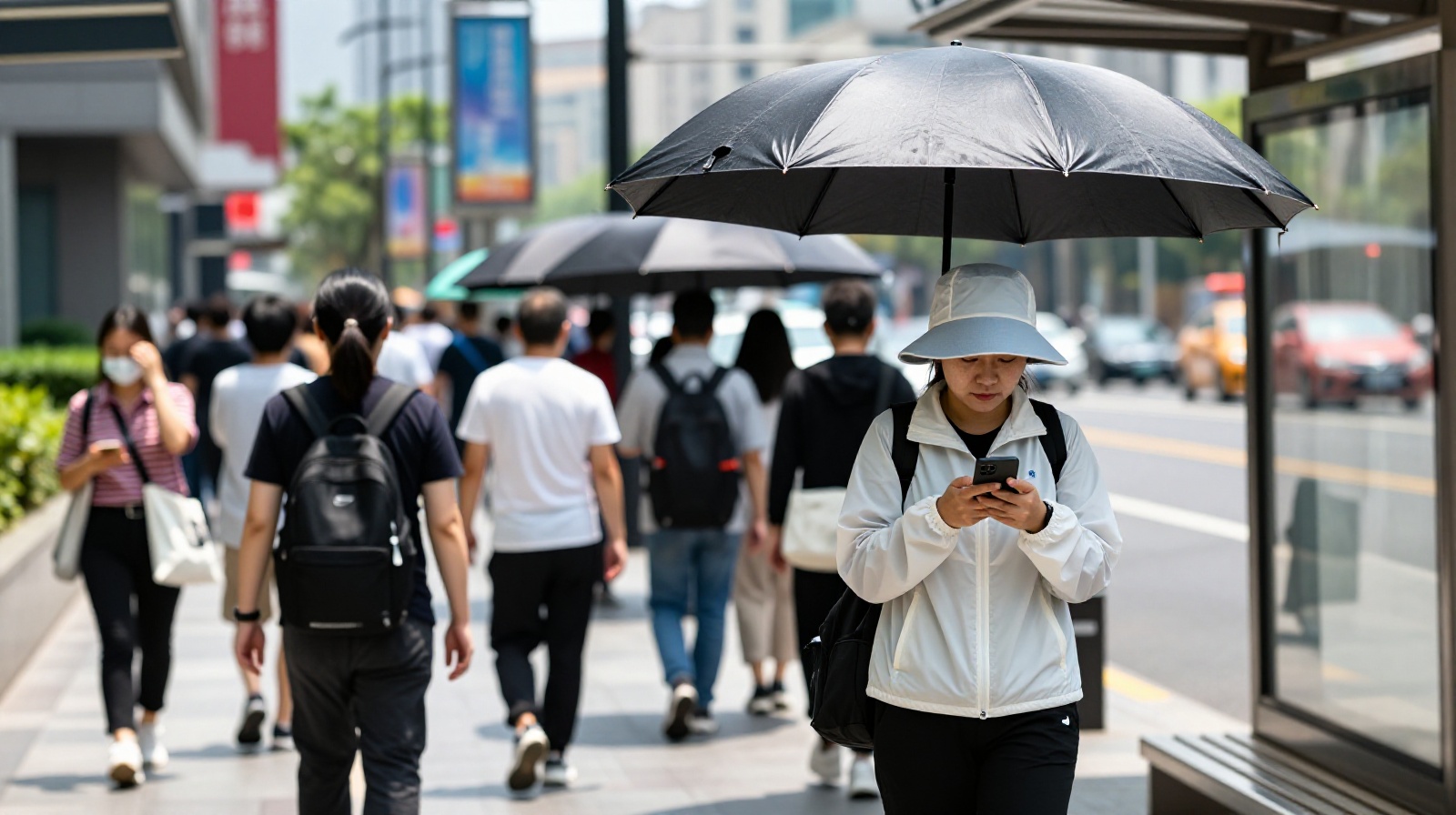
While Western countries sometimes promote tanning as healthy or stylish, the medical consensus in China is starkly different: sun protection is non-negotiable. Dermatologists here frequently warn that UV exposure leads not only to skin cancer but also to rapid photo-aging. For many Chinese parents and young adults alike, getting a tan isn’t “cool”; it’s seen as permanent damage to your skin.
The “Hardcore” Sun Protection Economy
If you think the facekini is the peak of this craze