

The Hum of the Assembly Line
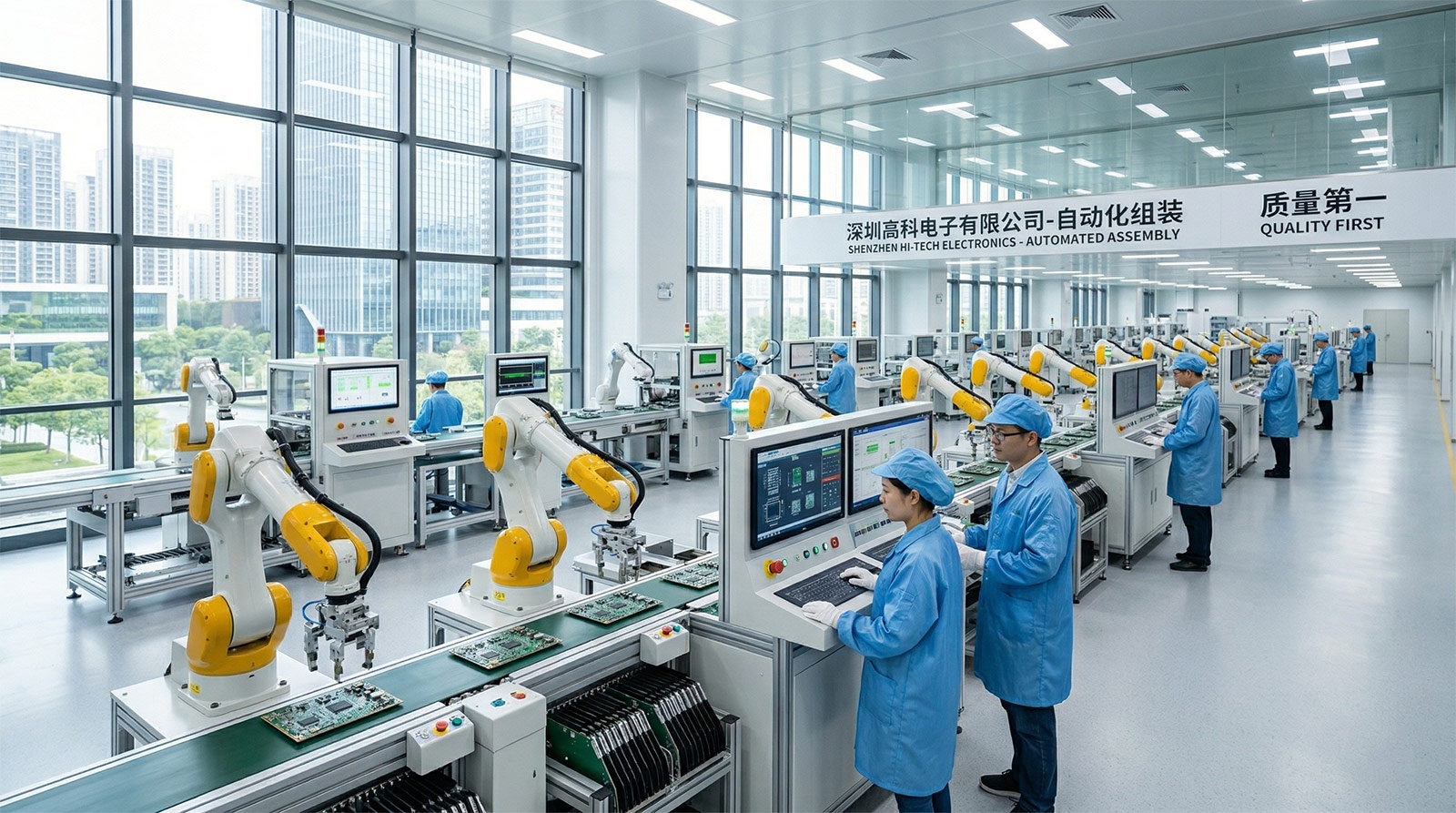
It is 8:15 AM in the Dongguan district, and the air inside the factory smells faintly of ozone and hot plastic. The noise isn’t a chaotic roar; it’s a steady, rhythmic hum from hundreds of automated machines working in sync. I stand behind Lin Wei, a 24-year-old quality control inspector with three years of experience at this facility.
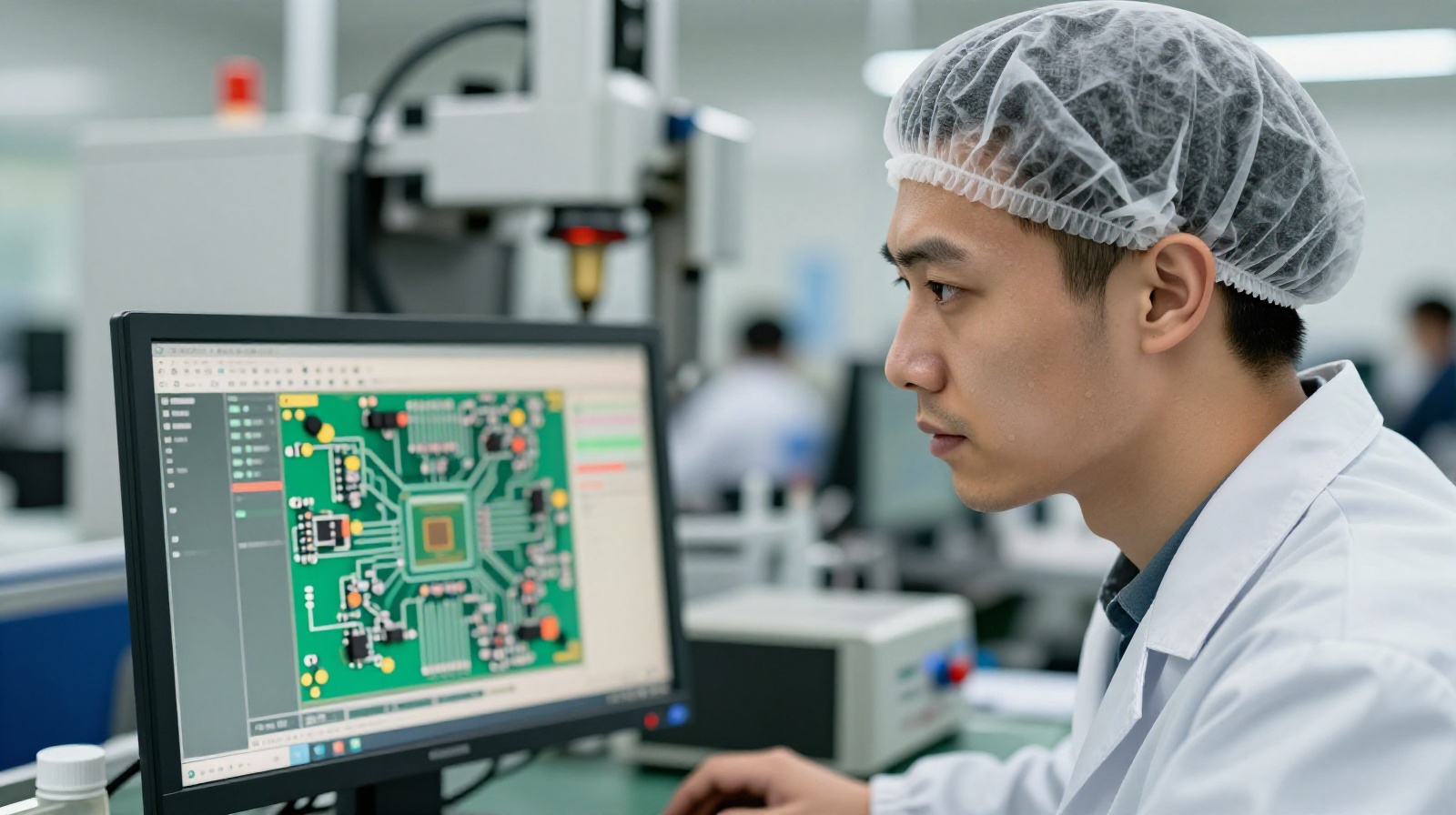
“Look at the camera,” Lin says, pointing to a screen above his station. He isn’t manually soldering tiny components for eight hours straight. Instead, he is monitoring an AI-driven vision system that scans circuit boards in real-time. If a defect is found, the machine flags it instantly. His job is to analyze the data and adjust the calibration.
“The stereotype says we work 12 hours without breaks,” Lin tells me, wiping sweat from his forehead despite the room being kept at a cool 22 degrees Celsius. “In reality, we work two shifts of eight hours. There are paid lunch breaks, rest periods every four hours, and overtime is strictly capped by law.”
Beyond the Stereotype: Climate Control and Contracts
For decades, Western media has depicted Chinese factories as dark, dusty warehouses where workers toil under harsh conditions. The reality of modern electronics manufacturing in China is strikingly different.
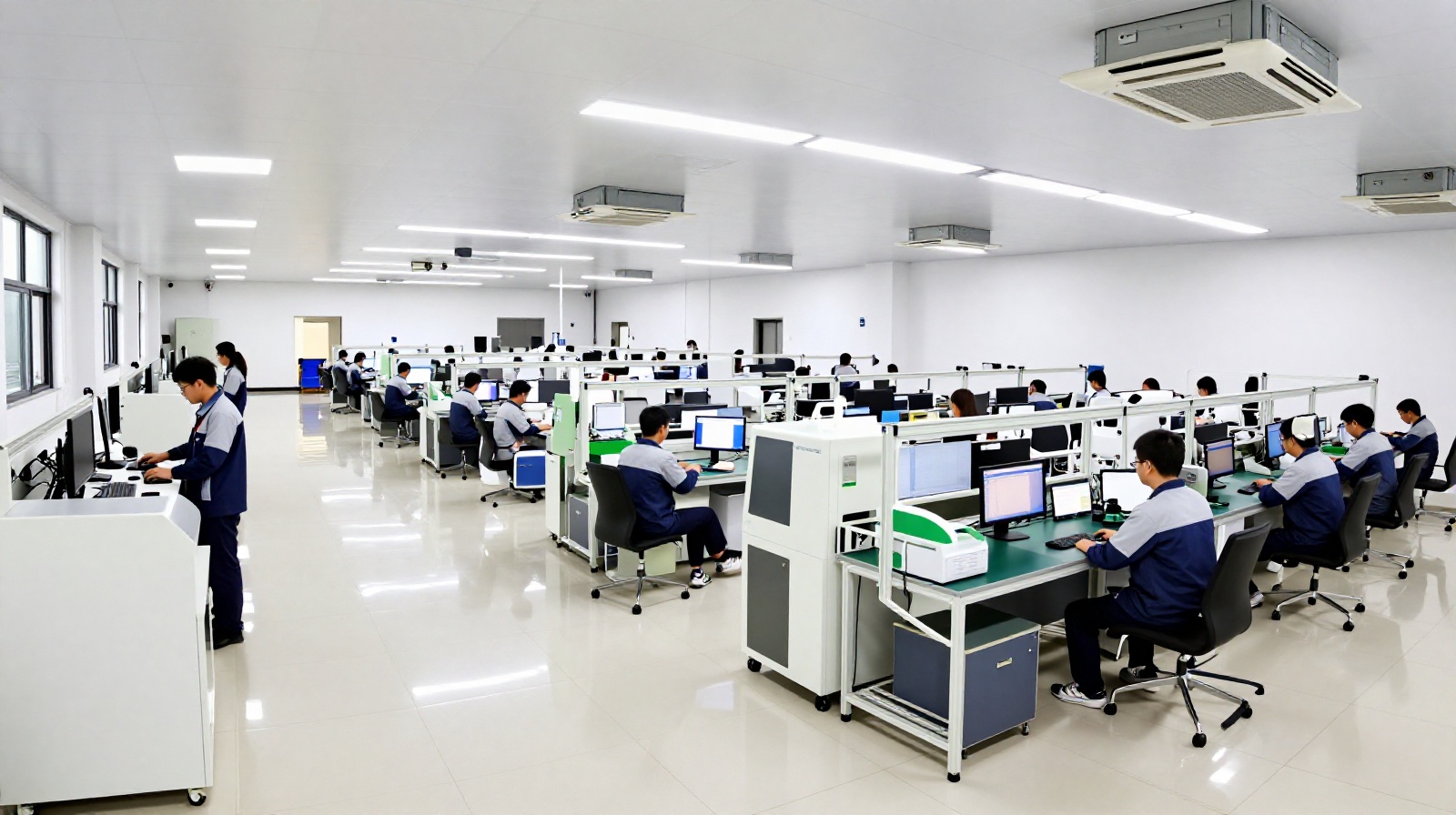
The facility we are visiting operates like a clean room. Workers wear anti-static smocks, hairnets, and shoe covers before entering the main production floor. The temperature is regulated year-round to protect sensitive electronic components. There are no visible exhaust fumes; ventilation systems constantly refresh the air.
More importantly, the employment relationship has changed. Most workers here, including Lin, have formal written contracts. They receive monthly payments directly into bank accounts and contribute to the state social security system—covering pension, medical care, and work-related injury insurance. While labor costs in China are rising, making some low-end manufacturing move to Southeast Asia, the factories that remain focus on higher value-added production where skilled operators are essential.
The Human Side: Wages and Career Paths
What about the money? A common assumption is that workers earn starvation wages. In this factory, a full-time operator with two years of experience earns roughly 6,000 to 7,000 RMB ($830-$970) per month, plus overtime pay when available. This is significantly higher than the national minimum wage and often exceeds local average incomes in surrounding rural areas.
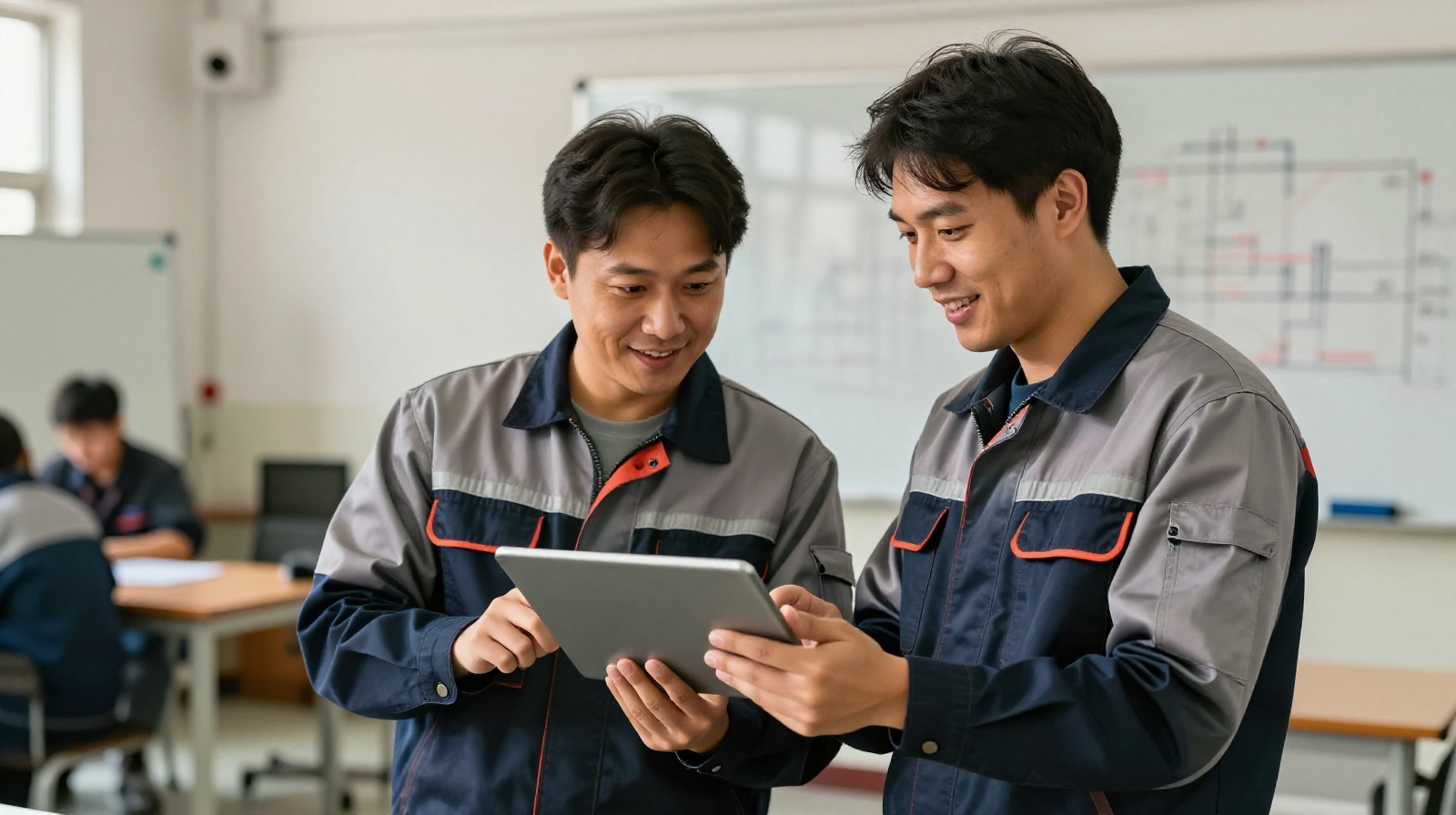
“I save half my salary to send home,” Lin explains. “But I also want to learn more. The company offers free training on robotics and automation.”
This reflects a broader shift in China’s economy. The era of relying solely on cheap, unskilled labor is over. As the government pushes for ‘Made in China 2025,’ factories are automating repetitive tasks. This has reduced the physical burden on workers but increased the demand for technical skills. Young people entering these factories today aren’t just looking for a paycheck; they see it as a stepping stone to becoming technicians or engineers.
The Challenge of Transition
However, the transition is not without friction. The factory floor is quieter now because fewer people are needed on the assembly line. Some workers who relied on manual dexterity have had to retrain or leave for other industries.
The pressure to maintain high efficiency and quality standards remains intense. Managers still track output per hour meticulously, and mistakes can lead to significant financial losses for the client. This creates a high-stress environment where attention to detail is non-negotiable.
Yet, compared to the images of “sweatshops” from 30 years ago, the modern reality is one of regulated safety, digital integration, and upward mobility. The workers are not victims of exploitation but participants in a rapidly evolving industrial ecosystem that demands precision and adaptability.
Conclusion: A Different Kind of Factory
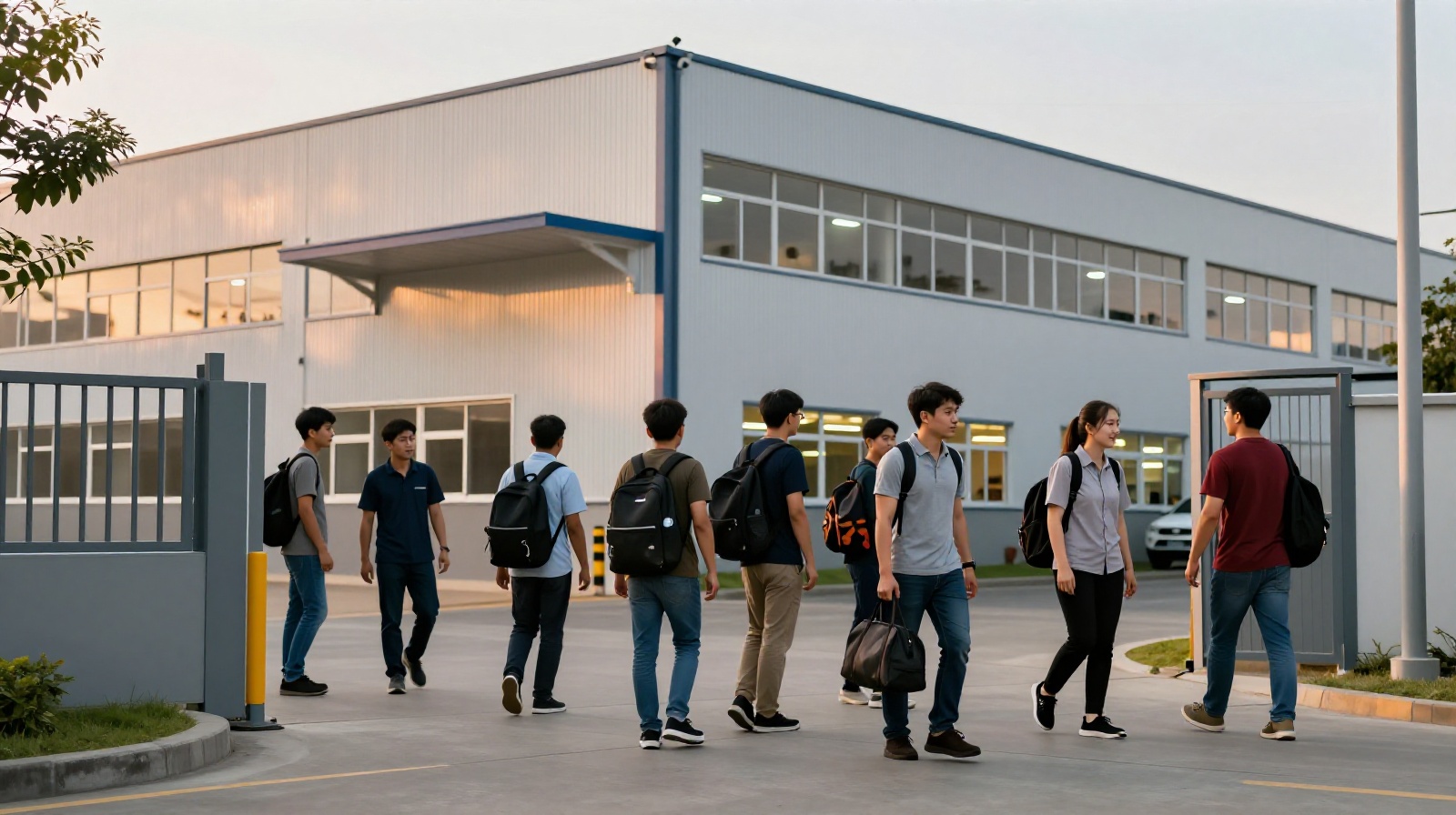
As I leave the factory at 5:30 PM, the shift change is bustling. Workers are clocking out, chatting about their evening plans—some going to a gym, others studying for exams online.
The narrative that China’s manufacturing sector is built on exploitation is outdated. Today’s factories are high-tech workplaces where safety protocols, legal protections, and technological advancement coexist. While challenges remain in balancing efficiency with worker well-being, the image of the suffering laborer in a dark basement no longer fits the reality of modern Chinese industry.
Understanding this shift is crucial for anyone trying to grasp how China truly functions today: not as a monolith of cheap labor, but as a complex, dynamic hub where technology and human potential are driving the next wave of global production.