

Beyond the Bone: A Different Way to Eat
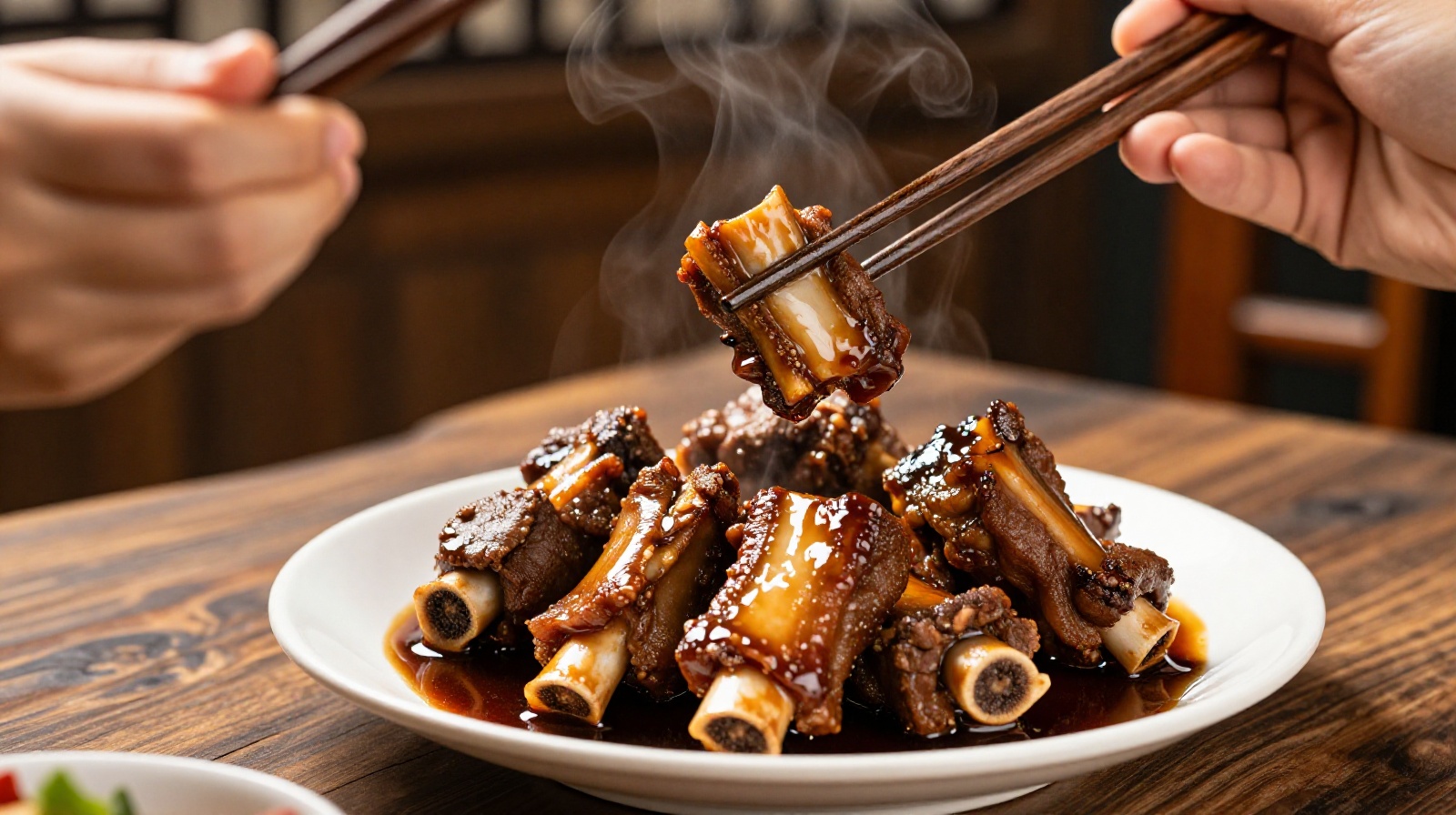
Imagine a dinner in a bustling Beijing restaurant. The table is crowded with steaming dishes, but one plate stands out: braised pork ribs, dark and glossy, covered in a thick sauce. Unlike in many Western countries where meat is served boneless or the bones are strictly separated from the eating process, here, the diners pick up these ribs with their hands or chopsticks. They bite down, chew, and gnaw. The sound of teeth scraping against cartilage and bone is not a sign of messiness; it is the expected rhythm of the meal.
The Culinary Logic: Where Flavor Lives
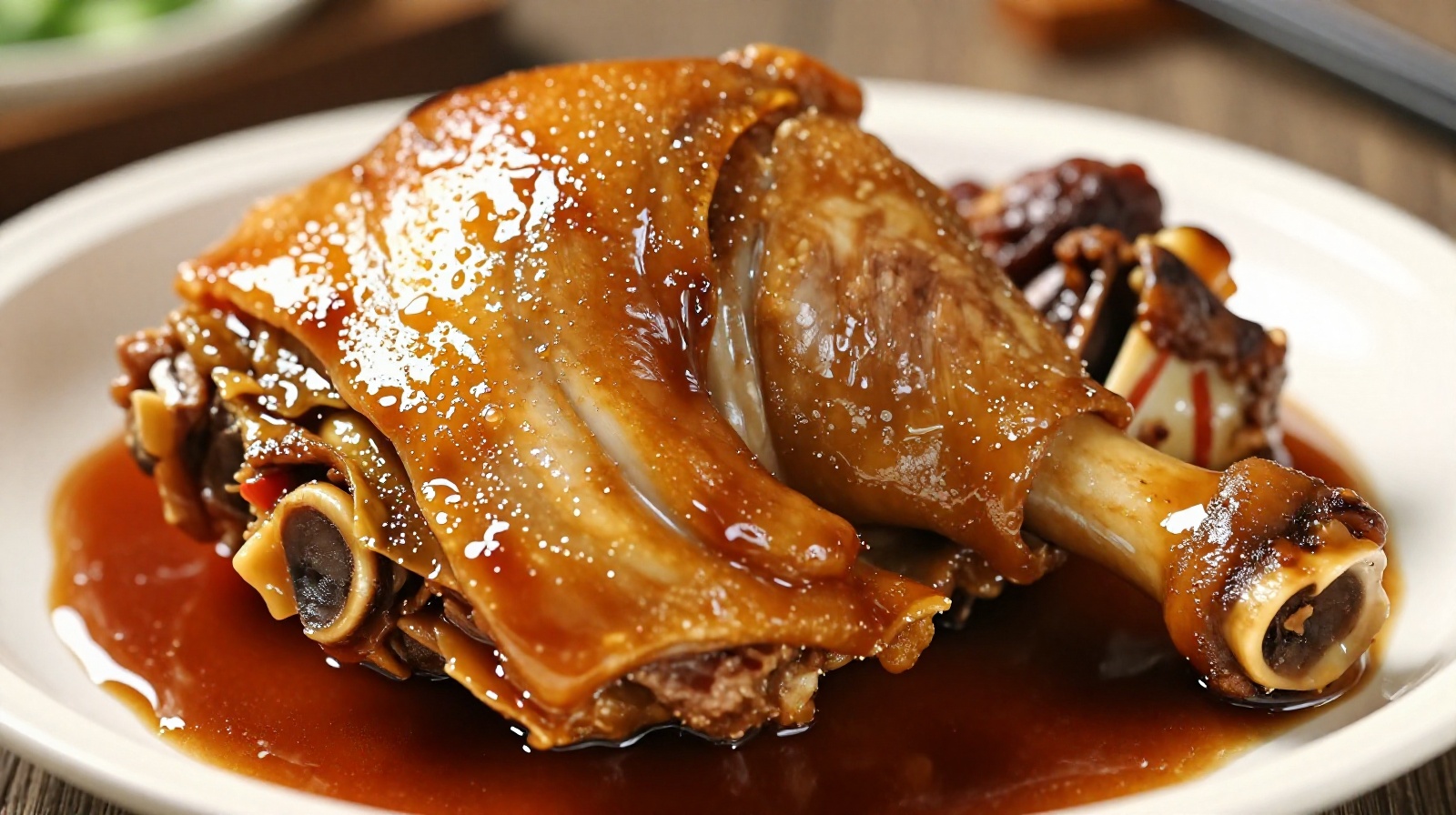
To an outside observer, skipping the meat to get to the bone seems inefficient. However, in Chinese culinary philosophy, the bone is not waste; it is a vessel for flavor. The marrow inside long bones holds rich fats and gelatin that dissolve into the sauce during long braising or stewing processes. When you gnaw on a chicken leg or a fish head, you are tasting the essence of the broth absorbed into the connective tissues.
This approach reflects a historical necessity turned culinary art form. For centuries, resources were scarce in China. To maximize every gram of protein and flavor, cooks developed techniques to extract taste from parts that might seem tough elsewhere—cartilage, tendons, and bones. Today, this is no longer about survival; it is about texture and depth. The contrast between the tender meat and the chewy cartilage creates a sensory experience that boneless cuts simply cannot replicate.
From Fish Heads to Chicken Wings: A Menu of Bones
You might wonder if this applies only to ribs. In reality, almost any part with bone is fair game in China, provided it is cooked correctly. Consider the fish head soup, a delicacy in southern China. The eyes and cheeks are considered premium cuts, rich in collagen. Or take the spicy stir-fried chicken wings, where the meat is often pulled off the bones by hand, leaving behind a clean skeleton that signals you have enjoyed every bite.
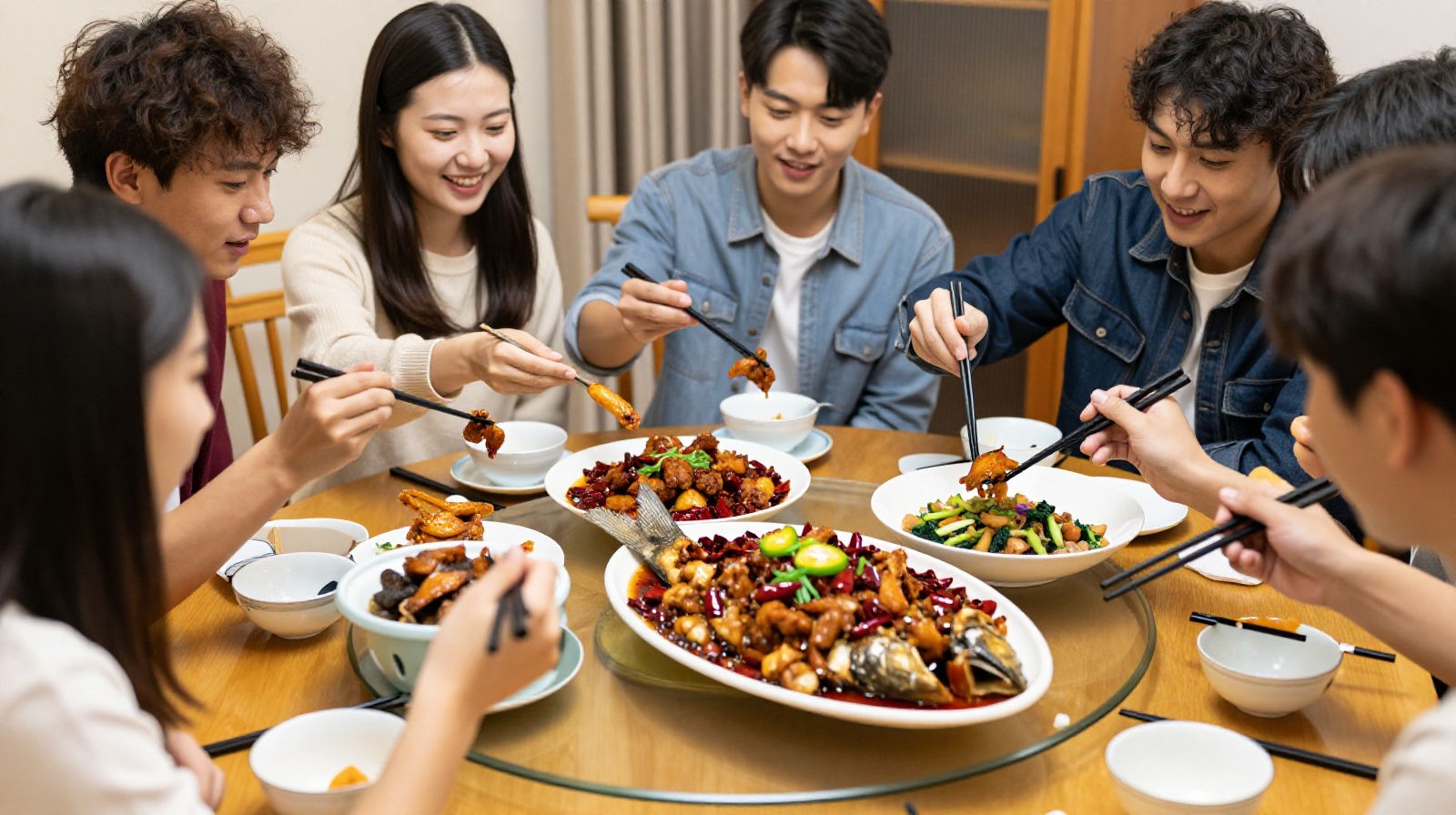
The communal act of eating around shared bone-in dishes fosters connection and conversation.
Even small whole fish are served with their heads and tails intact. Diners carefully navigate around the bones to reach the most succulent meat in the center. This requires skill and patience, turning eating into an interactive experience rather than a passive consumption of pre-portioned food.
The Social Art of Eating Together
Beyond flavor, gnawing serves a social function. Chinese dining is inherently communal. Dishes are placed in the center, and everyone shares. The act of working together to extract meat from a shared platter—whether using chopsticks or hands—creates a sense of intimacy and equality.
It breaks down barriers. There is no rigid etiquette that separates you from your food; instead, you engage with it directly. This informal interaction fosters conversation and connection. The messy plates at the end of the meal are not seen as a failure of service, but as evidence of satisfaction. A clean bone left on the plate often signifies that the diner was too full to eat another bite, or simply that they have mastered the art of getting every drop of flavor.
A Modern Tradition
As China modernizes and becomes wealthier, one might expect a shift toward convenience. Supermarkets sell pre-cut, boneless meats by the kilogram. Yet, the desire to gnaw remains strong. In fact, it has evolved into a form of cultural pride. Dining out with friends often involves ordering complex dishes that require effort—like crab, where the shell must be cracked, or lamb skewers from Xinjiang, eaten straight off the bone.
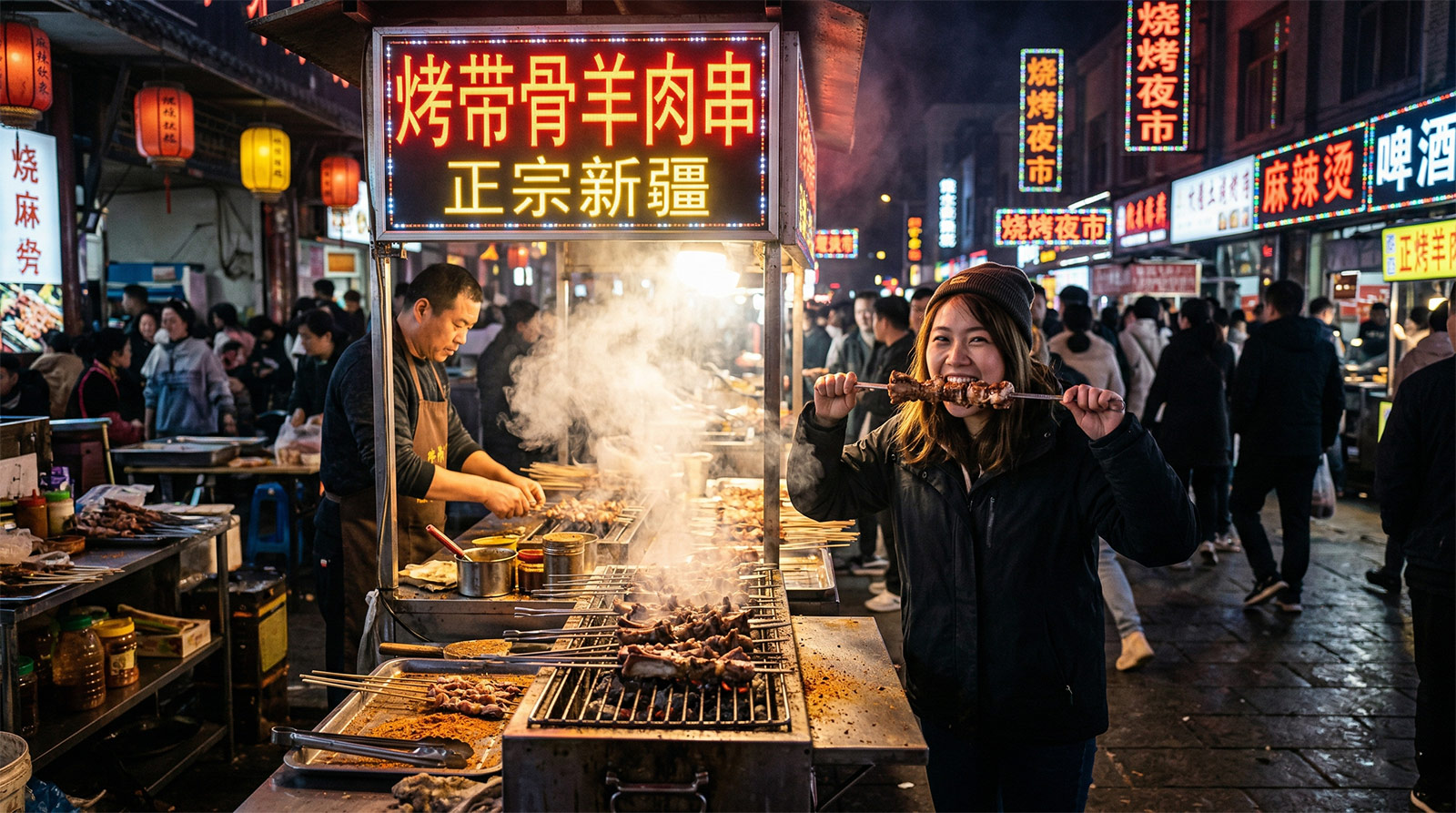
From home cooking to street food, the art of gnawing remains a central part of modern Chinese dining.
This persistence shows that for many Chinese people, food is not just about nutrition or speed. It is a ritual of appreciation. The time spent chewing and gnawing slows down the meal, allowing flavors to linger and conversations to deepen. In a world increasingly driven by efficiency, the art of gnawing offers a reminder that some things are best enjoyed slowly, with both hands and heart.