
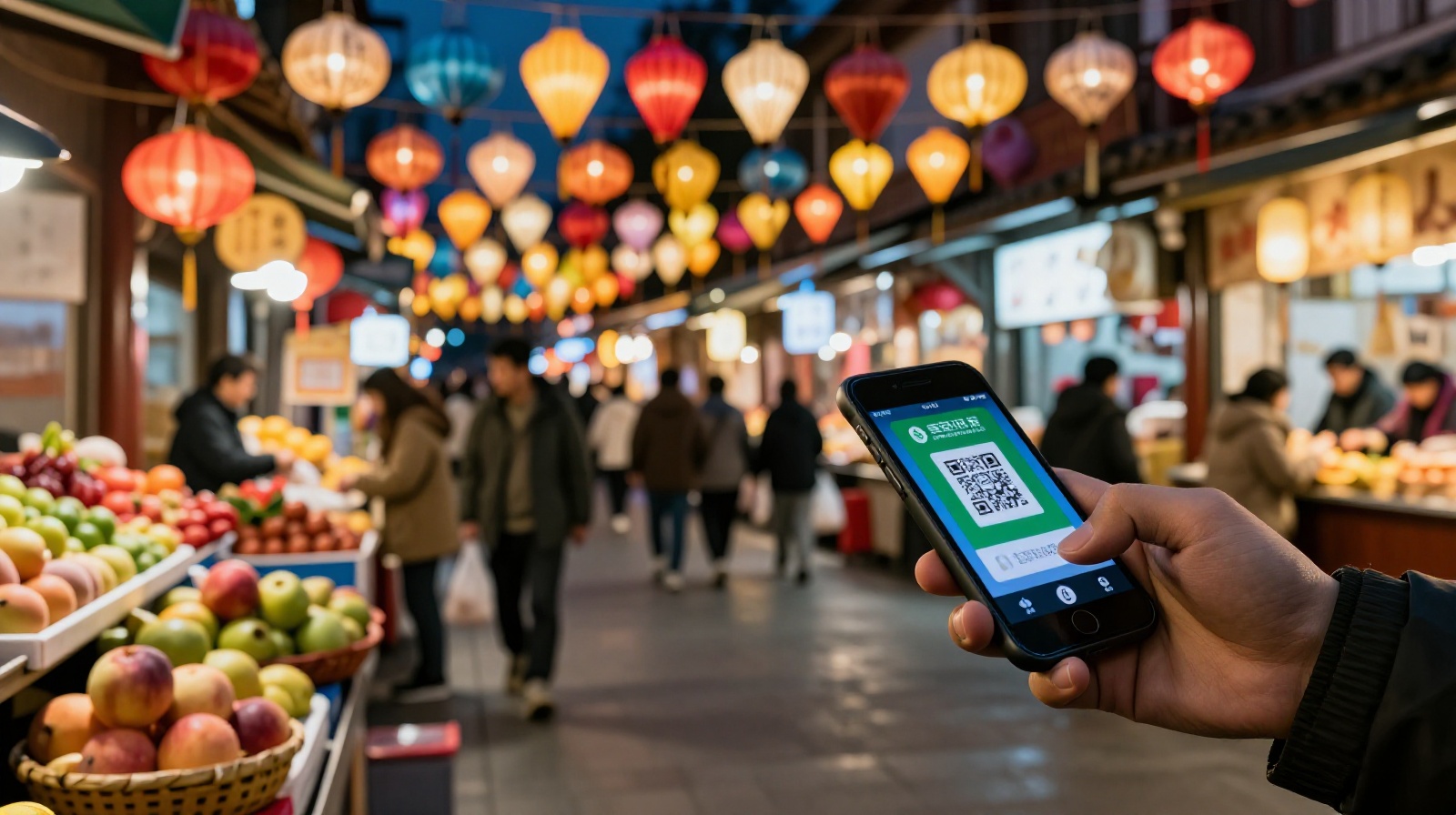

Why ‘Ni Hao’ Isn’t Enough
You’ve likely memorized “Ni hao” (Hello) and “Xie xie” (Thank you). These are the polite foundation, but in China’s bustling streets, they often leave you stuck at the entrance of a conversation. In 2024, navigating China isn’t just about sightseeing; it’s about interacting with a society where digital convenience meets traditional market chaos. A tourist who only speaks basic greetings might get served cold food or overpay for souvenirs, while someone who tries to bridge the gap gets invited in.
The barrier isn’t just language; it’s expectation. When you attempt even a broken phrase, locals don’t just hear words; they see an effort to understand their world. This article cuts through the noise with five phrases that solve real travel pain points: ordering food without pointing, haggling without being rude, and asking for help when technology fails.
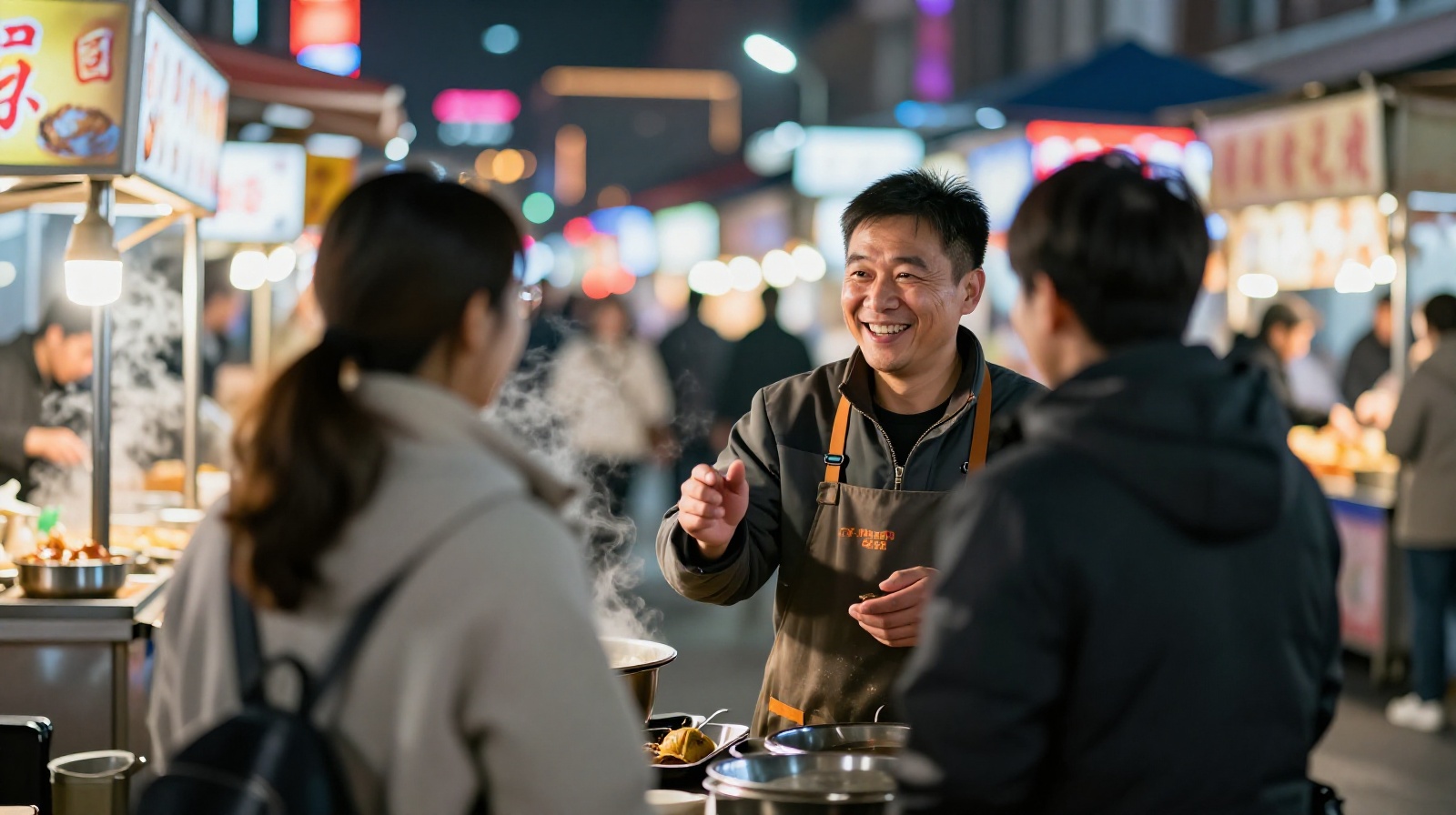
1. “Wu shi me qian?” (How much is this?)
In Western malls, price tags are sacred. In China’s night markets or street stalls, they often don’t exist. You can see a beautiful scarf or a basket of fruit, but the price is hidden behind a smile. The polite way to ask isn’t “How much?” but “Wu shi me qian?” (pronounced: Wu shi-meh chyan?).
This phrase instantly shifts the dynamic from “customer vs. seller” to “potential buyer.” In many tourist areas, vendors might quote a high price for foreigners initially. Using this specific phrasing signals you are ready to negotiate, not just browse. It’s a cultural handshake that says, “I respect your business; let’s talk numbers.” If the price is too high, you can follow up with “Gui le” (It’s expensive), which is the universal signal for “lower it” without being aggressive.
2. “Bie ke qi le” (Don’t be so polite)
This phrase often confuses Westerners. Imagine a waiter brings extra food you didn’t order, or a shopkeeper insists on giving you a free sample. In the US or Europe, you might say, “No thank you,” and they respect it. In China, refusing too firmly can feel like rejecting their kindness.
Instead, try “Bie ke qi le” (pronounced: Byeh kuh-chee lay). It translates to “Don’t be so polite/formal.” It acknowledges their generosity while gently setting a boundary. If they insist on the free gift anyway, you can smile and say “Zhen de bu yong” (Really not needed), which is softer than a hard no. This phrase saves you from awkwardness and shows you understand the Chinese concept of “face” – that social harmony is more important than strict rules.
3. “Qing wen…” (Excuse me, may I ask…)
In English, we say “Excuse me” to get attention. In China, a simple “Excuse me” can sound too abrupt or even rude when asking for directions. The magic word is “Qing wen” (pronounced: Ching wen), literally meaning “Please ask.”
Whether you are lost in the subway system of Shanghai or looking for a specific tea house, start with “Qing wen, shi…?” (Excuse me, is it…). This prefix acts as a softener, showing deep respect to the person you are addressing. It works on everyone from security guards to grandmothers selling fruit.
In China’s vast cities, where English signage can be spotty in older neighborhoods, this polite opener ensures people take the time to help you rather than just pointing vaguely. It transforms a potential annoyance into a helpful interaction.
4. “Wei shen me…” (Why is it… / What about…)
You are at a restaurant. The menu has pictures, but you don’t know what’s in the dish. Or you want to order spicy food but need to specify the level. In China, menus often lack detailed ingredient lists compared to Western restaurants.
Use “Wei shen me…?” (pronounced: Way shun-meh) not just for “Why,” but as a conversational tool for clarification. For example, point to a dish and say “Wei shen me la?” (Is it spicy?). If you want to confirm the price or ingredients, adding “…ma?” at the end turns the statement into a question.
This phrase is your lifeline for avoiding dietary disasters. In many places, “Wei shen me” implies curiosity and engagement, making the staff more willing to explain the dish rather than just taking an order. It bridges the gap between the digital menu you might be used to and the physical reality of a local kitchen.
5. “Jiu zhe yang” (Just like this / That’s it)
The most frustrating moment in travel is when technology fails. What if your phone battery dies, or a delivery app doesn’t work? You need to confirm the order or stop a service immediately.
The phrase “Jiu zhe yang” (pronounced: Jeeu jeh-yang) means “Just like this” or “That’s it.” It is incredibly versatile. Use it when paying cash to tell the vendor, “Keep the change,” or when a waiter brings you a dish and you want them to stop bringing more.
In a high-speed China where apps handle everything from payments to ride-hailing, sometimes the human element takes over. This phrase signals finality and satisfaction without needing complex sentences. It’s the digital-age equivalent of nodding and walking away with a satisfied smile.
How to Practice Without Fear
The biggest hurdle for travelers is fear of making mistakes. In China, a wrong tone can change “dog” (gou) to “good” (hao), but locals are remarkably forgiving. They appreciate the attempt far more than perfect grammar.
Start with just one phrase a day. Try “Qing wen” when asking for directions, or “Wu shi me qian?” at a market stall. You will be surprised by how quickly the atmosphere shifts from transactional to friendly. Many travelers report that using these phrases led to free fruit samples, better seats on buses, and invitations to dinner.

The Real Value of Connection
China has changed rapidly. The cities are filled with high-tech convenience stores and electric scooters, but the heart of the country still beats in human connection. Learning these five phrases isn’t about fluency; it’s about respect.
When you speak Chinese, even imperfectly, you stop being just a tourist in the background. You become a participant in the scene. You are no longer looking at the world through a screen; you are engaging with it directly. So next time you visit, leave the textbook behind and try these phrases. You might find that “Xie xie” isn’t enough, but “Jiu zhe yang” opens the door to everything else.