

The $500 Tent in the City Park
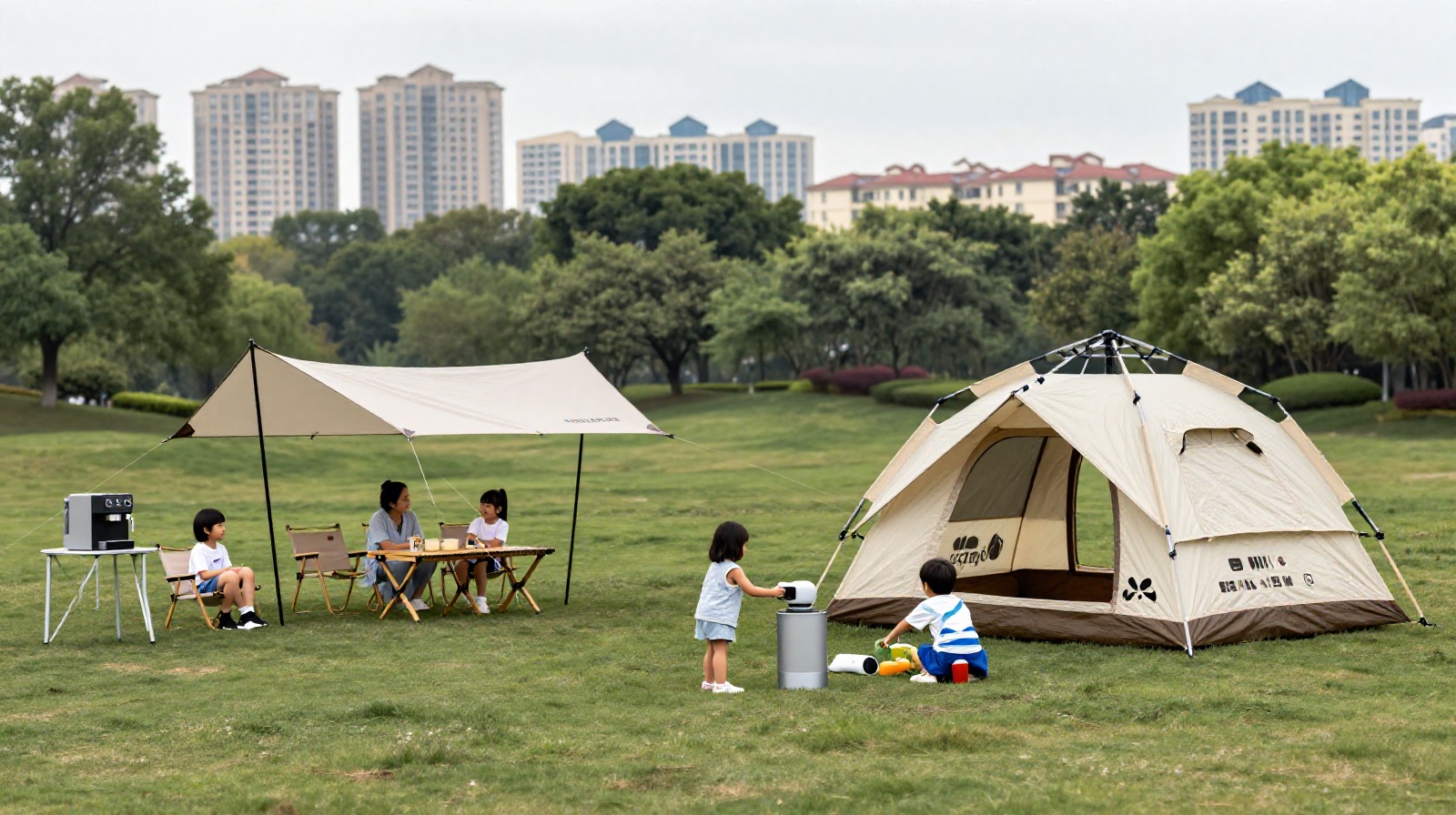
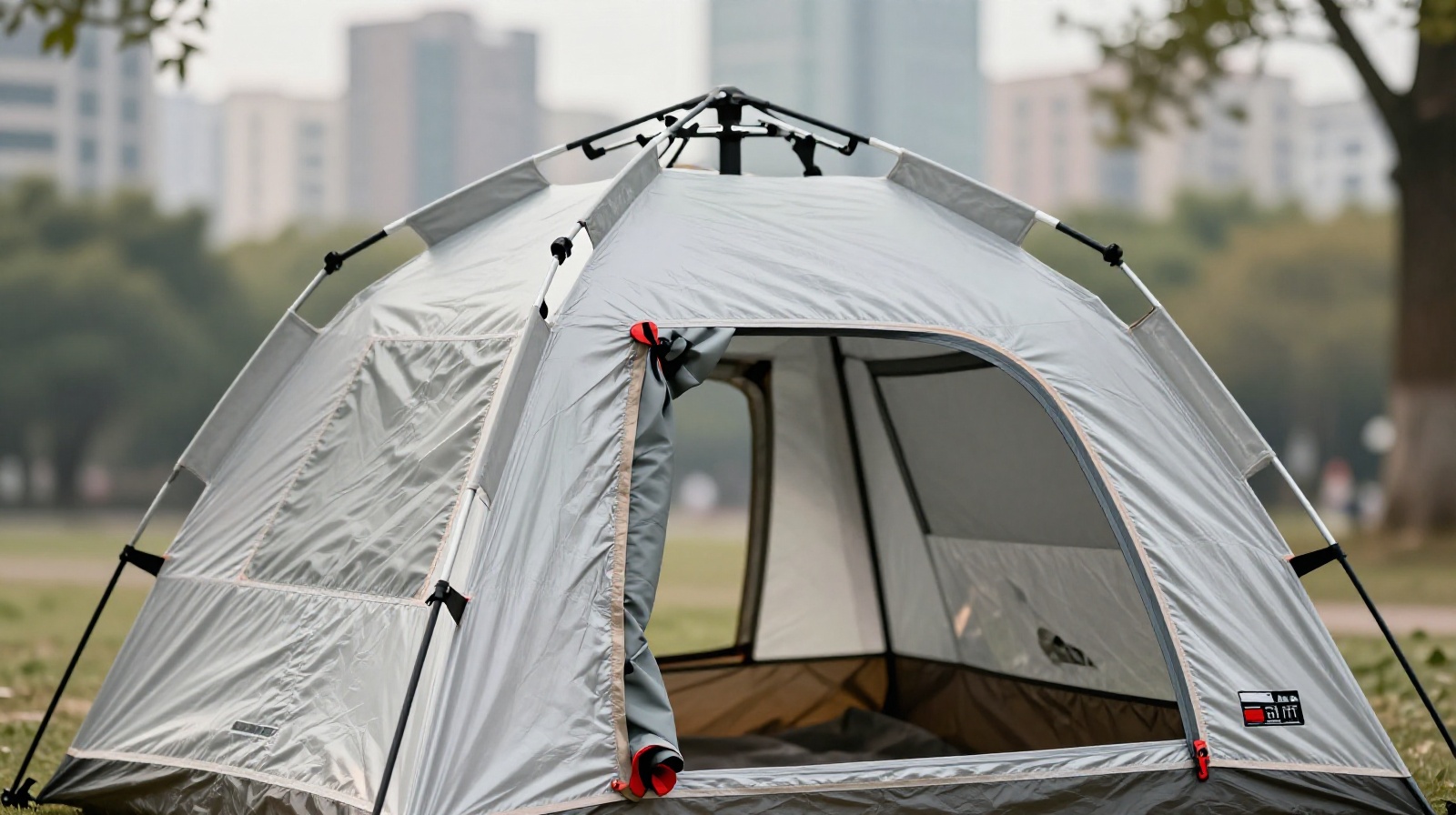
Imagine a Saturday morning in Hangzhou. Instead of sleeping in, Li Wei wakes up at 6 AM to fold his tent. But this isn’t the kind of tent he slept in as a child in rural Sichuan—the one that leaked when it rained and weighed him down on the hike. This is an instant-setup dome with silver-coated fabric, costing nearly $300.
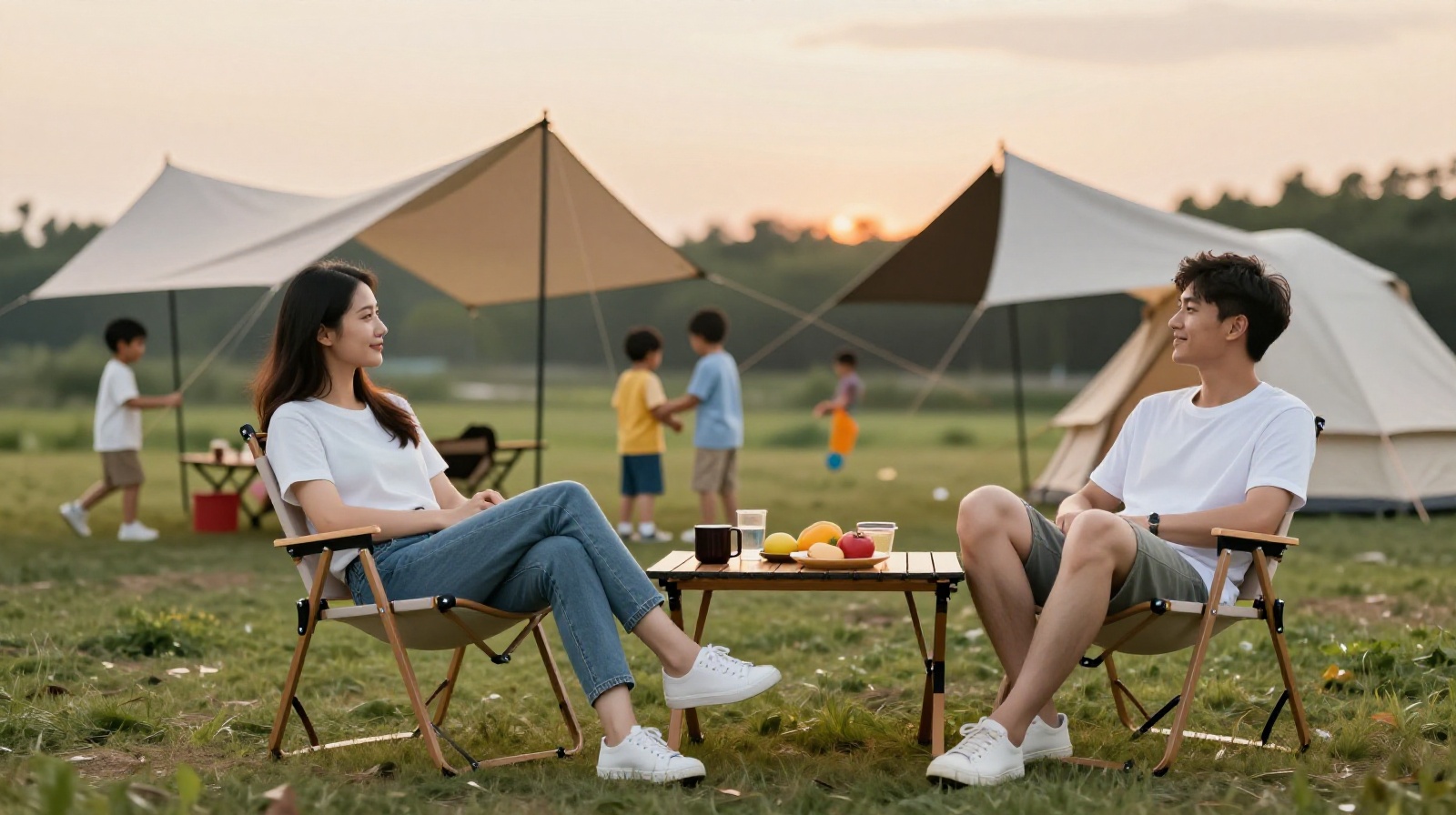
Li’s wife, Sarah, is busy brewing pour-over coffee using a specialized portable stove, while their 4-year-old daughter plays in a designated sandpit nearby. The cost for this single weekend? Roughly $800. It includes the gear rental (or purchase), premium organic food delivery, and entry fees to a managed campsite that offers private bathrooms and high-speed Wi-Fi.
For many urban Chinese families like Li’s, this isn’t just camping; it is glamping. And in a country where traditional outdoor recreation has historically been about endurance or free public access, this shift represents a fundamental change in what ‘luxury’ means today.
Why the Explosion of ‘Glamping’?
To understand why camping is now considered a luxury good, you have to look at the constraints of modern Chinese life. In major cities like Shanghai or Shenzhen, space is incredibly tight. Most people live in high-rise apartments without private yards.
In Europe or North America, ‘going for a weekend’ often means driving an hour to a national park and pitching a tent in the dirt. It’s about rugged individualism and nature on your terms. In China, however, the rapid urbanization has left little room for true wilderness within city limits. The solution? A curated version of nature.
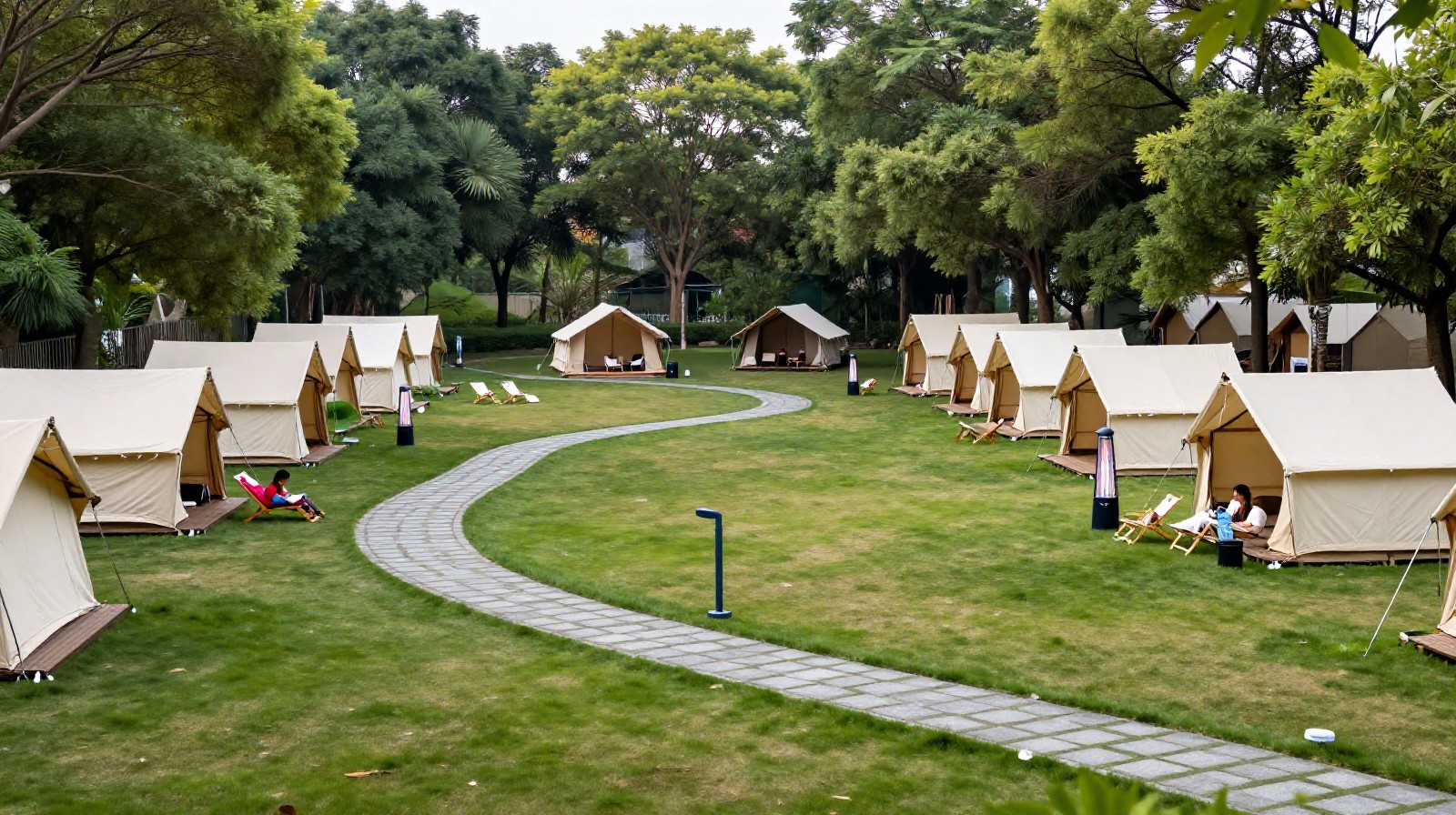
Today’s popular campsites are often located in scenic areas just 20 to 40 minutes from the subway or highway exit. They aren’t wild; they are manicured gardens designed for comfort. You get electric heating, private showers with hot water, and even air conditioning in some tents. The ‘wilderness’ is a backdrop, not an adversary.
The Price Tag of the New Middle Class
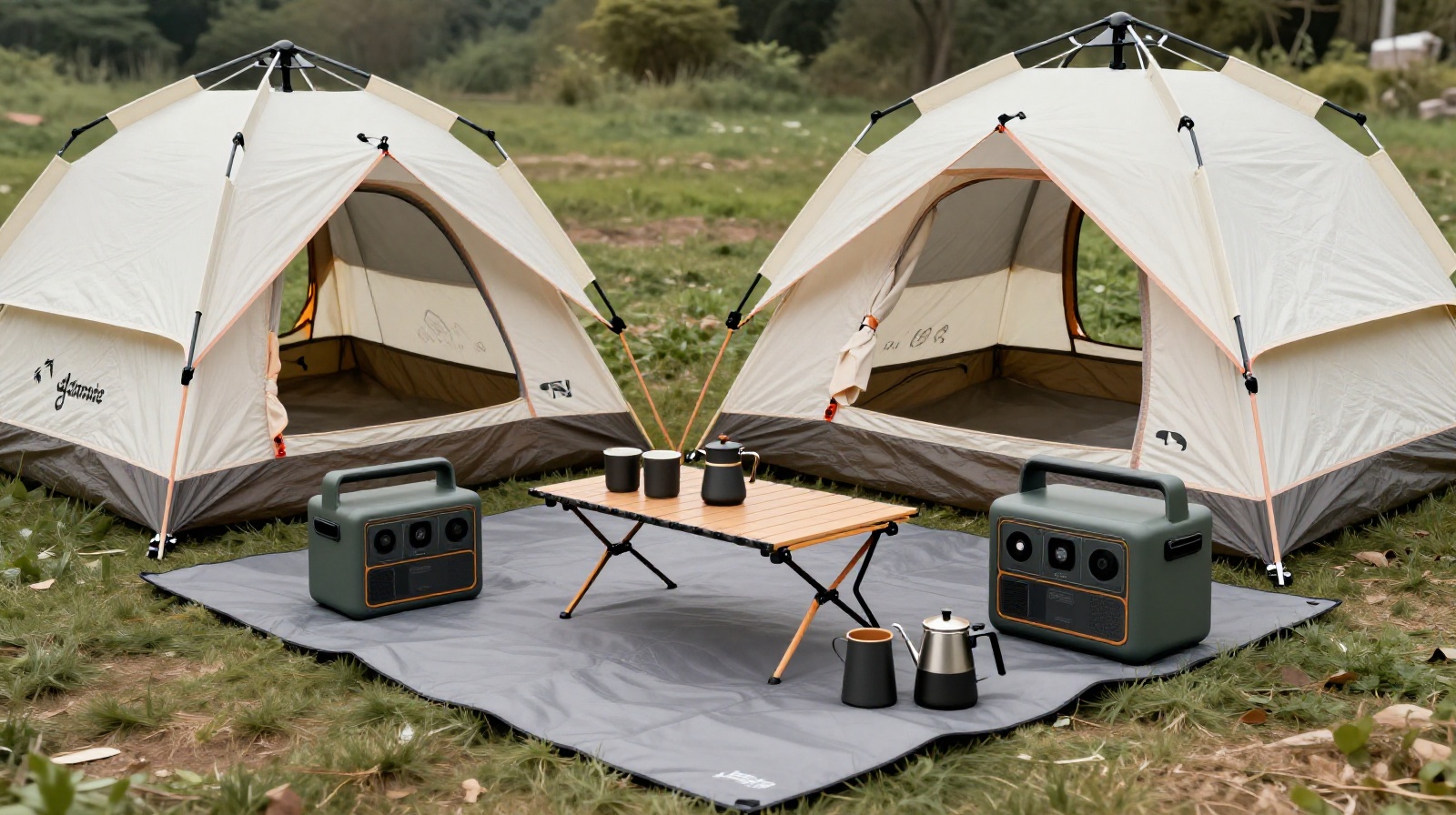
So, what makes this a luxury? It comes down to the equipment and the service model. A standard camping setup in China can easily exceed $1,500 if you buy high-end gear: a tent from brands like Naturehike or The North Face, an inflating sleeping mat, a specialized coffee set, and portable power stations.
But the real cost isn’t just the gear. It’s the time saved. In China, the concept of ‘quality time’ has become synonymous with spending money to optimize convenience. Renting this setup from a service provider costs $50-$100 per day but includes everything: transport, setup, and cleanup.
This mirrors a broader trend in Chinese consumption. As the middle class grows, they are no longer buying things just for utility; they are buying experiences that signal status and taste. ‘Glamping’ allows them to enjoy nature without the hassle of logistics—a luxury previously reserved for those with private estates or vast amounts of free time.
A Shift in Social Rituals
For Li Wei, the shift is also deeply social. In the past, family gatherings were often crowded dinners at noisy restaurants. Now, weekends are about ‘chill’ moments. The campsite becomes a neutral ground where parents can escape the pressure of work and children can play freely.
This reflects a changing economic landscape. As China’s economy shifts from pure manufacturing to service and consumption-driven growth, new markets emerge. The camping industry is one such example. It’s not just about selling tents; it’s about selling an escape from the intense ‘996’ work culture (9 AM to 9 PM, 6 days a week) that defines many urban lives.
The rise of ‘glamping’ shows how Chinese consumers are redefining luxury. It’s not always about gold or brand names; sometimes, it’s about having the freedom to disconnect and the money to make that disconnection comfortable.
Conclusion: A New Definition of Freedom
Camping in China has evolved from a rugged necessity into a sophisticated leisure activity. It is a testament to how quickly consumer culture adapts to local needs. For the urban middle class, it represents a small but precious slice of freedom—a chance to breathe fresh air without leaving the comfort zone.
As more people join this trend, the line between ‘wilderness’ and ‘lifestyle’ continues to blur. But for now, as long as there are families willing to pay $800 for a weekend in the woods, the dream of a perfect nature escape remains alive—and expensive.