


When the Holiday Silence Falls
Liu Wei stared at her phone screen, watching a video of her cat, Mochi. It was 7:00 PM on the second day of the Lunar New Year. While most families in Beijing were feasting together, Liu sat alone in her apartment, missing her orange tabby. Like millions of others, she couldn’t travel with Mochi due to strict airline regulations and the stress of long-distance transport. The traditional solution—asking a friend or neighbor—was risky; nobody wanted to be responsible for a pet’s sudden illness.
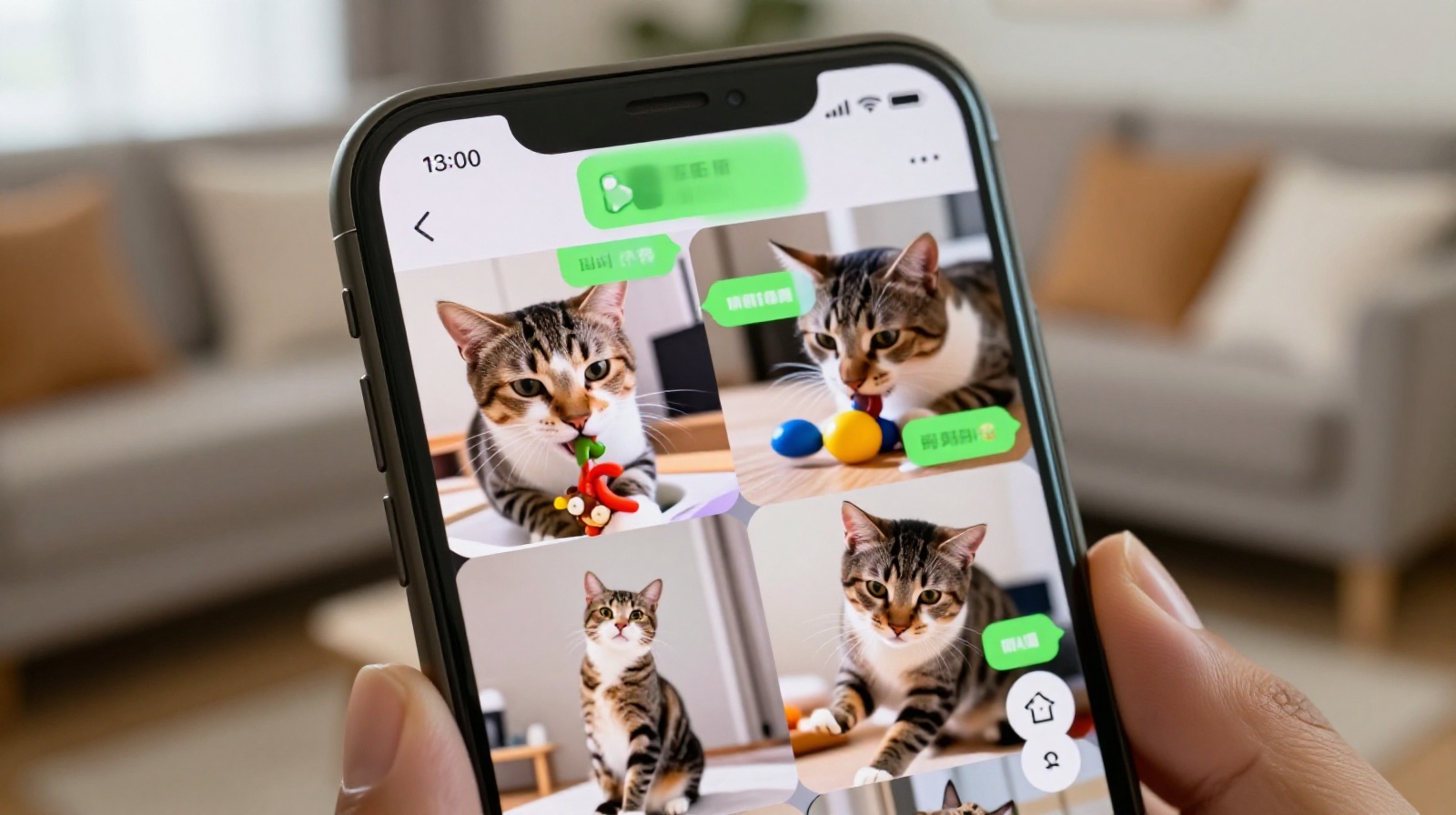
Instead, Liu turned to a digital marketplace. Within minutes, she booked “MeowCare,” a local cat-sitting service. By 10:00 AM the next day, a young man named Chen arrived at her door. He didn’t just drop off food; he spent an hour playing with Mochi, cleaning the litter box, and sending Liu three short video updates via WeChat.

The Gig Economy Meets Feline Needs
This scene is becoming routine across China’s Tier 1 cities like Shanghai, Shenzhen, and Chengdu. What started as a casual favor among neighbors has evolved into a legitimate profession known locally as “online cat-sitter” or “pet nanny.”
The process is surprisingly streamlined. Pet owners download apps like Xiaohongshu (Little Red Book) or specialized platforms such as PetPals. They list their pet’s needs—dietary restrictions, medication schedules, and temperament. The sitters, often university students or young professionals seeking flexible income, create profiles with background checks, vaccination records for themselves, and testimonials from previous clients.
What the Job Actually Involves
A standard visit lasts 45 to 60 minutes. It’s not just about pouring dry kibble. Sitters are expected to:
- Prepare fresh wet food and change water bowls.
- Clean litter boxes thoroughly, often using a handheld vacuum for fur cleanup.
- Spend time engaging with the cat through play or gentle grooming.
- Take high-quality photos and videos as proof of care.
Pricing varies by city but typically ranges from 30 to 80 RMB ($4-$11) per visit, sometimes higher for holidays. For Liu, paying Chen was less about the transaction and more about peace of mind. “I get a video of Mochi purring while I’m eating dinner with my parents,” she said. “It feels like they are taking care of him together.”
A Reflection of Changing Demographics
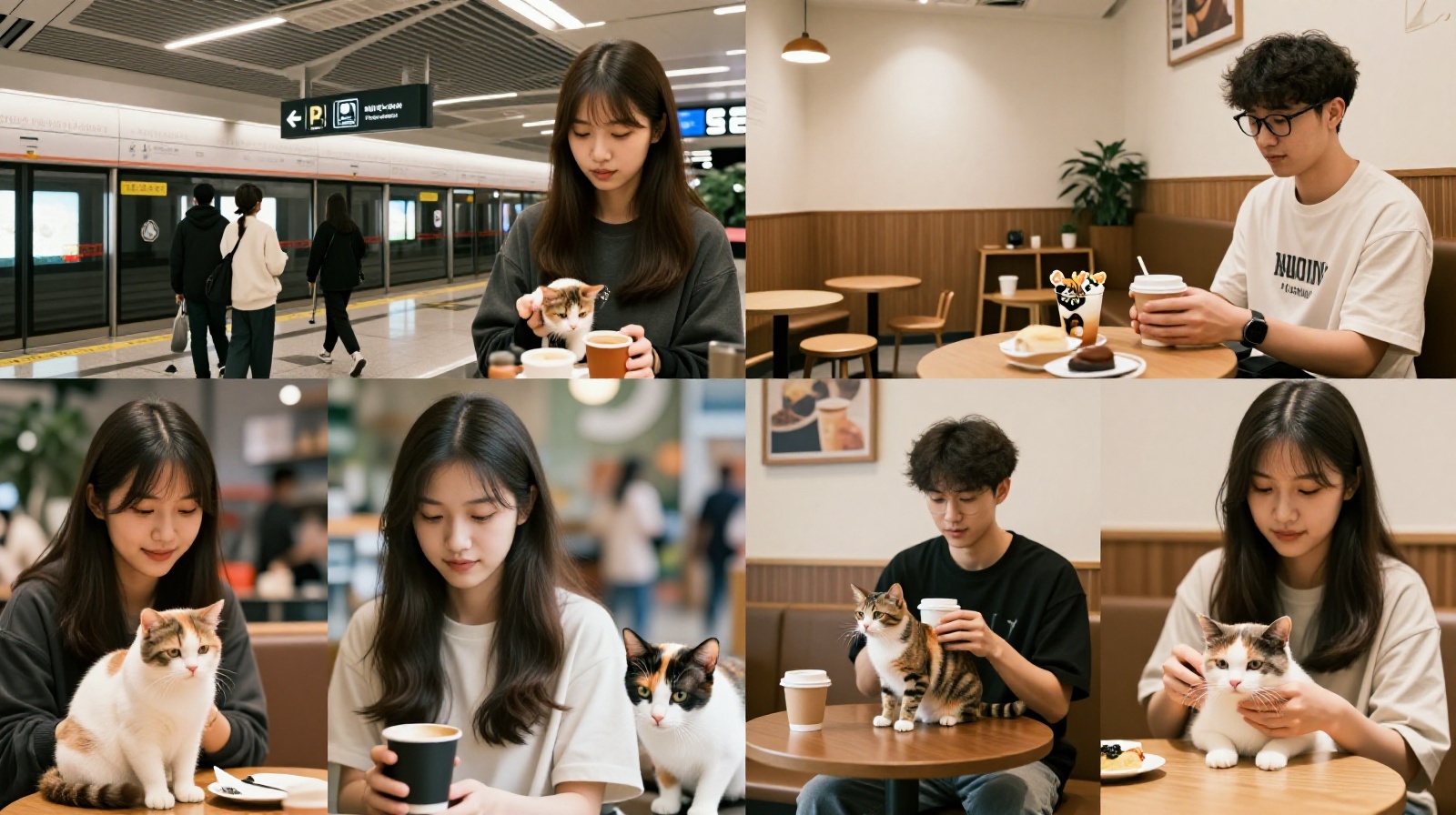
The explosion of this service mirrors a massive shift in Chinese urban life: the rise of single-person households and the deep emotional bond people have with pets.
According to recent industry reports, over 100 million pet-owning families exist in China, with cats surpassing dogs as the preferred companion for young adults. For many post-90s and 00s generation citizens, a cat is not just an animal; it’s a family member. When they travel during holidays like Spring Festival or National Day, leaving them behind feels like abandoning a child.
Trust in the Digital Age
How does society trust a stranger to enter their home? The answer lies in China’s unique digital ecosystem.
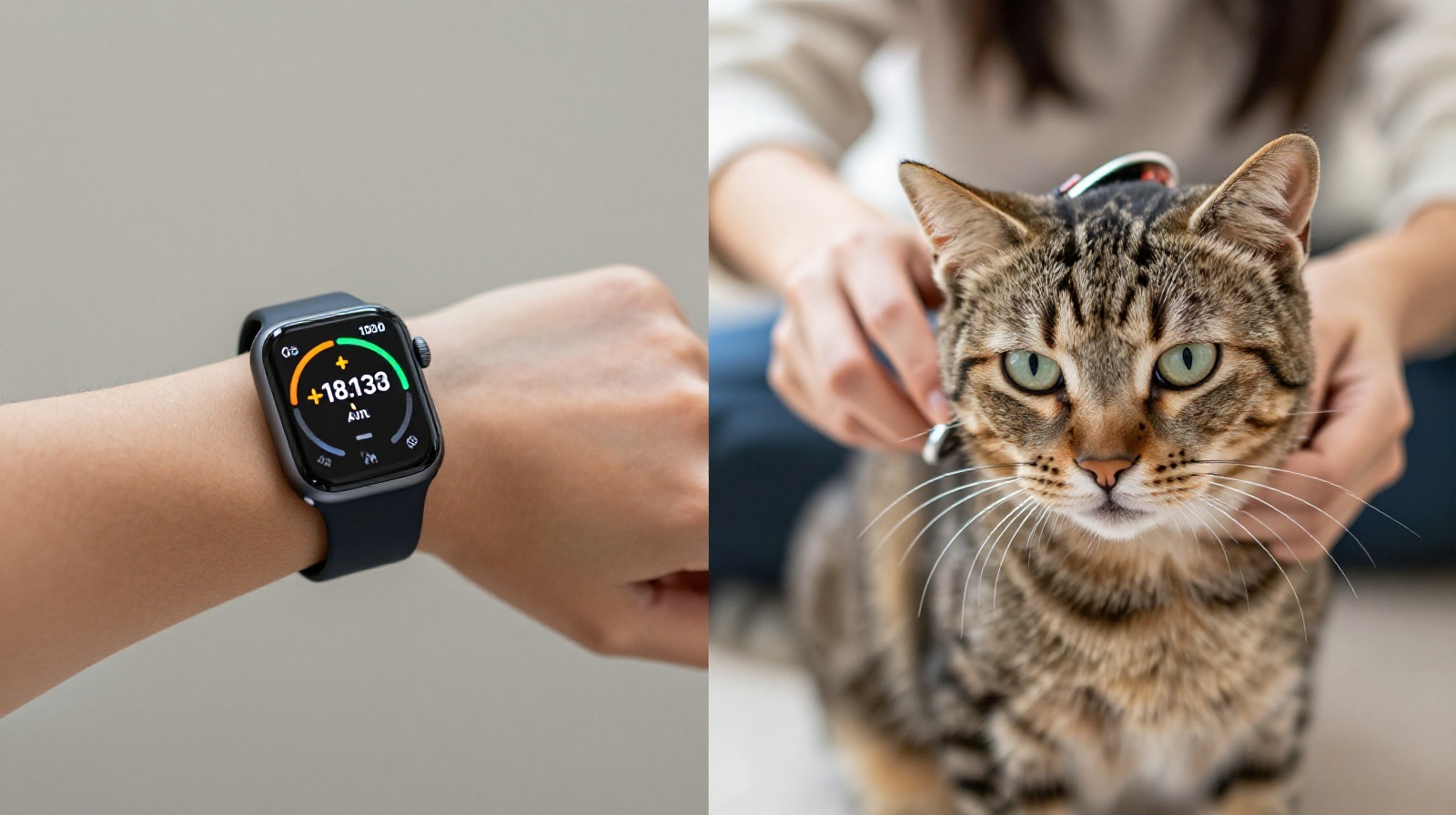
Platforms require real-name verification linked to national ID cards. Sitters often wear smartwatches or body cameras that record the session, which can be shared with owners instantly. Some services even offer “live streaming” options where owners can watch the visit in real-time from their hotel rooms halfway across the world.
This transparency has built a culture of mutual trust. Chen, the sitter who visited Liu’s home, told us, “I treat these cats like my own cousins. If I don’t love animals, I wouldn’t do this.” His reputation on the app is his currency; one bad review could end his income source.
More Than Just a Job
The rise of professional cat-sitters reveals something deeper than economic efficiency. It shows how modern Chinese society adapts to loneliness and emotional needs through technology and community.
In a country where traditional extended families are shrinking, this new role fills the gap. It creates a network of care that extends beyond bloodlines. For pet owners like Liu, it means they can enjoy their holidays without guilt. For sitters like Chen, it offers flexible work that fits around their studies or other jobs.
As China continues to urbanize and its population ages, services like this are likely to expand further. They represent a quiet revolution in how people care for one another—and the animals they love—in an increasingly digital world.