

A Key in the Pocket, a Heart at Home
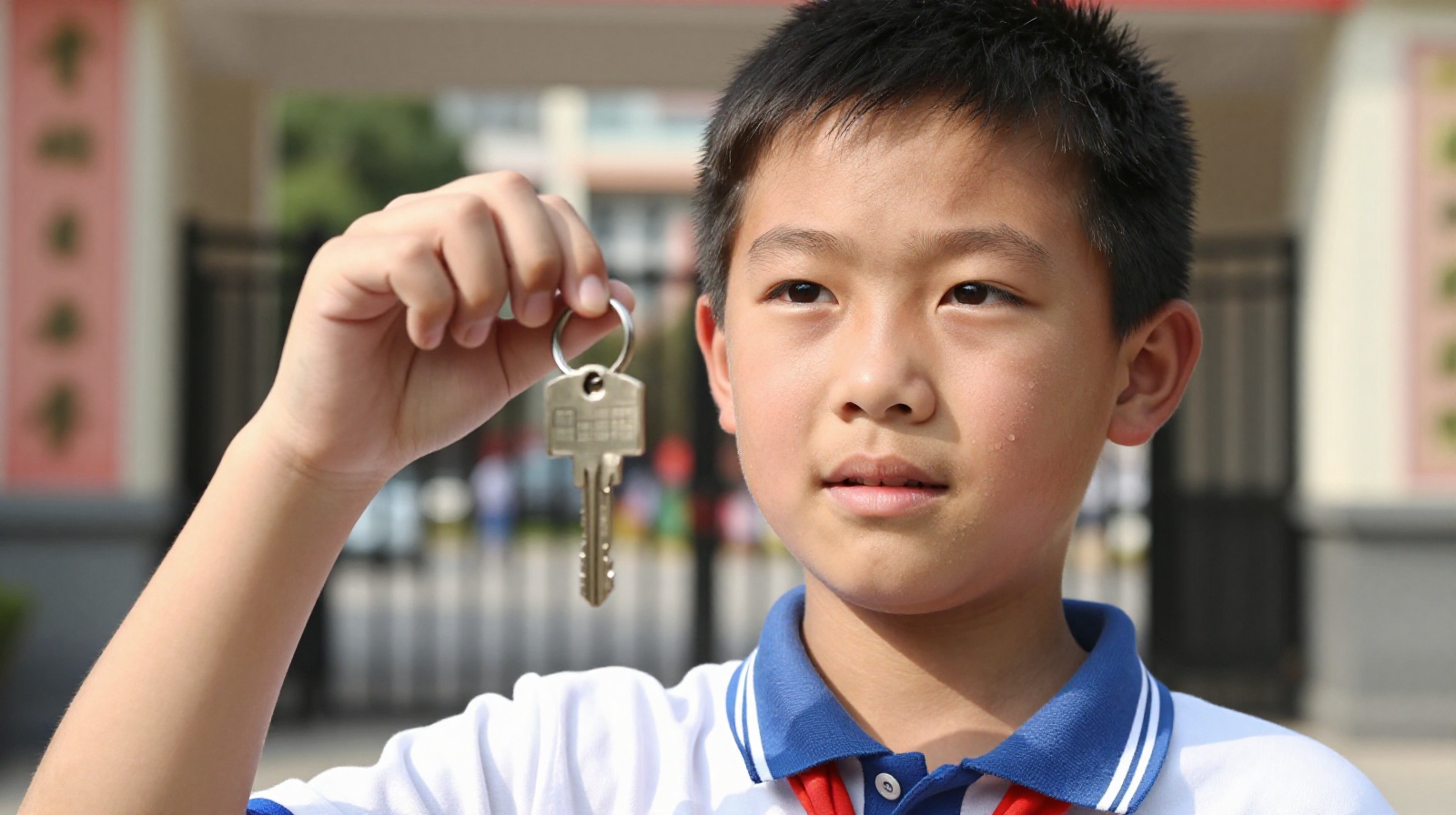
It’s 4:15 PM on a Tuesday. The school bell rings, and children flood out of the gate. Most rush to meet their parents, but for six-year-old Li Ming, the day doesn’t end there. He pulls a house key from his pocket—the “latchkey kid” routine is common in China’s urban centers where both parents work full-time.
Where Did This Come From?
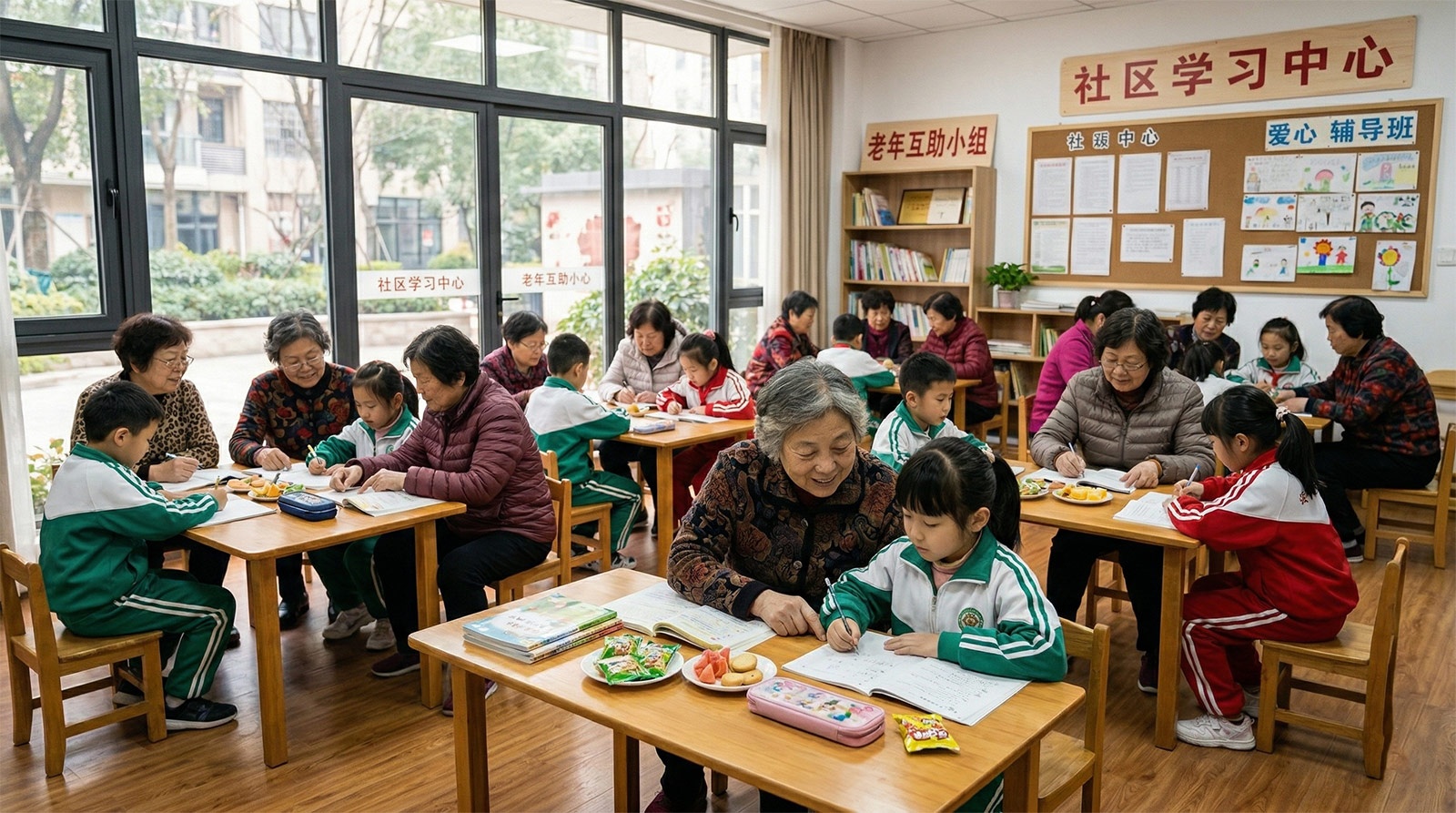
This isn’t a government program or a startup app. It started quietly, often with just one retired woman noticing that her neighbor was struggling. In cities like Nanjing and Shanghai, as the population ages and young families face long work hours, a new social contract emerged: “Shared Grandmas.”
Retired women, many of whom have no grandchildren of their own or whose children are grown, step forward. They volunteer to take in 3-5 kids from neighboring blocks after school. For a small fee—often just covering snacks and transport costs—they provide a safe space, homework help, and dinner until the parents return at 7 PM.
Inside the Kitchen of Care
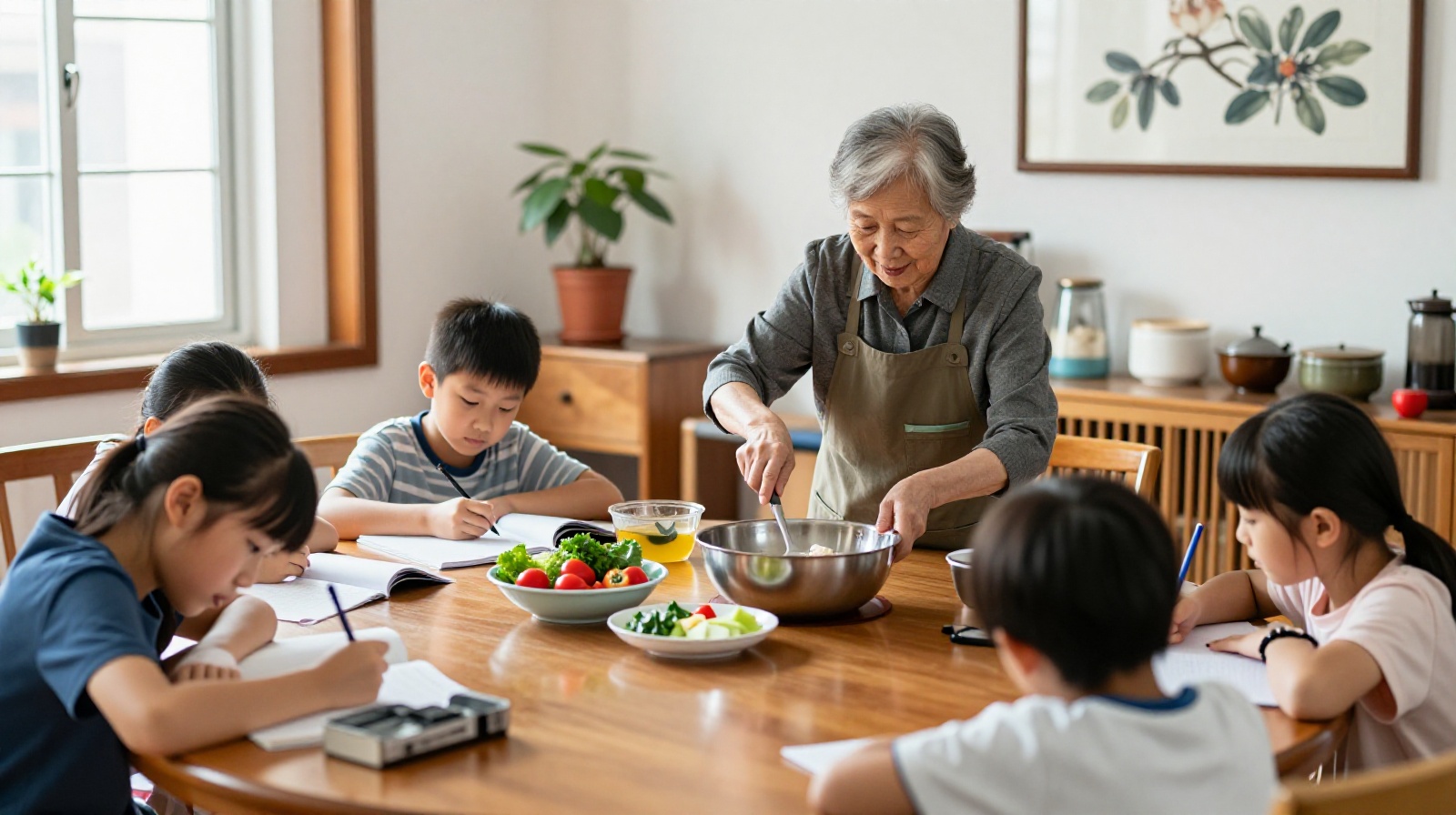
I visited one such “Shared Grandma” last month. The room smelled of braised pork and fresh rice. Auntie Zhang, 68, was scolding a boy gently for eating too many candies while helping another with his math homework.
“My own daughter lives far away,” she told me, wiping her hands on an apron. “But these kids? They are my family now.”
The routine is strict but warm. Drop-off at 4:30 PM. Homework until 5:30. Snack time with milk and fruit. Then, they cook together or eat meals prepared by the grandma herself. By the time the parents pick up their children, the kids are fed, safe, and often smiling.

More Than Just Babysitting
The impact goes beyond logistics. For years, Chinese society worried about “left-behind children” in rural areas or “latchkey kids” in cities—children growing up without immediate parental guidance. The Shared Grandma model bridges this gap.
Parents gain peace of mind knowing their child isn’t just locked behind a door with a tablet. They return to a home that feels lived-in, not cold and empty. For the grandmothers, it combats loneliness and gives them a renewed sense of purpose.
A Modern Twist on Old Values
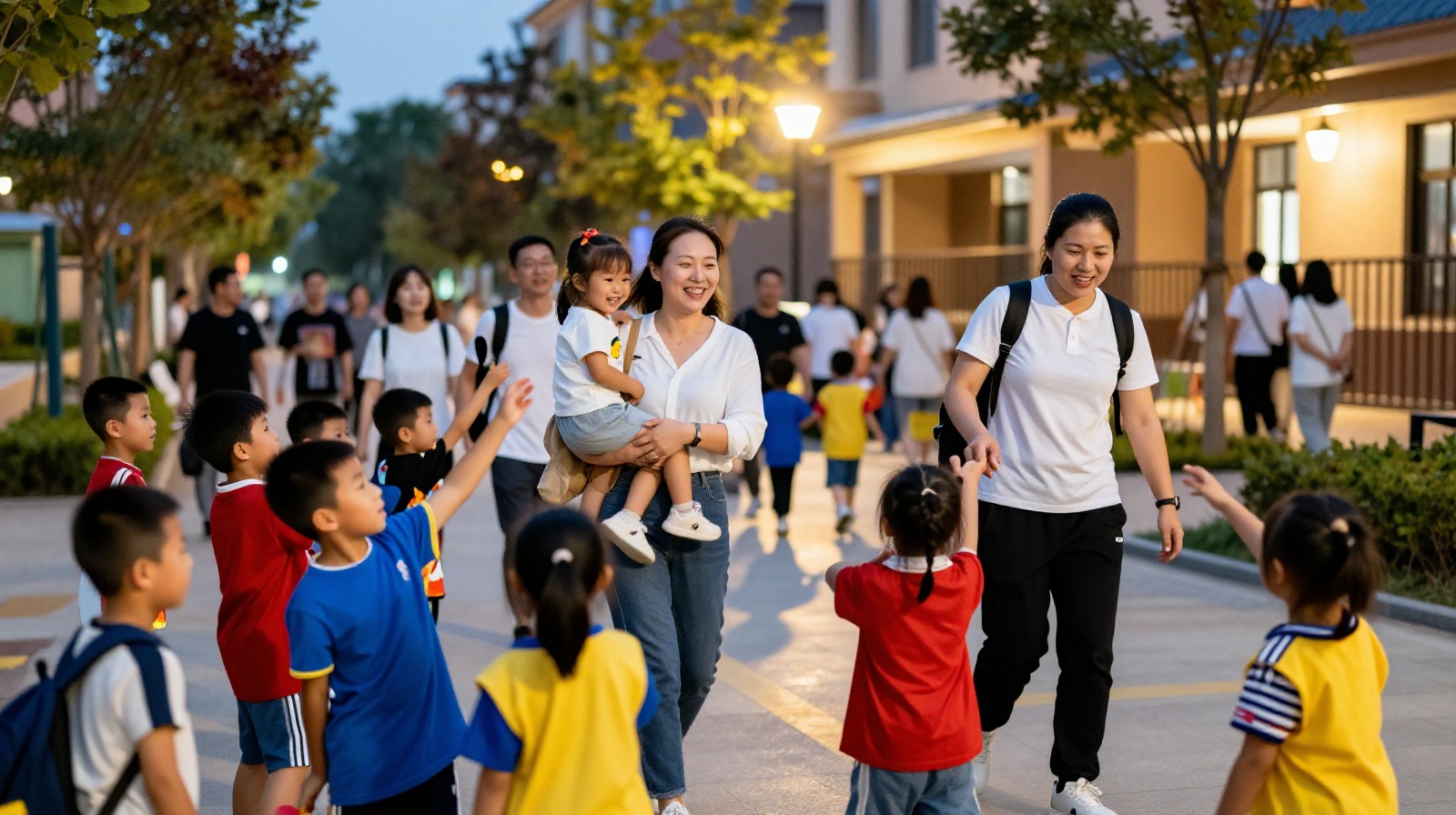
Some might call this a temporary fix for a broken system. But in many neighborhoods, it feels like a revival of traditional village life where everyone watched over everyone’s children. The walls between apartments are still there, but the trust has been rebuilt.
This grassroots solution doesn’t solve every childcare crisis in China, but it shows how ordinary people adapt when systems fall short. It is a story of resilience, not just policy.