

The Price of a Public Correction
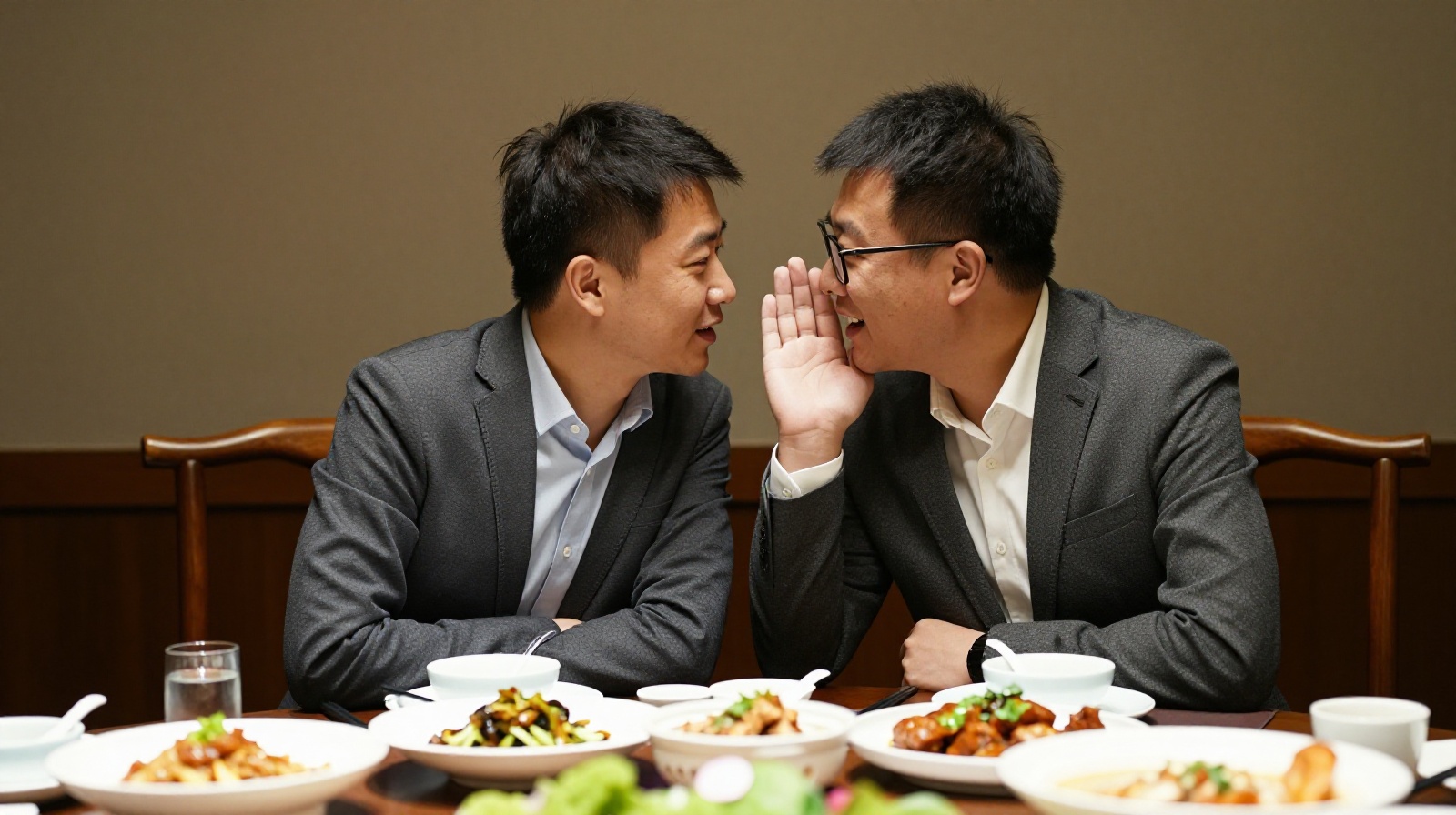
Imagine you are at a business dinner in Shanghai. Your Chinese partner, Li Wei, makes a small but costly error during the presentation to your joint clients. The room goes silent.
In many Western offices, the instinct is immediate: stop the mistake, correct it publicly, and move on. Efficiency is king. But in this moment, doing so would be a social disaster for Li Wei.
If you point out his error loudly, he “loses face” (mianzi). He loses not just dignity, but professional standing and the trust of everyone at the table. The relationship isn’t just awkward; it might be broken. Instead, the most skilled Westerners in China wait until the meeting ends, then pull Li Wei aside for a gentle whisper: “That number might need a double-check next time.” This is how you give face.
Face is not about vanity. It is the invisible currency of reputation that allows society to function smoothly without constant conflict. In a collectivist culture where your identity is tied to your group, losing face feels like being cast out from the tribe.
What Is “Mianzi” Really?
To an outsider, Chinese social interactions can seem overly indirect or even confusing. Why don’t people just say “no”? Why is a compliment returned with excessive modesty? The answer lies in the concept of mianzi.
Think of face as a social bank account. Every interaction deposits or withdraws value. When you praise someone publicly, you deposit into their account. When you criticize them privately, you protect their balance. When you introduce two people with exaggerated respect, you are building a bridge between their reputations.
This system evolved because China has historically been a high-context society where relationships (guanxi) determine access to resources more than written contracts do. If you humiliate someone in public, you aren’t just offending an individual; you are threatening the stability of the entire network they belong to.

The Art of Indirectness
For foreigners from low-context cultures (like the US or Germany), this can feel frustrating. You want clarity, and indirectness feels like a lack of honesty. But in China, directness is often seen as aggression.
Consider the scenario of a mistake at work. If you say to a colleague, “You made a mistake here,” it creates a confrontational dynamic. Instead, a Chinese manager might say, “Let’s review this data together to ensure we are on the same page.” The message is received: there was an issue. But the method preserves the colleague’s dignity.
This isn’t about hiding truth. It is about packaging the truth in a way that allows the other person to save face while fixing the problem. It creates a safe space for correction without shame.
How to Give Face: Three Practical Tips
If you want to build trust and avoid awkward silences or blown-up negotiations, try these three strategies:
- Public Praise, Private Criticism: Never correct someone in front of an audience. If feedback is necessary, wait for a private moment. Conversely, if someone succeeds, praise them openly to boost their status.
- The Power of the Third Party: When you need to refuse a request or deliver bad news, do not say “no” directly. Instead, use an external constraint: “I would love to help, but my company policy is very strict right now,” or “My manager hasn’t approved this yet.” This shifts the blame away from your personal refusal and protects everyone’s face.
- Respect Titles and Hierarchy: In China, titles matter more than in many Western startups. Addressing someone by their full title (e.g., “Manager Wang” or “Director Li”) shows you value their position within the collective. Using a first name too soon can be seen as presumptuous.

Why This Matters for Your Success
Understanding face is not about learning to play a game or being manipulative. It is about empathy. It is recognizing that in China, the social fabric is woven from these small threads of mutual respect.
When you master this code, business becomes smoother, friendships deepen faster, and daily life feels less like navigating a minefield and more like joining a conversation. You stop seeing indirectness as a barrier and start seeing it as a form of kindness designed to protect others’ dignity.