

The Sunday Morning Market
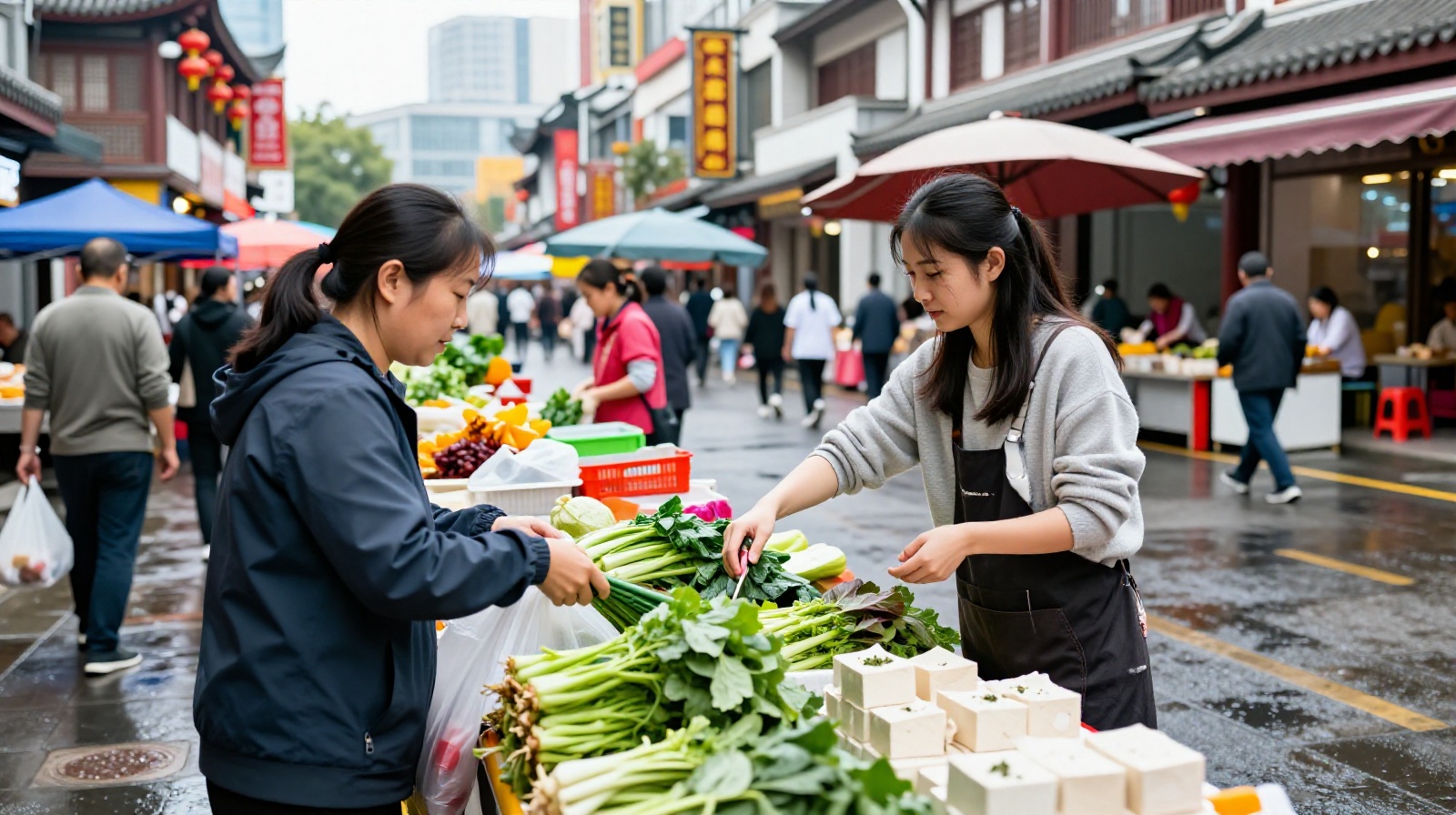
It is a crisp Saturday morning in Chengdu. The air smells of Sichuan peppercorns and frying oil. In a crowded wet market, I watch a woman buy fresh bok choy and a block of tofu. Next to her, a man selects live carp from a tank for his lunch soup. There are no dogs for sale here. No exotic animals in the cages either.
This scene plays out in millions of cities across China every day. Yet, for many Western readers, the image of Chinese people eating dogs remains the first thing that comes to mind when discussing food culture. It is a persistent myth, one that has survived decades despite changing reality on the ground.
Why the Confusion?
To understand this gap between perception and reality, we have to look at history and media. Decades ago, dog meat was indeed part of a traditional diet in some specific rural regions of China. It was often associated with winter warming customs or local festivals. However, that practice has never been nationwide.
Today, the landscape has shifted dramatically. The vast majority of urban Chinese people—over 90% of the population living in cities—simply do not eat dog meat. In fact, recent years have seen a strong cultural shift against it. Major social media platforms, veterinary groups, and even some local governments are actively discouraging or banning the trade.
So why does the stereotype persist? International media often focuses on the “exotic” to grab attention. A story about millions of people eating rice and vegetables is less clickable than a sensational headline about dog meat. This creates an information asymmetry where the exception is mistaken for the rule.
A Table Full of Variety
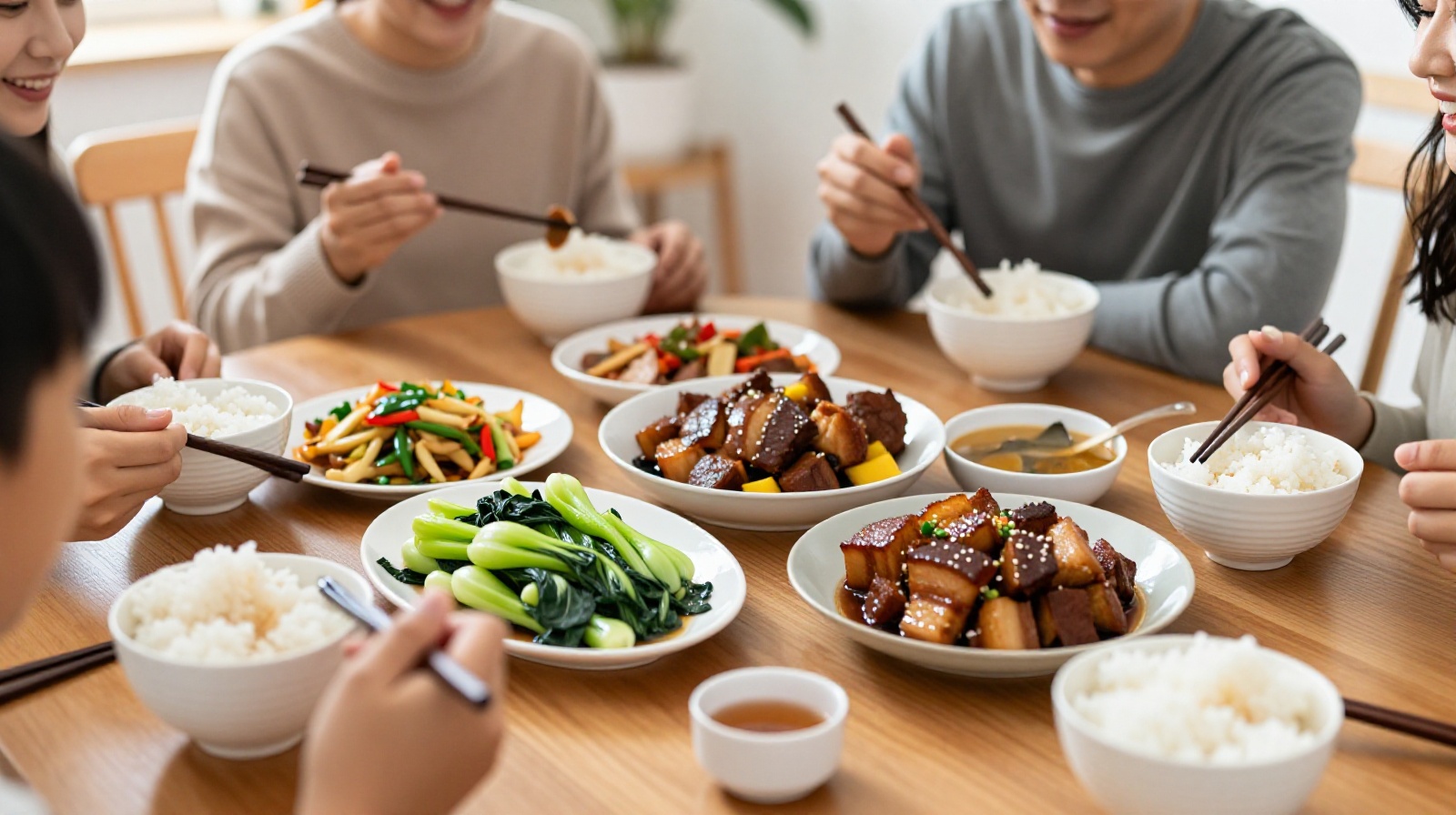
Let’s look at what Chinese families actually eat. If you visit a typical home in Shanghai, Beijing, or Guangzhou on a Sunday dinner, you will likely see steamed rice, stir-fried greens, braised pork belly (Dongpo pork), and perhaps some chicken or beef.
The diversity is staggering. In the north, wheat-based foods like dumplings and noodles are staples. In the south, sticky rice and seafood dominate. But across all regions, the core ingredients remain familiar to any global palate: leafy vegetables, pork, chicken, duck, fish, and tofu.
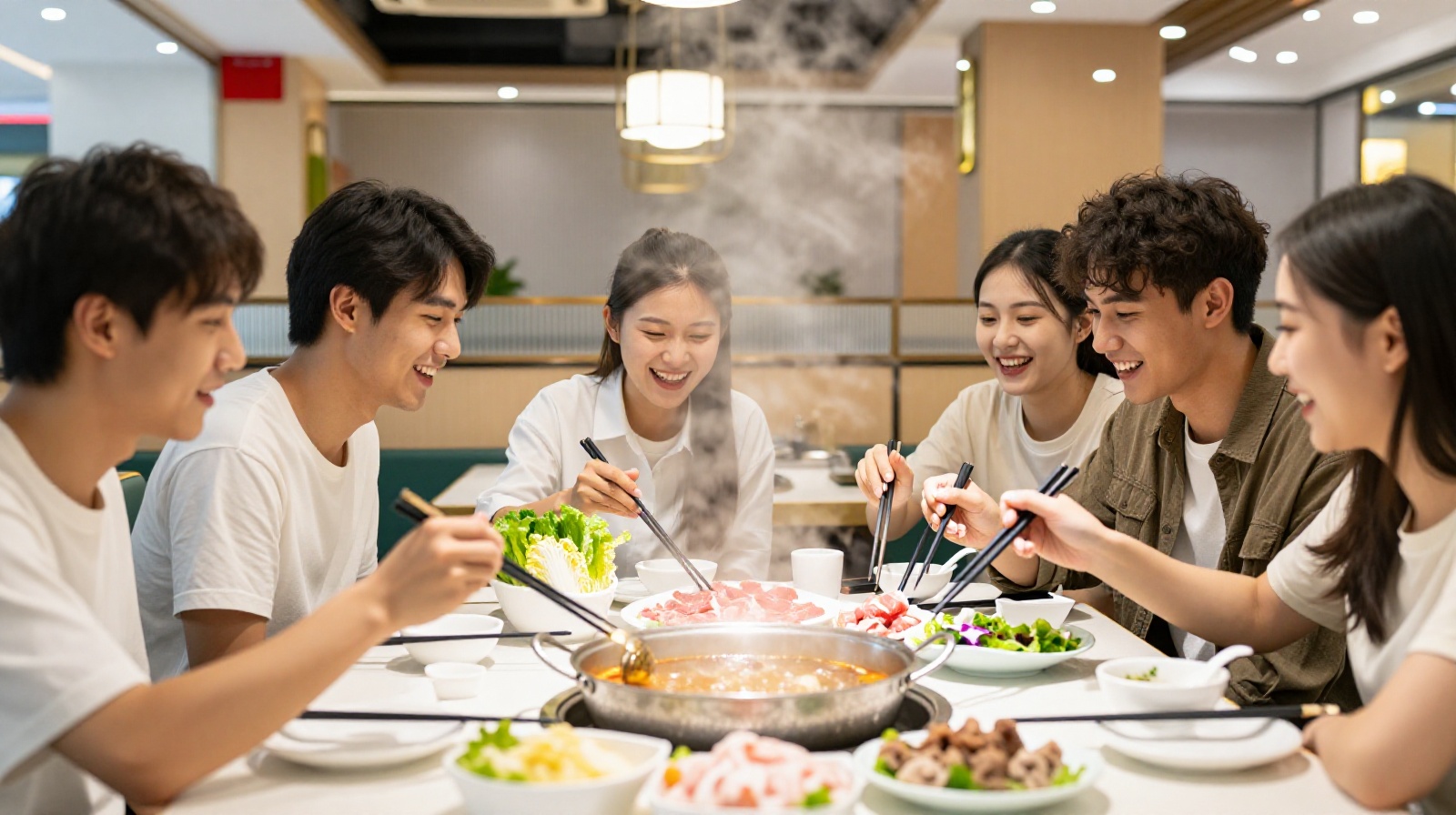
Consider the popularity of bubble tea or hot pot. These trends have spread globally not because they are strange, but because they are communal, customizable, and delicious. When a young person in London orders hot pot with their friends, they aren’t eating something alien; they are sharing a meal that emphasizes fresh ingredients and shared experience.
The Legal and Cultural Shift
It is important to note the legal changes happening now. In 2020, following global concerns about public health, China’s National People’s Congress officially removed dogs from the “livestock” list in its Animal Husbandry Law. This was a symbolic but crucial move.
Since then, cities like Shenzhen and Guangzhou have enacted bans on eating dog meat. While some remote rural areas might still hold onto old traditions, these are becoming increasingly rare and controversial even within China itself. The younger generation, who grew up with pets as family members, largely rejects the idea of eating dogs.

More Than Just Food
Food is a mirror of society. In modern China, dining out has become a massive industry. We see high-speed rail stations filled with travelers grabbing bento boxes and instant noodles that are safe and delicious. Supermarkets in tier-2 cities stock imported cheese and wine alongside local soy sauce.
The obsession with “weird food” distracts from the real story of China’s culinary evolution: a society rapidly adopting global standards while maintaining its own deep-rooted flavors. The average Chinese person is just as likely to order a burger, eat sushi, or cook pasta at home as they are to make traditional dishes.
The Reality on Your Plate
So, do Chinese people eat dogs? For the overwhelming majority of 1.4 billion people, the answer is no. It is an outlier practice from a specific historical context that has faded into the background.
If you want to understand China’s food culture, skip the sensational headlines. Instead, step into a local market at dawn or sit down for dinner with a friend in a small neighborhood restaurant (xiaochi). You will find a world of flavor built on fresh produce, skilled cooking, and a deep love for family meals—not the myths you might have heard.