

The Hum of the Office vs. The Sound of Rain
At 9:15 AM, the air conditioning in a Beijing tech office hums loudly, competing with the rapid clicking of keyboards and the low murmur of urgent conference calls. This is the typical morning for Li Wei, a senior software engineer at one of China’s “Big Tech” giants. For six years, his life was measured in sprints, KPIs, and the relentless pace of product launches. The salary was high—enough to buy an apartment in a tier-1 city—but the cost was constant exhaustion.
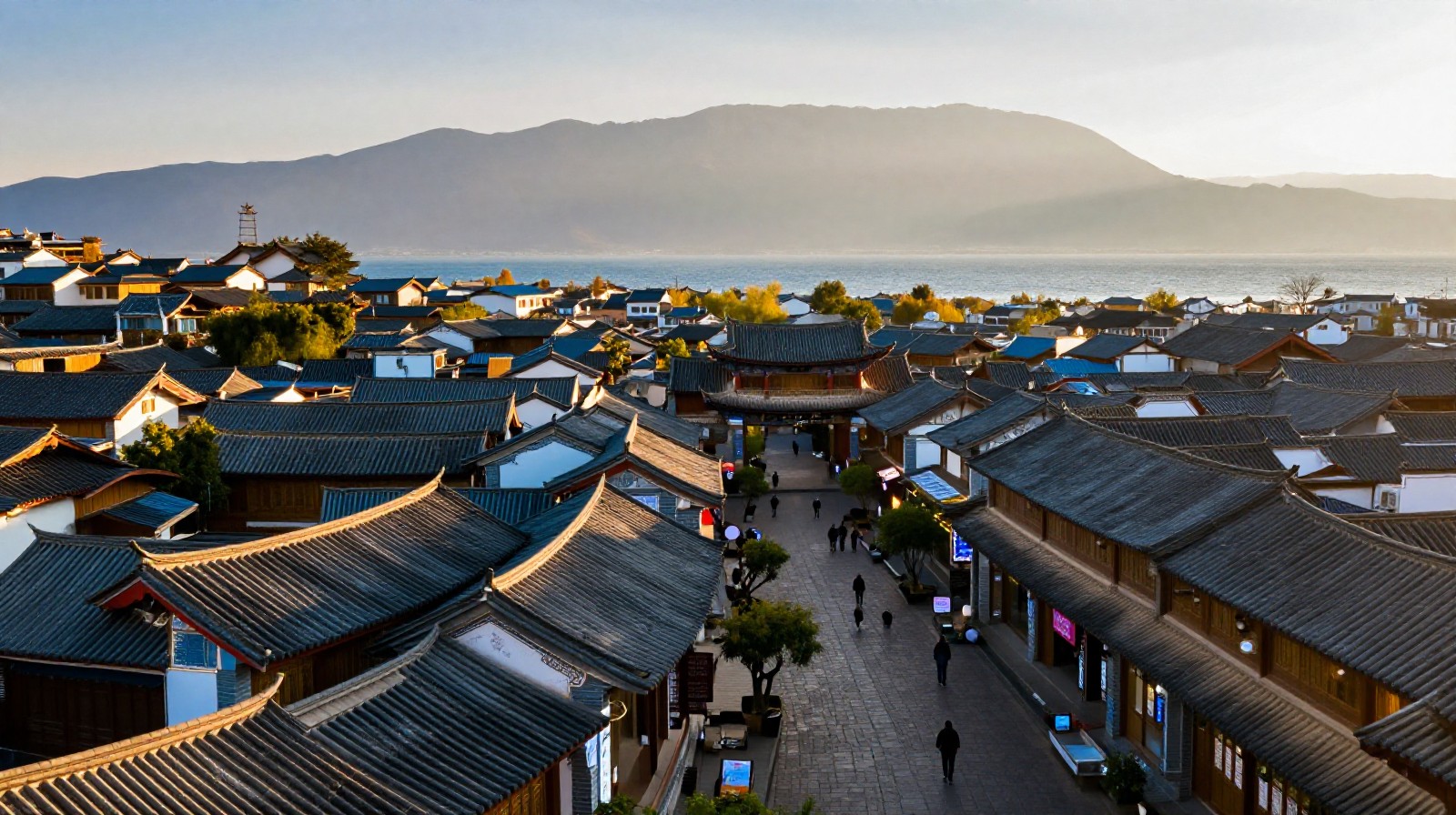
One rainy Tuesday in March, Li Wei walked out for lunch and didn’t come back to his desk. He quit. Not with a dramatic resignation letter, but with a quiet email sent at 4 PM on a Friday. His destination? Dali, a historic town in Yunnan province known for its silver mountains and vast lakes.

Why Dali?
For years, Dali has been the secret answer to the question: “Where do young Chinese professionals go when they burn out?” The city gained international fame as a hub for digital nomads and artists who rejected the high-pressure lifestyles of Beijing or Shanghai. It is not just a tourist destination; it is a refuge.
Li Wei wasn’t running away from work, but from the specific culture of “996” (working 9 AM to 9 PM, six days a week), which had become synonymous with burnout in China’s tech sector. In Dali, the pace shifts immediately. The morning air smells of roasting coffee beans and damp earth, not stale office air. The noise is replaced by the sound of wind chimes and distant traffic.
The Reality of Running a Small Business
Opening a café in Dali sounds idyllic, but Li Wei quickly learned that entrepreneurship comes with its own set of challenges. Unlike the structured environment of a tech giant where roles are clearly defined, running a small business means wearing every hat: barista, accountant, supplier negotiator, and interior designer.
“The salary dropped to about 15% of what I made in Beijing,” Li Wei admits while wiping down his espresso machine. “But the hours are flexible, and the stress is different. In the city, stress was fear—fear of missing a promotion or getting laid off. Here, stress is practical: Is the water filter clean? Did the beans arrive on time? Is the rent due today?”
The economic reality in Dali is mixed. While tourism booms during holidays, the “slow season” can be brutal for cash flow. Li Wei’s customers are a mix of long-term expats, remote workers looking for Wi-Fi, and locals passing through. He relies on community support rather than corporate stability.

A New Definition of Success
Li Wei is not alone. Thousands of young Chinese have left the “rat race” in recent years, a movement often called “Tang ping” (lying flat) or simply seeking a slower life. They are redefining what it means to be successful. For many, success is no longer about climbing the corporate ladder or buying luxury cars; it’s about having time to watch the sunset over Erhai Lake.
This shift reflects a broader change in Chinese society. As the economy matures, young people are prioritizing mental health and personal well-being over pure accumulation of wealth. The digital nomad phenomenon has turned Dali into a global village where innovation happens not just in labs, but on terraces overlooking waterfalls.
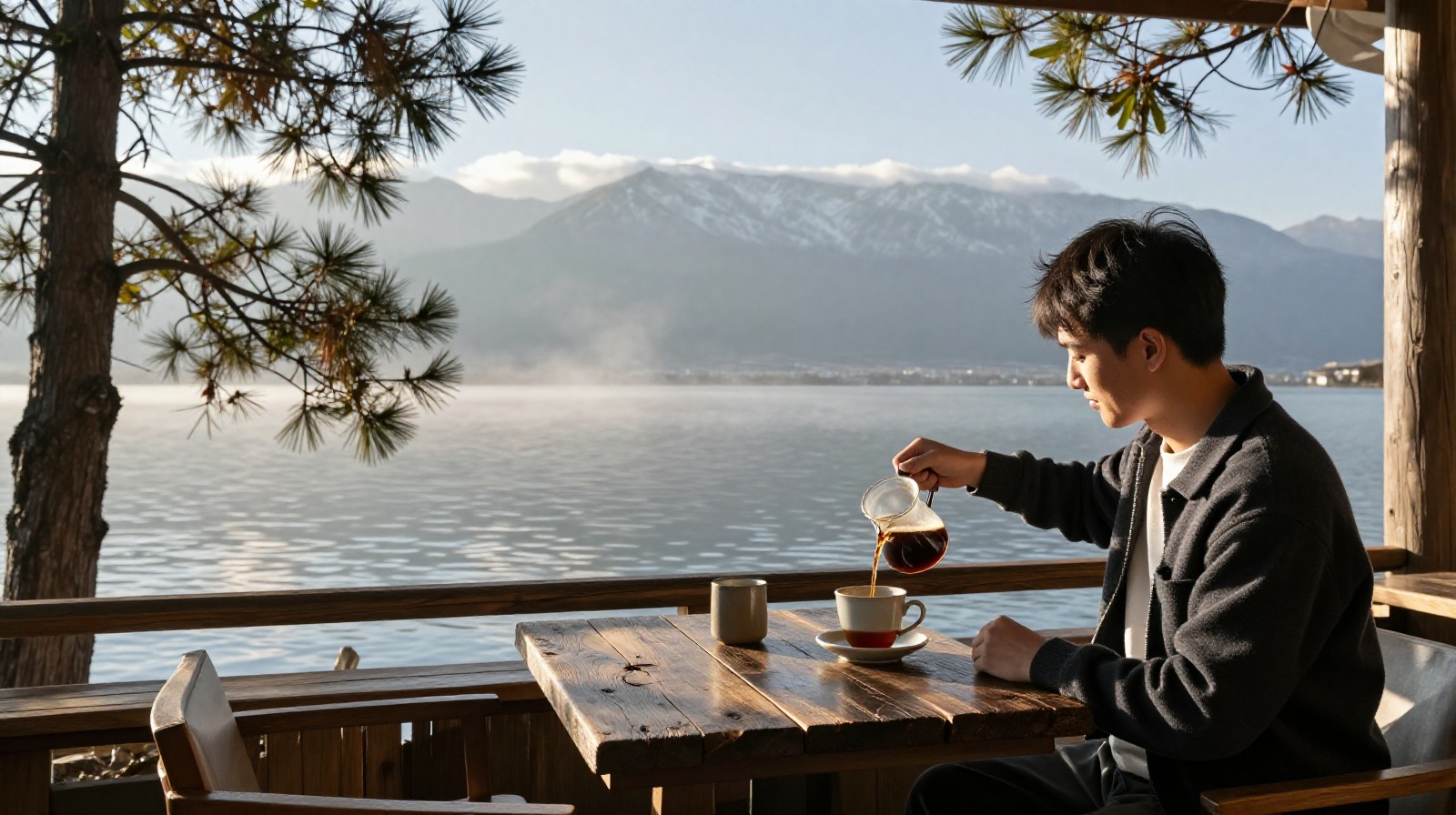
For Li Wei, the trade-off was clear: He gave up the security of a high salary for the freedom to live on his own terms. “I am tired of running,” he says, looking out at the misty mountains outside his café window. “Now I just want to brew good coffee and talk to people who actually like talking.”