

A Promise Kept at Beijing South Station
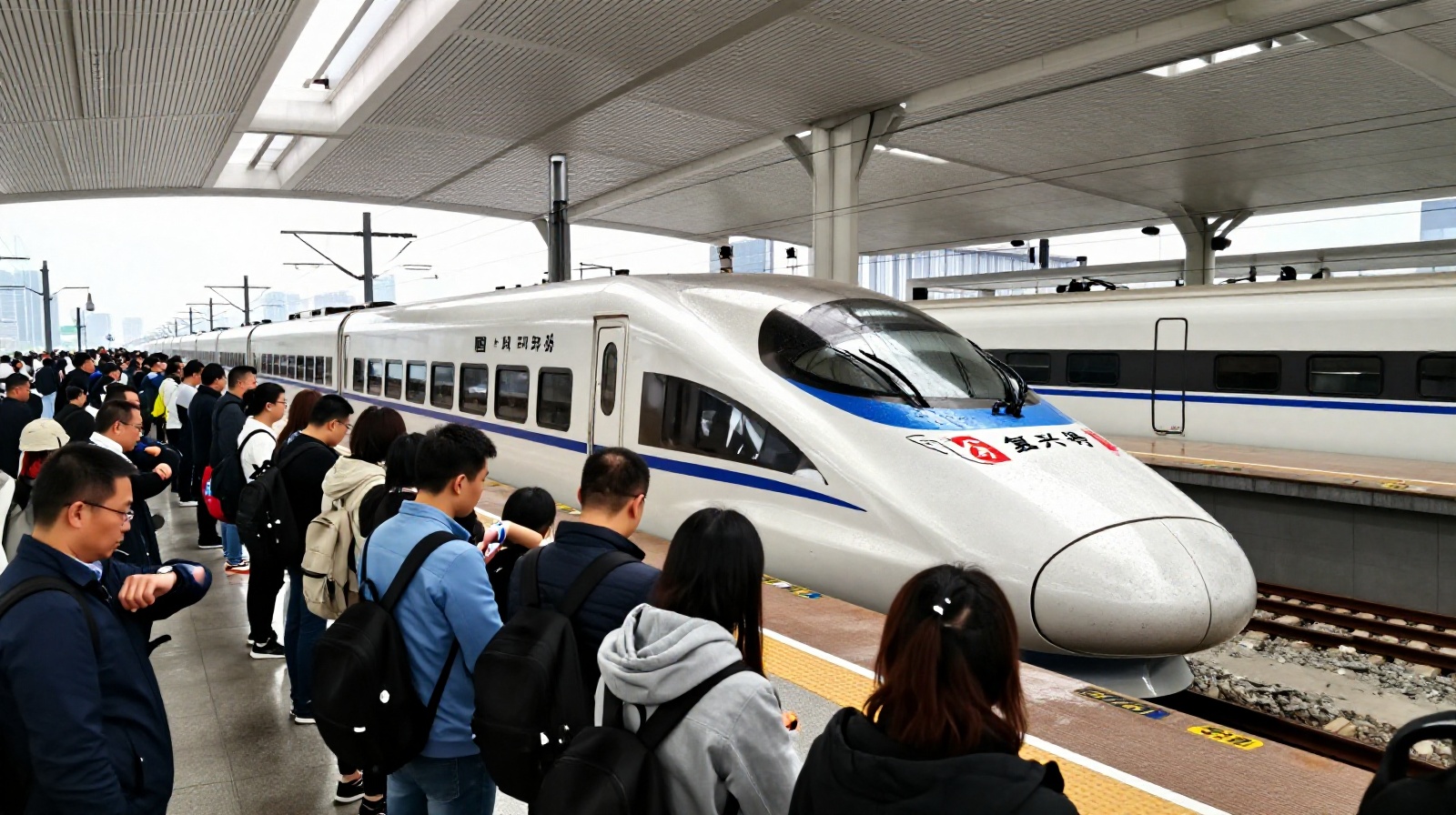
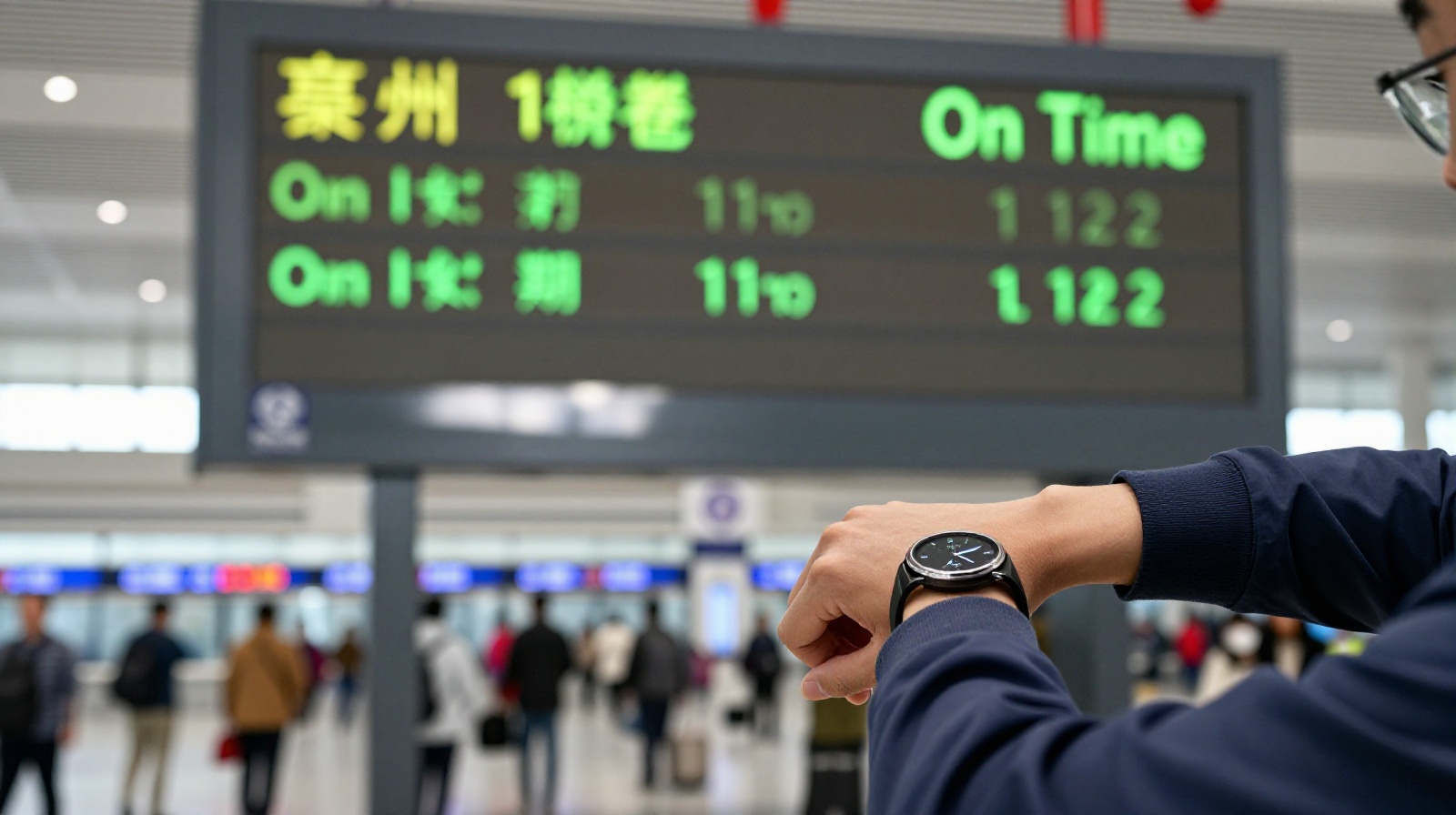
At 8:03 AM on a rainy Tuesday, the G1 train from Beijing to Shanghai sits silently at Platform 9 of Beijing South Station. Outside, the sky is grey and rain streaks down the glass canopy. Inside, hundreds of passengers check their watches, not with anxiety, but with the quiet confidence that comes from knowing the system works.
In many Western cities, a five-minute delay on a train or flight often triggers headlines about strikes, infrastructure failure, or weather chaos. In China, the expectation is different. The G1 arrives at 8:05 AM, exactly two minutes late—the kind of margin considered “on time” by the railway’s strict standards. This isn’t luck; it is the result of a meticulously engineered system that treats punctuality as a non-negotiable baseline for national mobility.
The Numbers Behind the Schedule
To understand the scale, one must look at the data. According to recent reports from China State Railway Group, the average delay rate for high-speed trains (G-trains) is less than 0.3%. This means that out of every 1,000 arrivals, fewer than three are delayed by more than five minutes. For comparison, major rail networks in Europe and North America often struggle with punctuality rates hovering between 65% and 85%, where delays exceeding 15 minutes are common on busy routes.
This statistical gap is not merely a matter of better trains. It reflects a fundamental difference in how the entire ecosystem operates. In China, the railway network is not just a collection of tracks; it is a unified digital organism controlled from a single command center in Beijing.
Centralized Control: The Brain Behind the Rails
The secret lies in the centralized dispatching system. Unlike many countries where regional lines operate with varying degrees of autonomy, China’s railway network functions under a strict, top-down hierarchy. A central control room monitors millions of data points every second: train location, track condition, weather patterns, and even passenger flow.
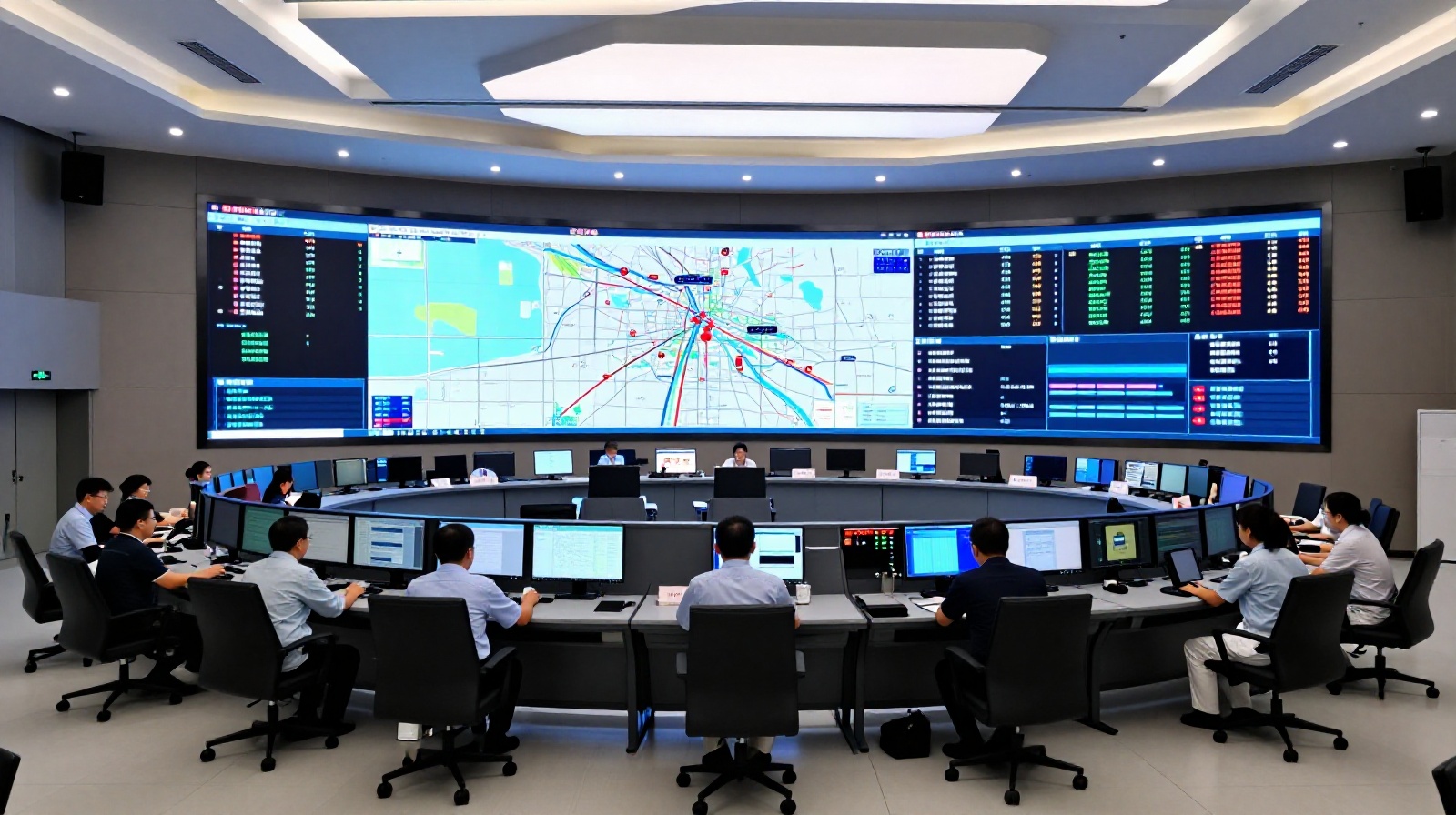
When a potential conflict arises—say, two trains approaching the same single-track section from opposite directions—the system calculates the optimal solution in milliseconds. It doesn’t wait for human approval. The dispatchers are supported by an AI-driven scheduling platform that can predict bottlenecks before they happen. If a storm is forecasted to hit a specific region at 2 PM, the system automatically adjusts departure times hours in advance, ensuring that trains arrive only after conditions have stabilized.
Maintenance: The Invisible Engine of Punctuality
Punctuality is impossible without flawless infrastructure maintenance. In China, this happens largely when most people are sleeping. High-speed lines undergo “window periods”—typically between midnight and 4 AM—dedicated entirely to inspection and repair.
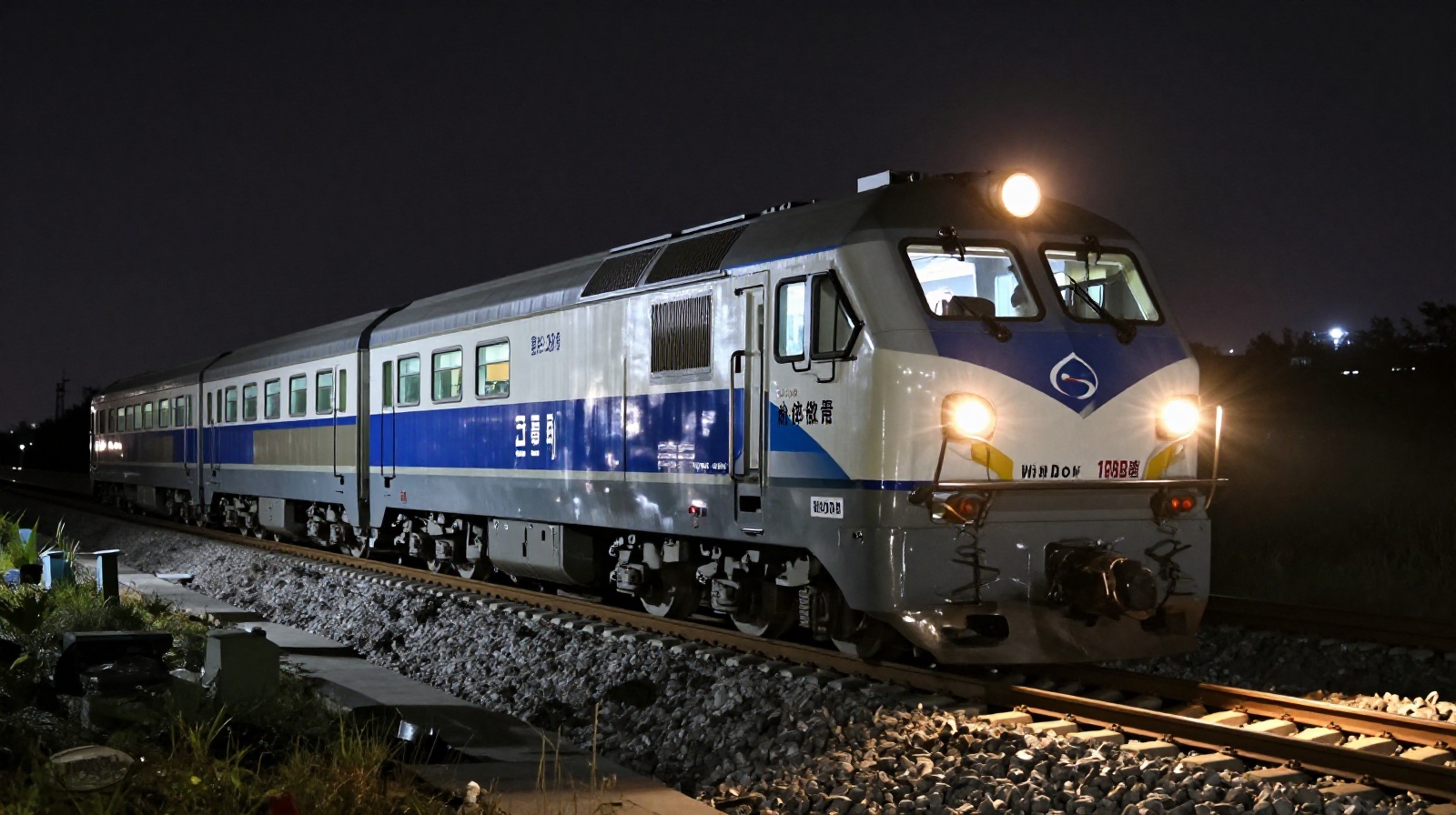
Specialized maintenance trains, often called “inspection bullets,” race along the tracks at night, scanning for microscopic cracks in the rails or subtle shifts in the track bed. Because the system is so tightly integrated, if a sensor detects even a millimeter of deviation, the line can be closed instantly for repairs, preventing delays during peak hours. This proactive approach contrasts sharply with reactive maintenance models seen elsewhere, where issues are often addressed only after they cause a disruption.
Navigating Chaos: Weather and Emergencies
China faces extreme weather variations, from typhoons in the south to snowstorms in the north. Yet, the railway system remains robust. When heavy rain or typhoons threaten operations, the response is swift and coordinated.
Instead of halting all services immediately, the dispatch center uses real-time data to reroute trains onto parallel lines or adjust speeds to safe limits. Passengers might experience a slower journey, but cancellations are rare. This flexibility is powered by a national emergency protocol that treats railway stability as a critical public service, akin to electricity or water supply.
The Human Impact: Time Reimagined
For the average commuter, this precision changes everything. In Shanghai, a business traveler can leave an office in downtown Pudong at 5:00 PM, catch a train that departs exactly on time, and arrive in Beijing for a morning meeting without worrying about traffic or delays.
This reliability has reshaped how people plan their lives. Weekends are no longer confined to the city; families can drive to neighboring provinces knowing they will reach their destination predictably. The railway station becomes a seamless extension of daily life, where time is not lost in waiting but reclaimed for productivity and leisure.
Technology as the Backbone
The precision of China’s rail network is underpinned by massive investment in R&D. From the automatic train control systems that prevent human error to the use of big data for predictive maintenance, technology is woven into every layer of operation.
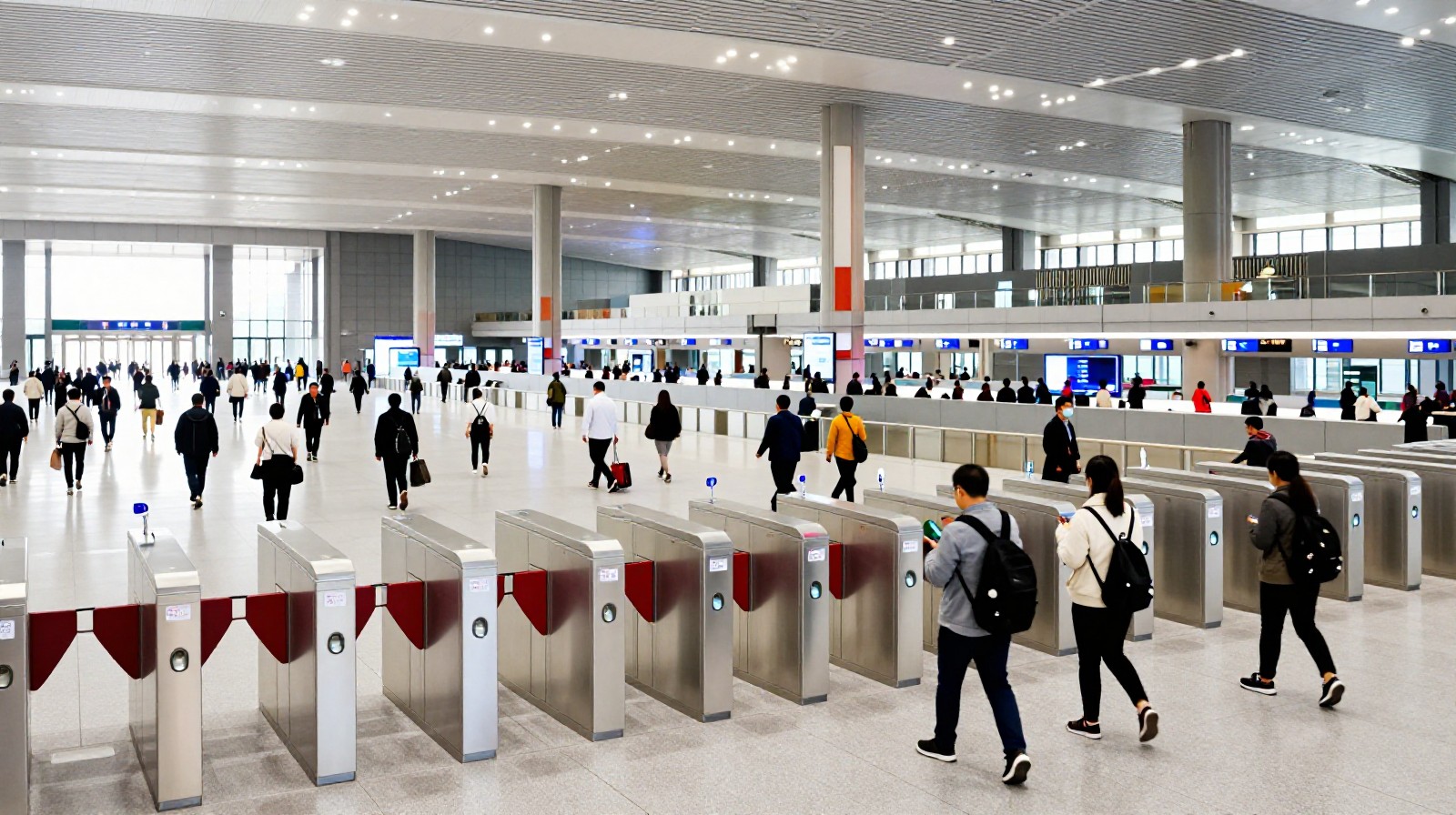
Furthermore, the integration of digital payment and mobile ticketing ensures that the flow of passengers matches the physical capacity of the trains. There are no long queues at ticket counters; everyone moves through the station with a smartphone scan. This digital efficiency complements the mechanical reliability, creating a seamless travel experience.
The Logic of National Will
Ultimately, the punctuality of China’s trains is a manifestation of national priority. The government views a reliable transportation network as essential for economic integration and social stability. This long-term vision allows for massive infrastructure spending without the short-term political pressures that often plague projects in other democracies.
The result is a system where the train doesn’t just move people; it moves the economy, connects families, and reinforces the idea that time is a resource to be respected. As China continues to expand its network, the commitment to punctuality remains the core promise made to every passenger who steps onto the platform.