

The City That Never Sleeps: A View from the Construction Site
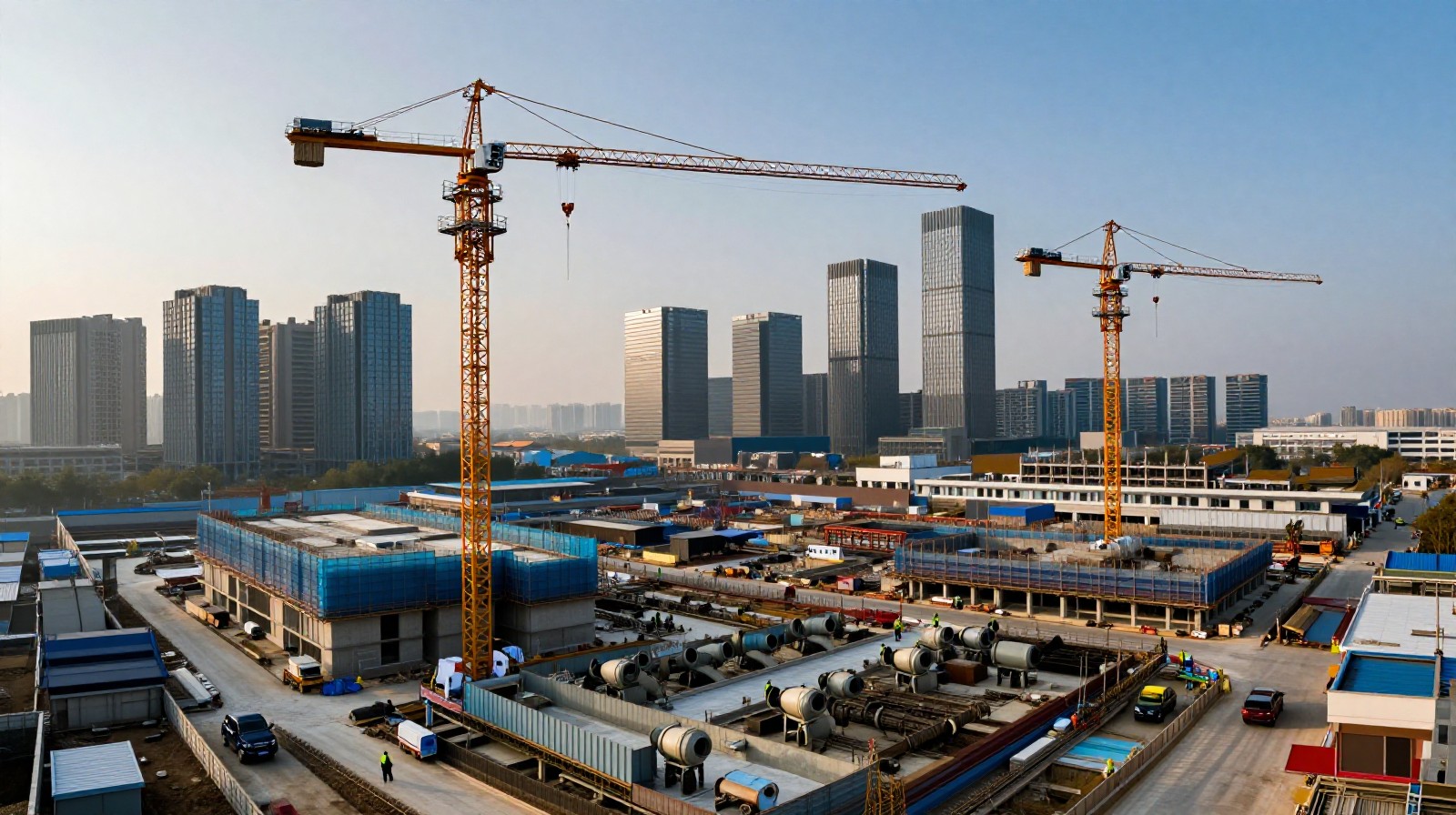
At 7 AM on a Tuesday in Wuhan, the air is thick with dust and the sound of excavators. Li Wei, a site foreman, stands knee-deep in mud next to a massive concrete pump truck. He isn’t just building another skyscraper; he’s connecting a new subway line that will soon cut his commute from an hour to fifteen minutes. For him, this isn’t a spectacle of ‘China speed.’ It’s simply Tuesday.
For many outside China, the image is one of endless cranes and neon-lit construction sites—a phenomenon dubbed the ‘Infrastructure Maniac’ (Jianshe Kuangmo). But if you stand there in person, the reality is quieter. The noise doesn’t stop because officials demand it; it stops when the city’s needs are met or when market forces shift. To understand why building never seems to stop, we must look past the headlines and into the mechanics of how China grows.
The Economic Engine: Why Construction Drives Growth
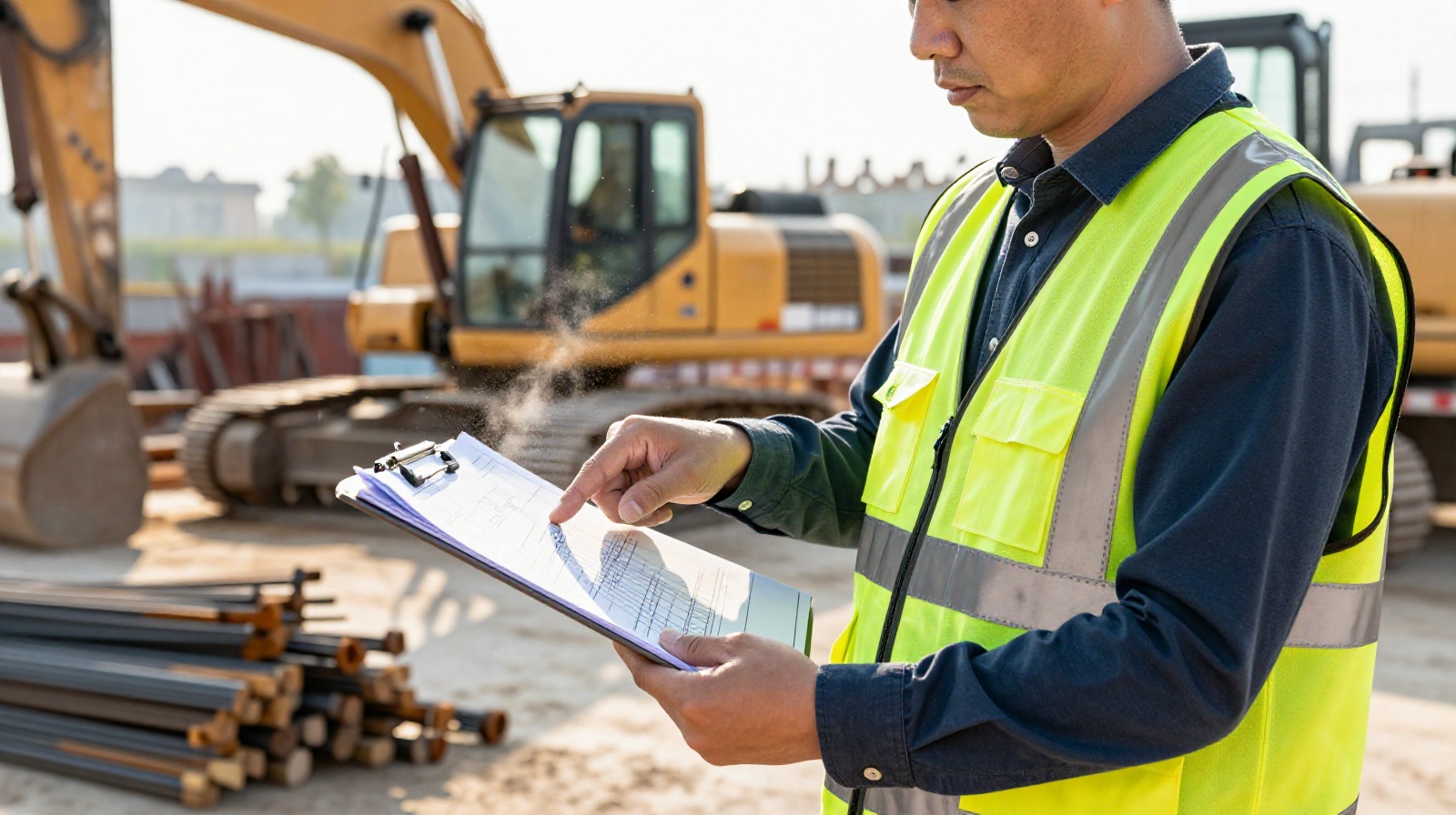
Unlike many developed nations where infrastructure is maintained rather than expanded, China treats construction as a primary engine for economic survival. In 2023, while global growth slowed, China’s investment in fixed assets remained robust, with real estate and public works accounting for nearly 30% of total investment.
The logic is straightforward but powerful. When factories slow down or exports dip, the government can pivot resources to building roads, bridges, and housing. This creates immediate jobs for millions of migrant workers—estimated at over 290 million people—and stimulates demand for steel, cement, and machinery. In a country with such a vast land area and uneven development, this ‘investment-led’ model acts as a stabilizer.
Consider the Hefei-to-Shanghai high-speed rail line completed in recent years. It wasn’t just about speed; it was about integrating regional economies. Before the train, goods took days to move between these hubs. Now, they take hours, allowing factories in smaller cities to access larger markets without moving their operations.
Urbanization as a Strategic Necessity
China is still urbanizing at a pace unmatched in history. The country’s urbanization rate rose from roughly 36% in 2000 to over 66% today. This isn’t just people moving to cities; it’s the physical transformation of the land.
The government employs a strategy known as ‘New-type Urbanization.’ It involves building entire districts where none existed before, complete with schools, hospitals, and parks. These aren’t empty ghost towns; they are pre-built ecosystems designed to absorb the influx of rural migrants. In cities like Chengdu or Chongqing, you can see this firsthand: a construction zone today becomes a bustling commercial district within three years.
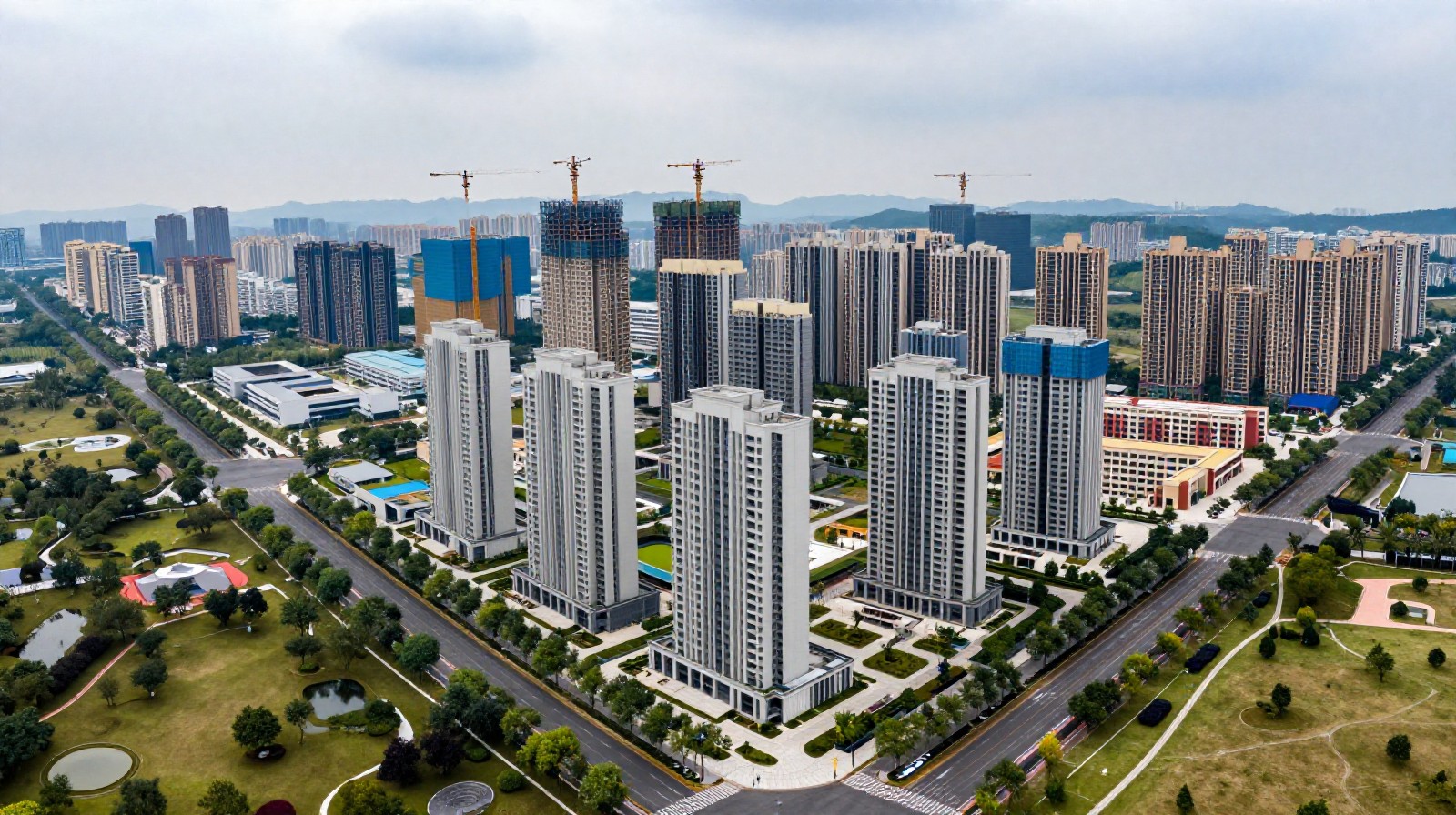
This approach accelerates modernization. By building infrastructure ahead of demand, the government ensures that new residents have access to electricity, clean water, and transport immediately upon arrival. It reduces the friction of migration and allows the economy to scale rapidly.
The Shift from Wonder to ‘New Normal’
Five years ago, a new subway line or a massive bridge would trigger global headlines. Today, the reaction is different. For Chinese citizens, constant construction has become part of the daily backdrop, much like traffic jams in Los Angeles or rain in London.
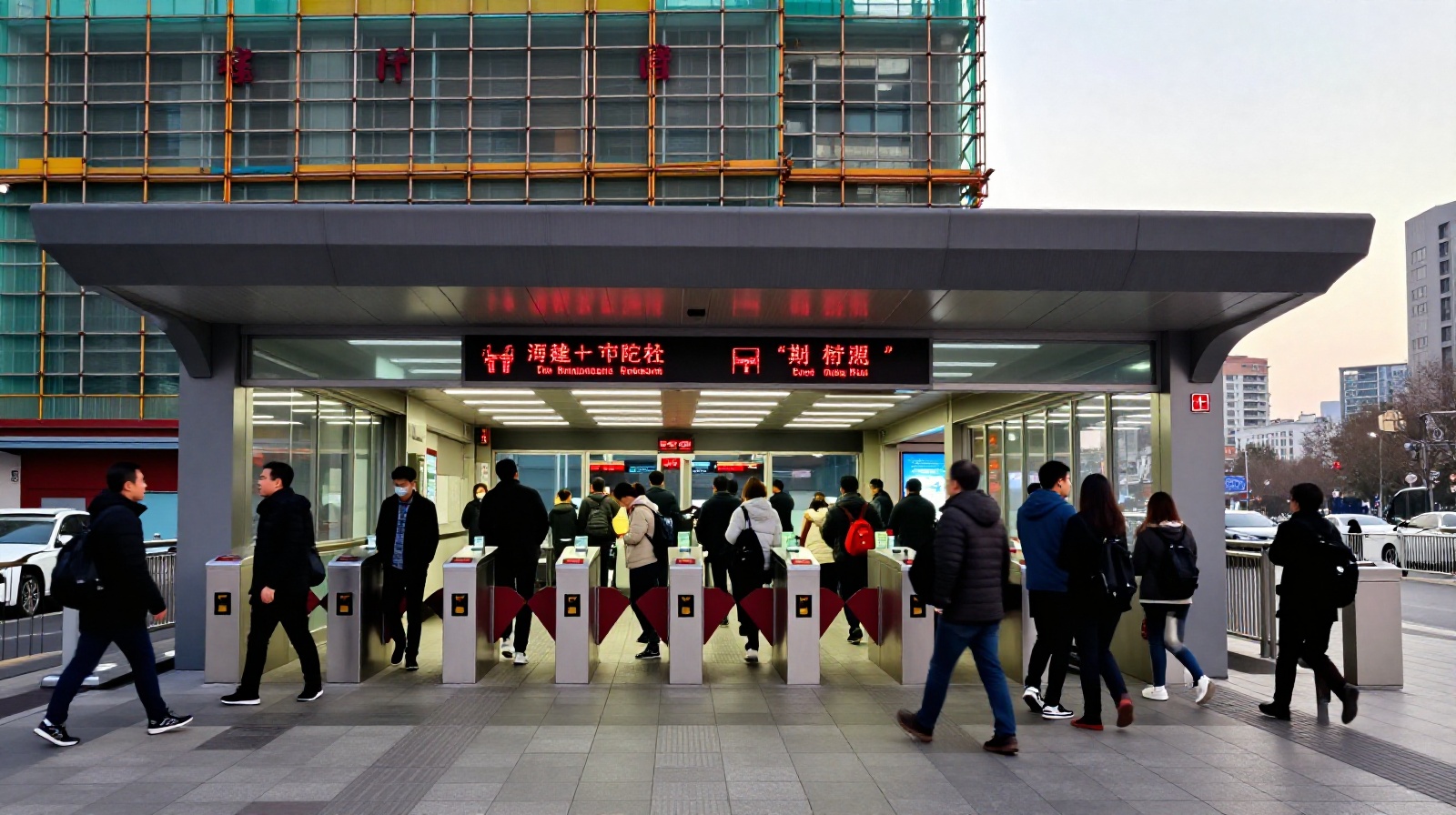
There is a subtle shift in public sentiment. While there is appreciation for the convenience these projects bring—subways that run every two minutes, high-speed trains connecting distant provinces—there is also growing awareness of the costs. Debt levels are rising, and some new developments face challenges with maintenance or occupancy. However, the general consensus remains: infrastructure is the glue holding this massive society together.
A Unique Model in a Global Context
Compare this to the United States or Europe, where building a single highway extension can take a decade due to zoning laws, environmental reviews, and political gridlock. In China, the central government’s ability to coordinate across provinces allows for rapid decision-making and execution. A project planned in Beijing can be underway in a rural county within months.
This isn’t without criticism. Critics point out that some projects may not generate immediate economic returns or contribute to local debt burdens. Yet, from a macro perspective, this continuous building activity is the mechanism by which China maintains its competitive edge and manages its demographic transition.
The Future: From Quantity to Quality
Is it possible for construction to stop? Unlikely. But the nature of what is being built is changing. The era of endless concrete skyscrapers is giving way to ‘smart cities,’ green energy hubs, and high-tech industrial parks.
The cranes are still there, but they are building less housing for speculation and more infrastructure for innovation. As China’s economy matures, the focus shifts from simply connecting places to optimizing them. The construction sites remain open not because of a blind rush, but because the need for a modernized foundation is far from over.