

A Bowl of Noodles and a Broken Friendship
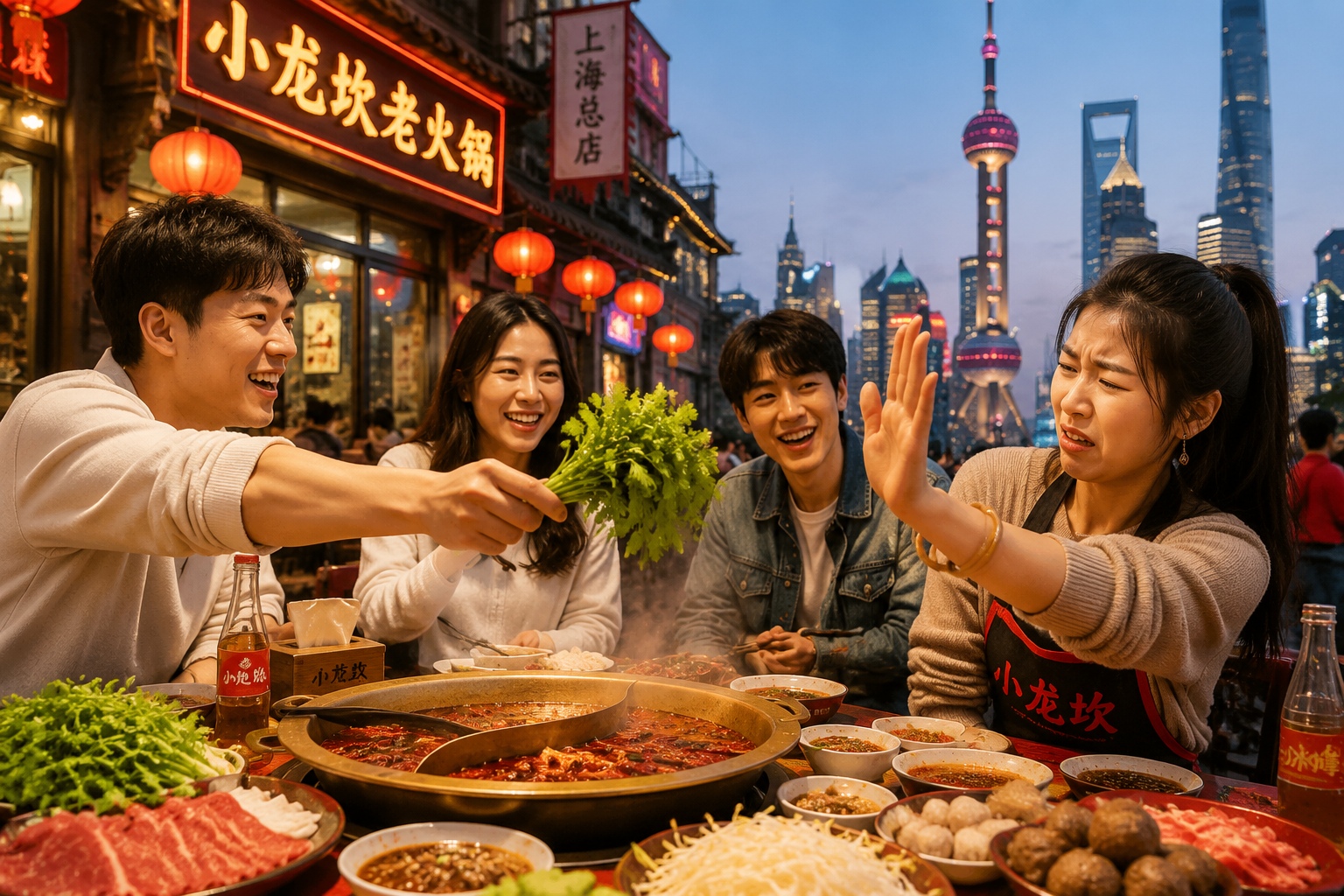
The moment my friend Xiao Li slid the bowl of spicy cold noodles across the table, I saw it: a mountain of bright green cilantro. “You love this,” he said with a grin, assuming I would dive in. Instead, I pushed the bowl back and whispered, “I can’t eat coriander.”
The silence that followed wasn’t just awkward; it was heavy. In China, rejecting cilantro (known locally as yansui) is often interpreted not as a personal preference, but as a rejection of the host’s generosity and taste. Xiao Li stared at me, his smile fading into confusion. “But… why?” he asked, genuinely baffled. To him, the herb was the soul of the dish. To me, it tasted like soap and dirt. That afternoon nearly ended a three-year friendship.
For Westerners visiting China, this reaction is often a shock. In many parts of Europe and North America, cilantro is a staple in salads, salsas, and garnishes—a standard green that blends seamlessly into the background. But in China, it occupies a far more complex space. It’s not just an herb; it’s a cultural litmus test.
Gen Z and the Rise of the “No-Cilantro” Movement
If my friend was shocked, he wasn’t alone. A quiet revolution is happening in China’s dining scene, driven by the country’s Gen Z generation. Unlike their parents, who often ate whatever was served to them as a sign of respect or necessity, young Chinese people are using food preferences as a form of self-expression.
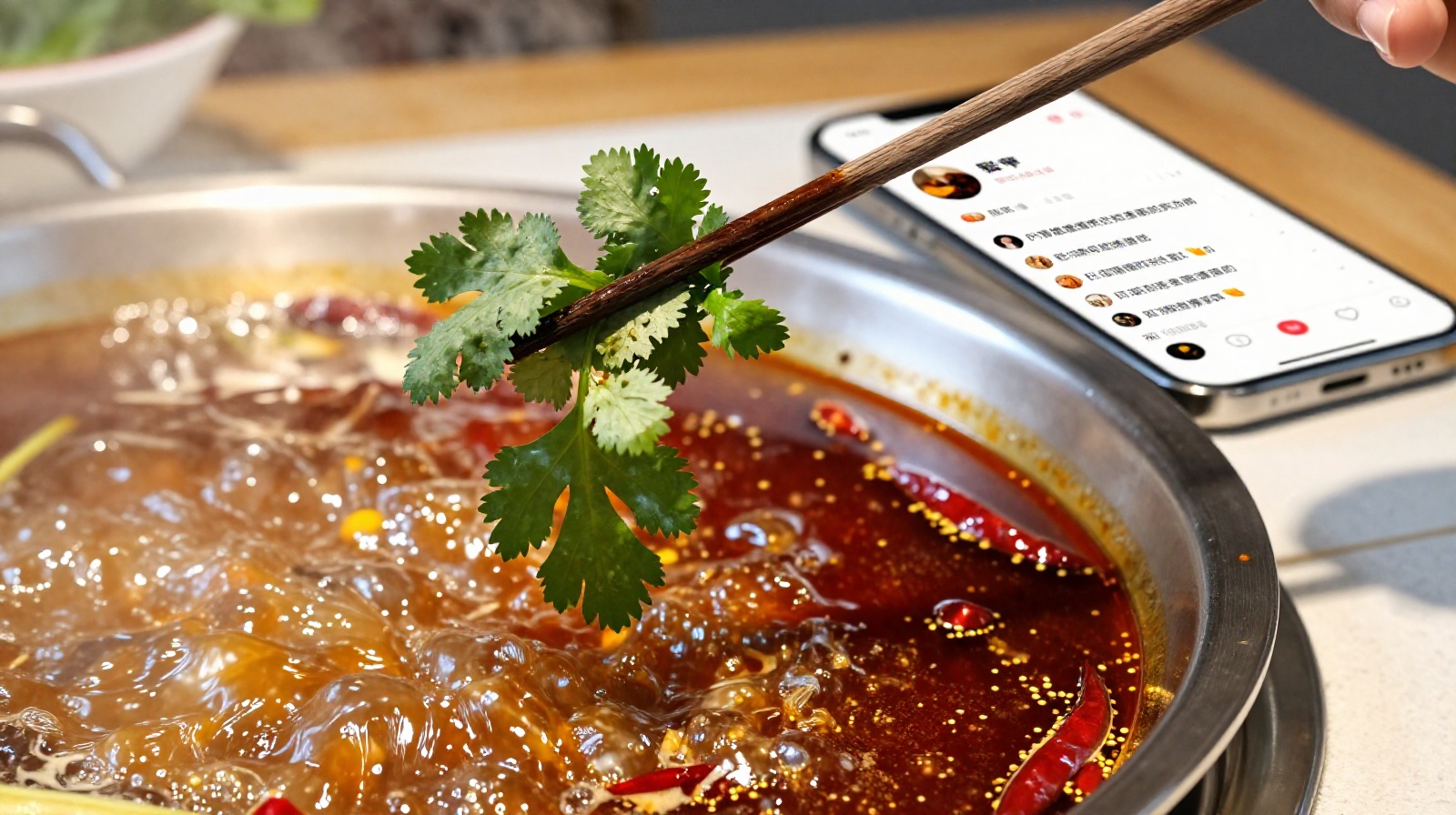
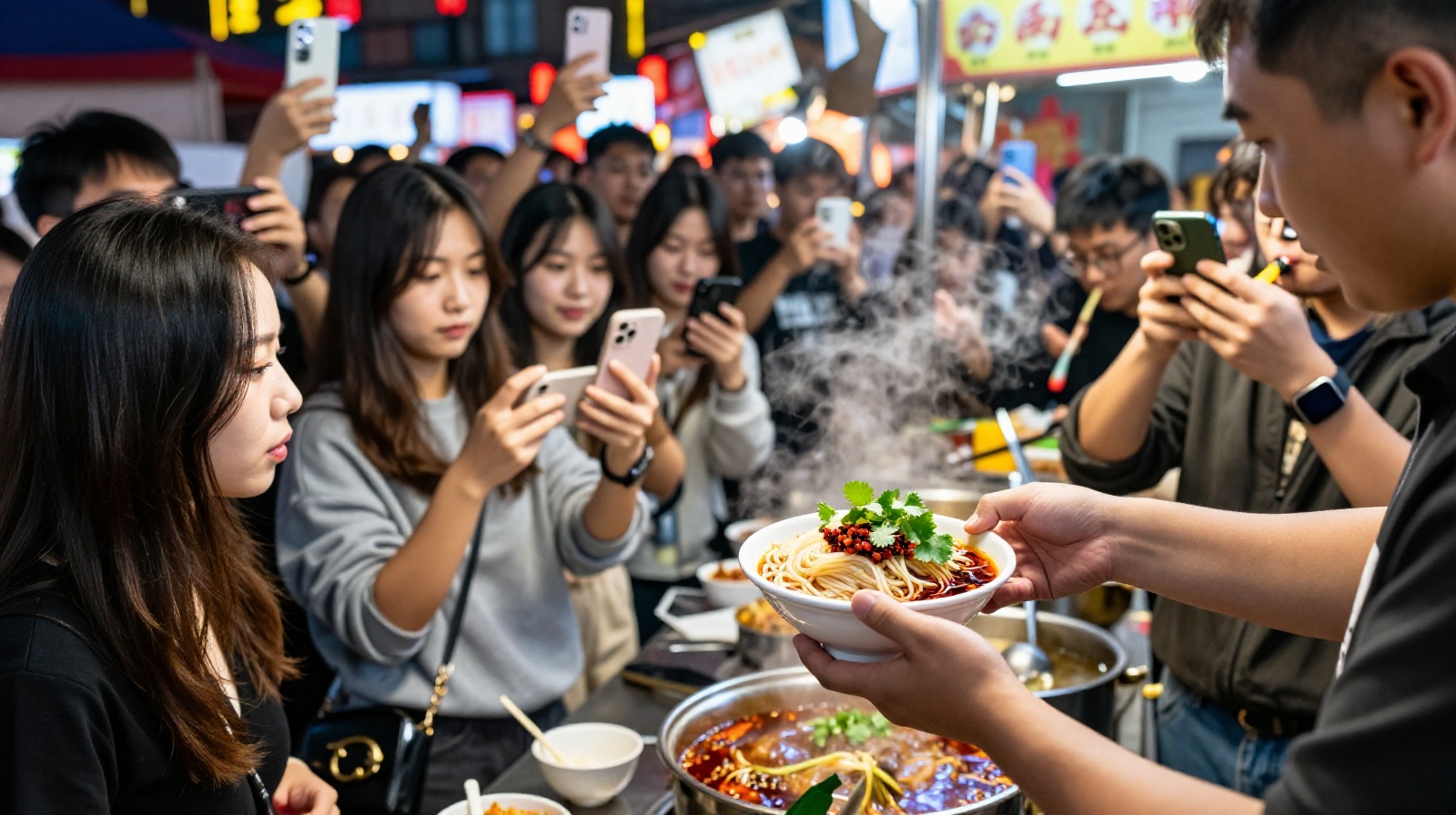
On social media platforms like Xiaohongshu (Little Red Book) and Weibo, hashtags like “#IhateCilantro” have millions of views. Users share memes mocking those who love the herb, posting photos of their meals with cilantro meticulously removed by hand, or creating filters that turn everyone green when they mention it.
This isn’t just teenage rebellion; it’s a shift in consumer power. In the past, restaurants were king. If you wanted noodles, you got what came. Today, thanks to food delivery apps like Meituan and Ele.me, customers have unprecedented control. You can now order hotpot or dumplings with a simple checkbox: “No Cilantro.”
This shift has forced restaurants to adapt. In bustling cities like Shanghai and Chengdu, it’s common to see menus explicitly stating options for “cilantro-free” meals. Some noodle shops even have separate containers of cilantro on the side, allowing customers to add only what they want.
Why the Clash? Western Habits vs. Chinese Evolution
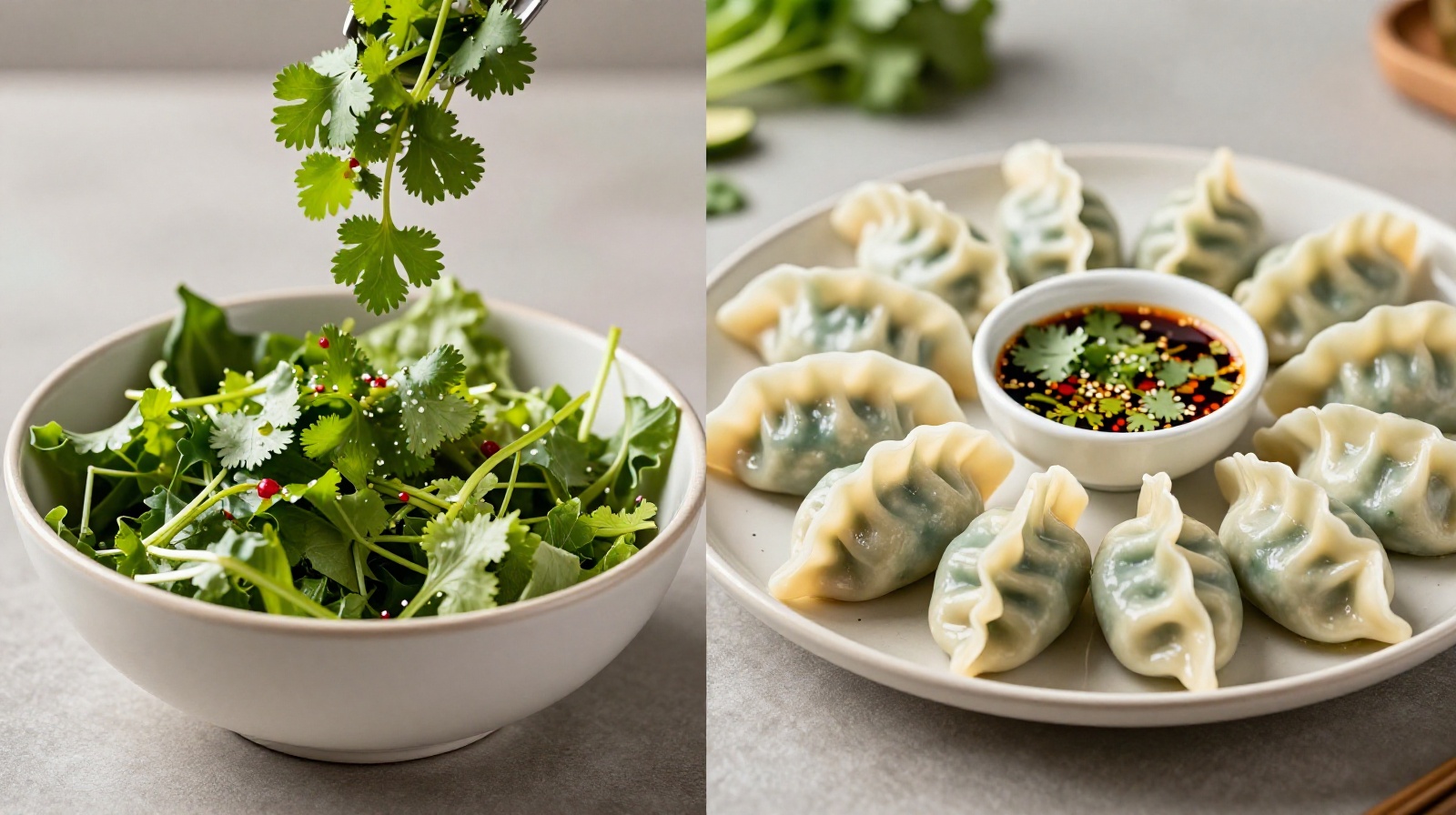
The conflict between my experience and Xiao Li’s stems from how each culture evolved. In many Western countries, cilantro is often used in raw salads or as a fresh garnish where its flavor stands alone or complements acidic ingredients like lime.
In China, the culinary tradition has historically valued intensity. Cilantro is frequently fried in oil to release its aroma, mixed into spicy chili sauces, or stuffed inside dumplings where it cuts through rich fats. It is an active ingredient, not a passive decoration.
However, Gen Z is bridging this gap. Young people are increasingly exposed to global food trends via the internet. We see Western-style smoothie bowls and salads appearing in Chinese cities, often with cilantro included by default. Conversely, traditional Chinese dishes are being reinvented for younger palates that might be more sensitive to strong herbal flavors.
This evolution is also about identity. For many young Chinese, rejecting cilantro is a way of asserting individuality in a society that has historically emphasized conformity. It’s similar to how people in the West might refuse gluten or dairy, but here it carries a specific cultural weight regarding hospitality and shared meals.
Beyond the Herb: What This Tells Us About Modern China
The “cilantro war” is more than just a funny anecdote about food. It reveals deeper changes in Chinese society. The ability to customize every detail of a meal—from spice levels to specific herbs—reflects a broader shift towards individualism and consumer choice.
It also highlights the unique digital ecosystem of China. In Western countries, dietary restrictions are often managed through rigid menu labeling or separate kitchen sections. In China, the integration of food delivery apps with real-time customization has made it seamless to request “no cilantro” without any social friction.
Ultimately, Xiao Li and I eventually found a middle ground. He learned that not everyone shares his love for the herb, and I learned to appreciate his hospitality even when he couldn’t fully understand my aversion. We now have a secret handshake: a nod to the waiter indicating “no cilantro,” followed by a shared laugh about how weird it is.
As China continues to evolve, its food culture will likely continue to adapt. The Z generation is no longer just eating to survive or please elders; they are eating to define themselves. Whether you love coriander or hate it, the conversation around it in China today tells us a lot about how young people there are navigating tradition, technology, and personal freedom.
Start the discussion at forum.chinacomes.com