

A Snapshot of Dawn: The Sound and Flow of a City Waking Up
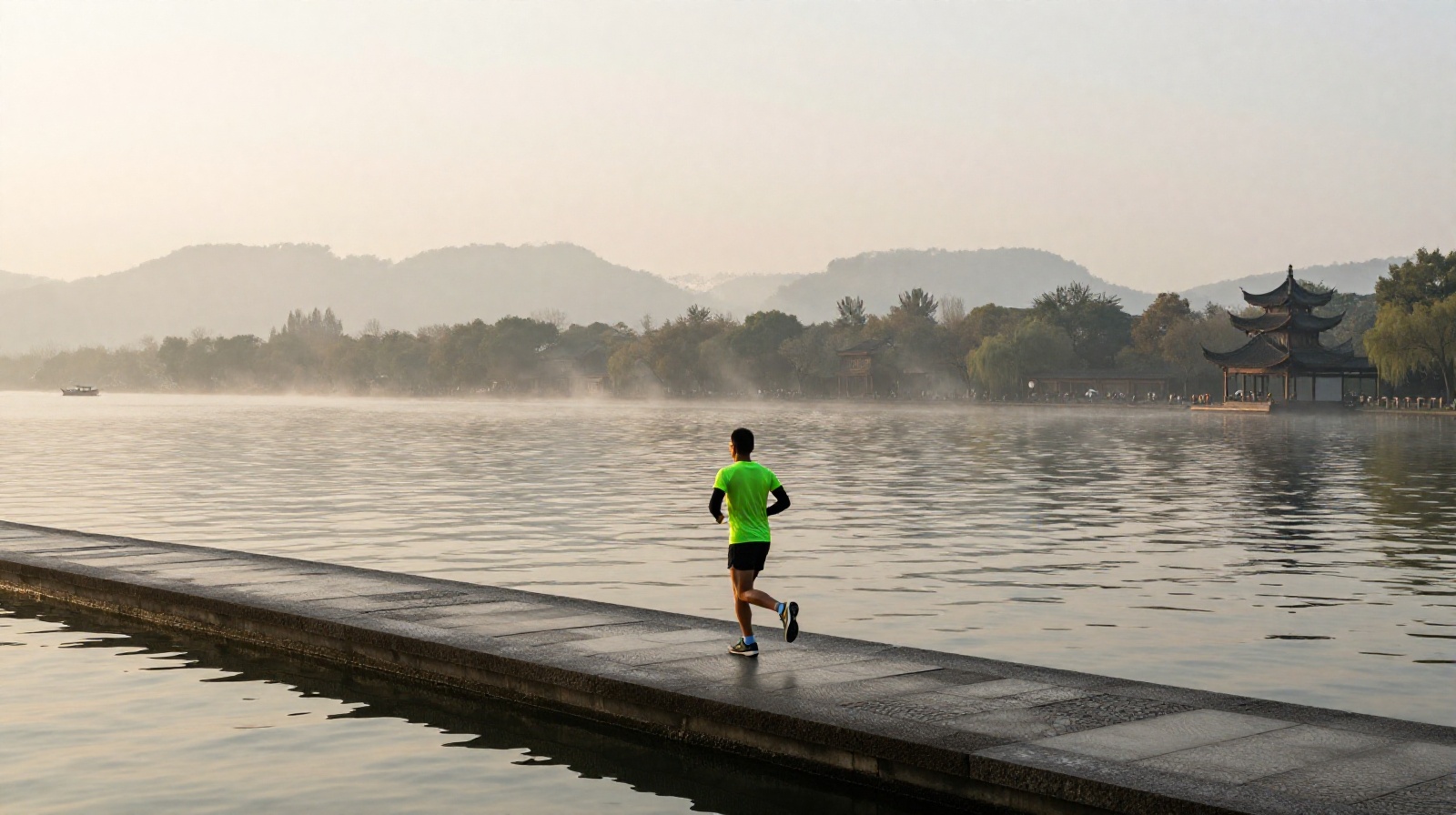
At 6:15 AM, the air over West Lake is cool and misty. It smells faintly of wet earth and tea leaves from the nearby Longjing hills. On the lakefront path, the only sounds are the rhythmic thud of sneakers on pavement and the soft splash of water against stone steps. A man in a neon running vest checks his smartwatch, then speeds up, merging into a stream of hundreds of others. This is not a tourist queue; it is the city’s morning heartbeat.
Most visitors know Hangzhou as the home of Alibaba or the site of the G20 summit. But for the 13 million people who live here, the city’s identity is written in its daily movements. It is a place where ancient stone bridges and hyper-modern tech parks exist on the same street corner.
The Two-Wheeled Commute: Why Electric Bikes Are the Heartbeat of Hangzhou’s Streets
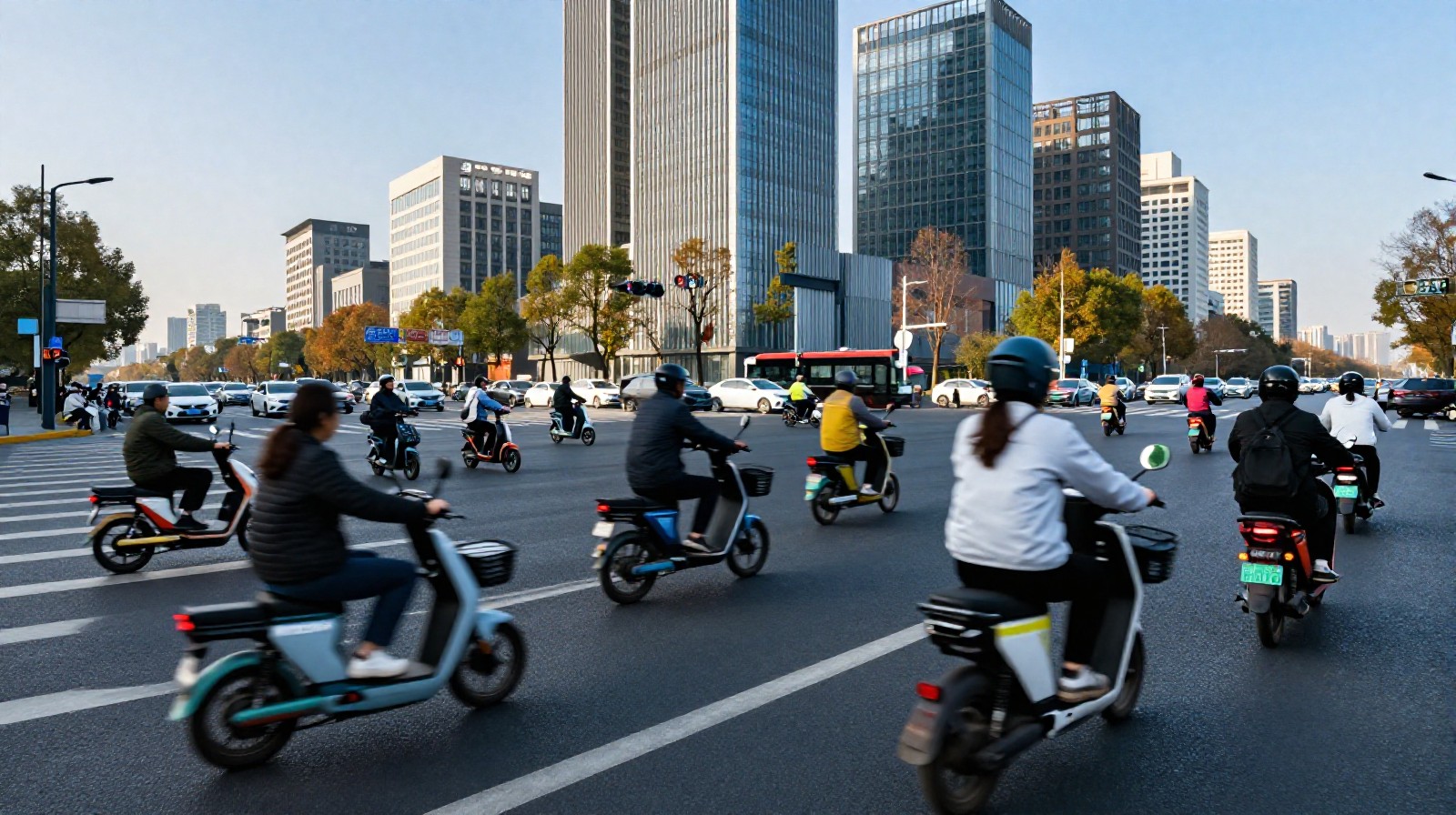
By 8:00 AM, the mist has lifted. The city transforms into a river of two wheels. In many Chinese cities, electric bikes (e-bikes) are ubiquitous, but in Hangzhou, they have evolved into a sophisticated urban tool.
Standing at a crosswalk near the Qianjiang New City district, the scene is chaotic yet orderly. Thousands of riders navigate through dedicated green lanes that run parallel to car traffic. The hum of motors replaces the roar of engines. A young delivery rider in a blue uniform weaves through traffic with practiced ease, his battery-powered scooter carrying boxes of groceries for local families.
Why e-bikes? For many commuters, they are the perfect solution to Hangzhou’s sprawling geography and frequent congestion. They offer speed without the parking headaches of cars, and comfort without the sweat of public bus rides in summer. The city government has invested heavily in infrastructure specifically for them: separate lanes, smart traffic lights that detect bike queues, and even solar-powered charging docks on sidewalks.
From Joggers to Digital Nomads: Changing Habits in Public Spaces
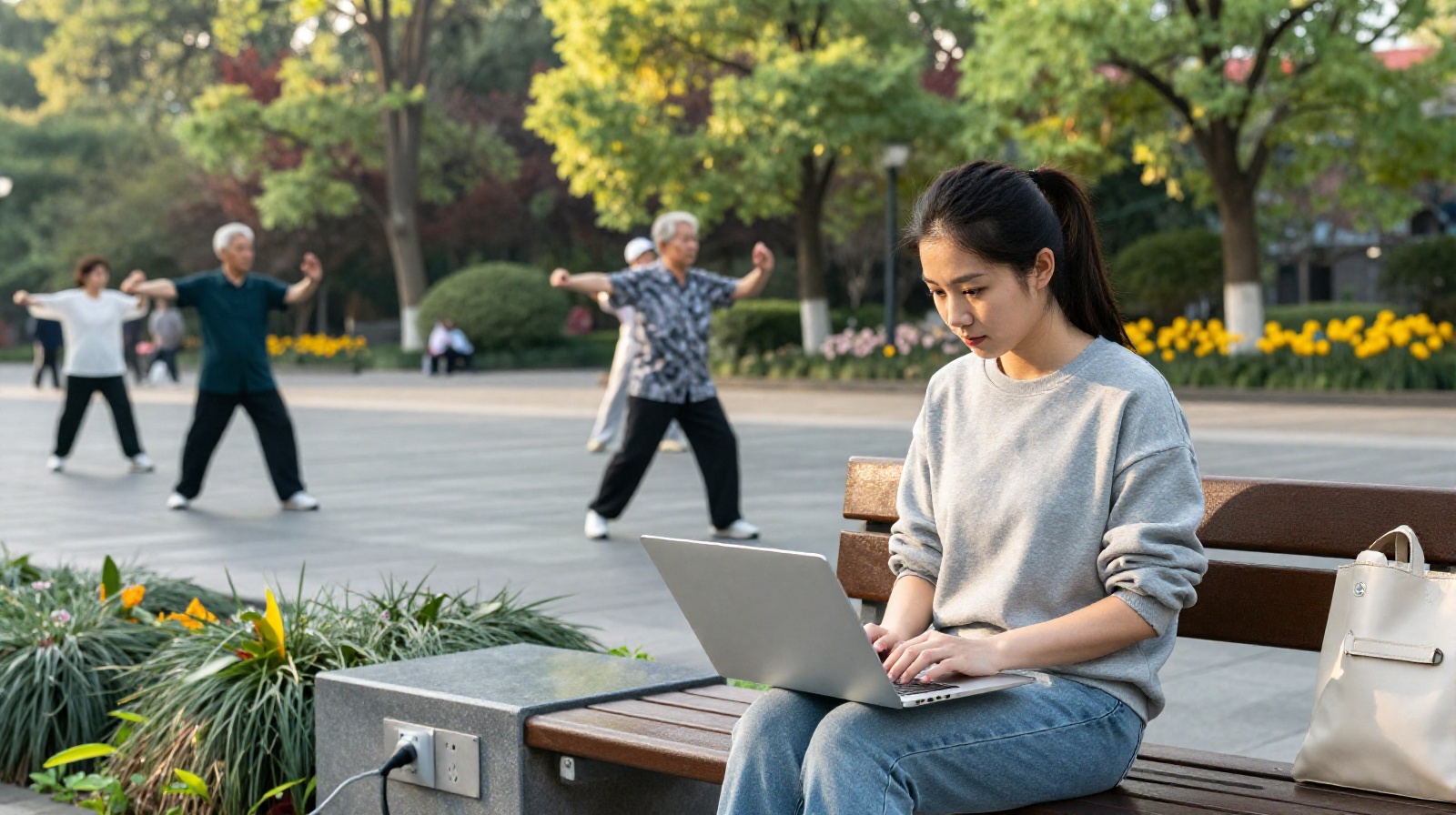
The city’s parks are no longer just places for the elderly. Take the community park near Xixi Wetlands, which opened last year. At 9:00 AM, you will find a mix of demographics that would have been unusual a decade ago.
On one bench, a group of retirees practices tai chi in slow motion. On another, a young woman in business casual attire sits with a laptop, typing furiously while sipping coffee from a nearby vending machine. She is a freelancer, part of the growing ‘digital nomad’ wave that Hangzhou’s city planners have quietly encouraged by adding more power outlets and free Wi-Fi to public benches.
This blending of generations and work styles reflects a shift in how Chinese urbanites view leisure. Work is no longer confined to a cubicle; life is fluid. The boundary between ‘work mode’ and ‘rest mode’ has blurred, creating a vibrant, 24-hour ecosystem that supports both traditional community bonds and modern flexibility.
Tech Behind the Scenes: How Smart Infrastructure Shapes Daily Rhythms
While the e-bikes and joggers provide the visible rhythm, invisible algorithms are orchestrating the flow. In Hangzhou, technology isn’t just a product to be sold; it is the operating system of daily life.
Walk into any convenience store or subway station, and you will likely see no cashiers. Everyone pays with their phone using facial recognition or QR codes. This ‘cashless’ reality extends to public services. Traffic lights here are adaptive; they don’t just count down seconds but adjust in real-time based on the volume of vehicles and pedestrians detected by cameras.
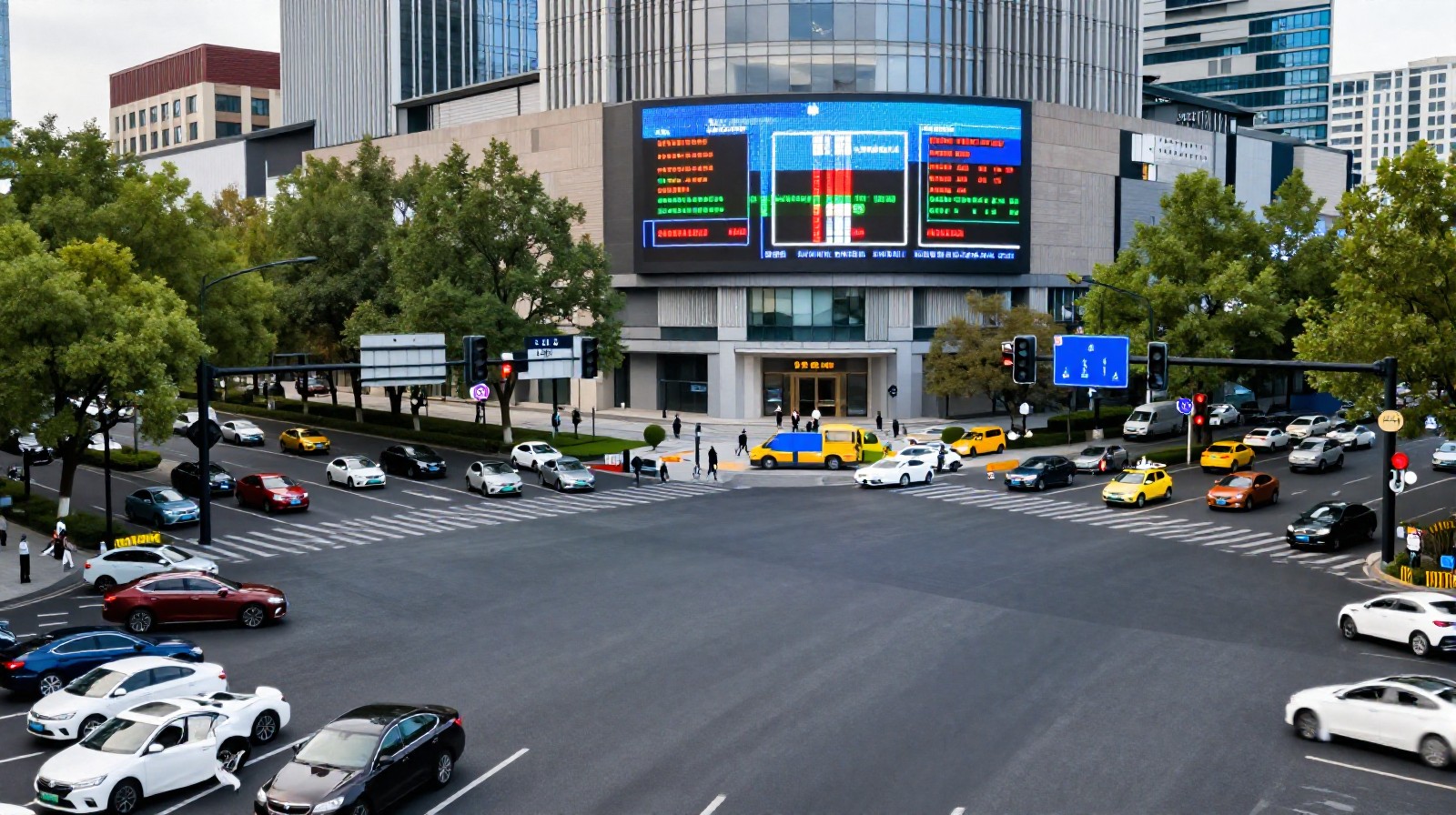
Consider the ‘City Brain,’ a central command system that manages traffic and emergency responses across the district. When an ambulance is stuck in a jam, the City Brain clears the way for it by turning all cross-traffic lights red before the vehicle even arrives. This level of integration makes Hangzhou feel like a single, breathing organism rather than a collection of concrete blocks.
Local Voices: Real Stories from Residents About Work, Life, and Connection
To understand the city, you have to listen to the people living in it. Meet Chen Wei, 34, who works as a software engineer at a startup in the Binjiang district.
‘I used to think working in tech meant long hours and no life,’ Chen says while waiting for his e-bike at a charging station. ‘But here, the commute is fast. I can get home by 6:30 PM. Then I meet my wife and son at the park for dinner.’ For Chen, the city’s efficiency isn’t about grinding harder; it’s about reclaiming time.
Then there is Li Yan, a retired teacher who runs a small tea stall near her apartment. She sees the changes daily. ‘The young people used to be too busy to talk,’ she laughs. ‘Now they are everywhere—working on laptops in the park, riding bikes with music playing. It’s noisy, but it feels alive.’
These stories highlight a unique Hangzhou rhythm: high-speed technology serving a deeply human need for connection, community, and balance.